Rédaction Africa Links 24 with Emmanuel Tornyi
Published on 2024-02-09 09:11:32
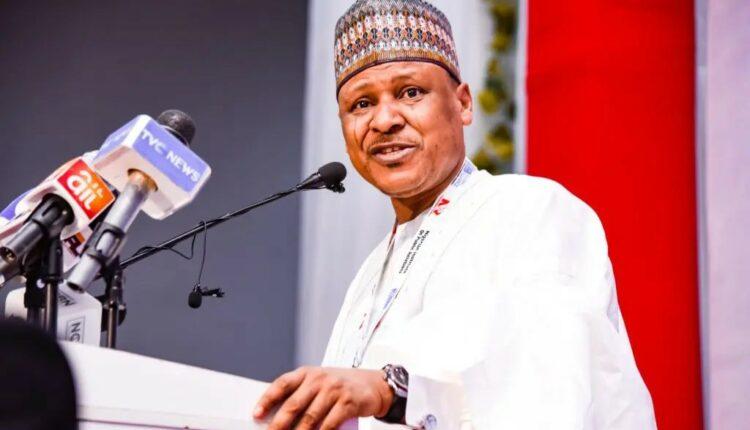
The Deputy Majority Leader in Parliament, Alexander Afenyo-Markin, has spoken out against the idea of imposing custodial sentences on individuals found guilty of participating in LGBTQ+ activities. This comes in response to Parliament’s approval of a bill proposing mandatory prison terms ranging from three to five years for those who promote, sponsor, or support LGBTQ+ activities in Ghana.
During the discussions on this legislation, which aims to promote appropriate human sexual rights and uphold Ghanaian family values, MP Sam Nartey George of Ningo Prampram clarified that public concerns primarily revolve around the advocacy and endorsement of LGBTQ+ agendas rather than the private behavior of individuals.
Afenyo-Markin, speaking on the development, expressed concerns about the state of the country’s prisons and argued that they would not provide the rehabilitation needed for offenders of the act. He emphasized that a custodial sentence would not lead to the rehabilitation of the offender if he is convicted and stated, “If indeed we are promoting Ghanaian family values, then our Ghanaian family values will not entail the consequence of those who breach them being destroyed in society.”
The proposed legislation aims to prohibit LGBTQ+ and associated activities, criminalize the promotion or advocacy for LGBTQ+ activities, and establish measures for the safeguarding and assistance of children and individuals affected by or accused of engaging in LGBTQ+ and related activities.
The controversial LGBT bill has sparked intense debate in Ghana, with proponents arguing for the protection of traditional values, while opponents criticize it as a violation of human rights. Afenyo-Markin’s opposition to custodial sentences for LGBTQ+ activities reflects these ongoing debates and the complexities of public perceptions and legislative responses to issues of sexuality and human rights in Ghana.
The discussions around this bill raise important questions about the intersections of tradition, human rights, and public policy in Ghanaian society. Afenyo-Markin’s concerns about the state of the country’s prisons highlight broader issues of criminal justice and rehabilitation in Ghana. His stance indicates a recognition of the need for more nuanced and effective approaches to addressing LGBTQ+ issues within the context of Ghanaian family values and human rights considerations.
As the bill moves forward, it is likely to continue generating debate and scrutiny from various quarters of Ghanaian society. The complexities and sensitivities surrounding LGBTQ+ issues in Ghana indicate a need for careful consideration and dialogue to navigate the intersection of tradition, rights, and public policy. The opposition to custodial sentences by Afenyo-Markin adds another layer to these discussions, reflecting the multifaceted nature of addressing LGBTQ+ issues within the Ghanaian context.
Read Original article on Pulse News