By Rédaction Africa Links 24 with Mouna Mutavu,Ali Noble Mutijima
Published on 2024-02-11 13:33:02
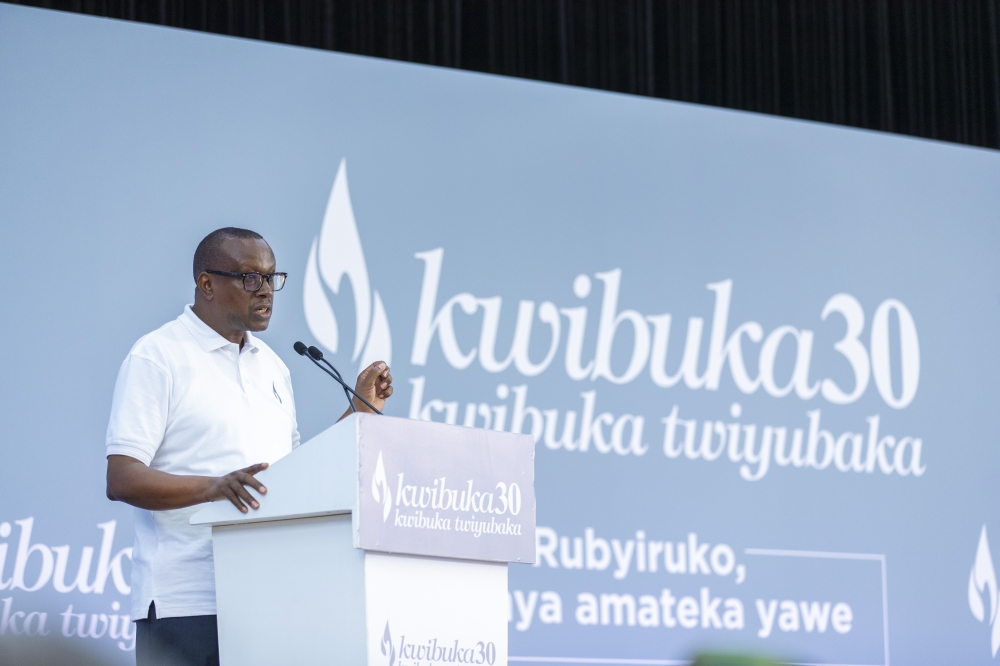
In a recent article, the lingering presence of genocide ideology in Rwanda was discussed, focusing on the ways in which denial and revisionism perpetuate these harmful beliefs. The article highlighted the comments of Jean Damascene Bizimana, the Minister of National Unity and Civic Engagement, who spoke about the ongoing challenges of combating genocide ideology in the country.
Bizimana noted that despite significant progress in addressing the aftermath of the 1994 genocide against the Tutsi, there are still individuals and groups who continue to deny or downplay the severity of the atrocities that occurred. He emphasized that these acts of denial and revisionism are not only damaging to the memory of the victims, but also pose a significant threat to the country’s ongoing efforts for reconciliation and unity.
One of the key points made in the article was the importance of acknowledging the past and confronting the realities of the genocide. By denying or revising the historical facts, individuals are contributing to the perpetuation of genocide ideology, which has the potential to incite further violence and division in the future. Bizimana stressed the need for a collective effort to combat these harmful beliefs, urging both the government and civil society to work together in promoting a culture of remembrance and understanding.
The article also addressed the role of education in addressing genocide ideology, emphasizing the need for comprehensive and accurate education about the history of the genocide. By providing students with a clear understanding of what occurred and the impact it had on the country, educators can help mitigate the influence of denial and revisionism. Similarly, the media was identified as a critical actor in countering these harmful narratives, with calls for responsible reporting and the amplification of voices that promote truth and reconciliation.
Overall, the article highlighted the ongoing challenges of combating genocide ideology in Rwanda, emphasizing the importance of confronting denial and revisionism. By acknowledging the past and working to educate and inform the public, the country can continue its path towards healing and unity. The comments of Minister Bizimana underscored the need for continued efforts in this regard, and the article served as a reminder of the ongoing work that remains in addressing the legacy of the 1994 genocide against the Tutsi.
Read the original article on New Times