Rédaction Africa Links 24 with babucarr balajo
Published on 2024-03-28 10:59:23
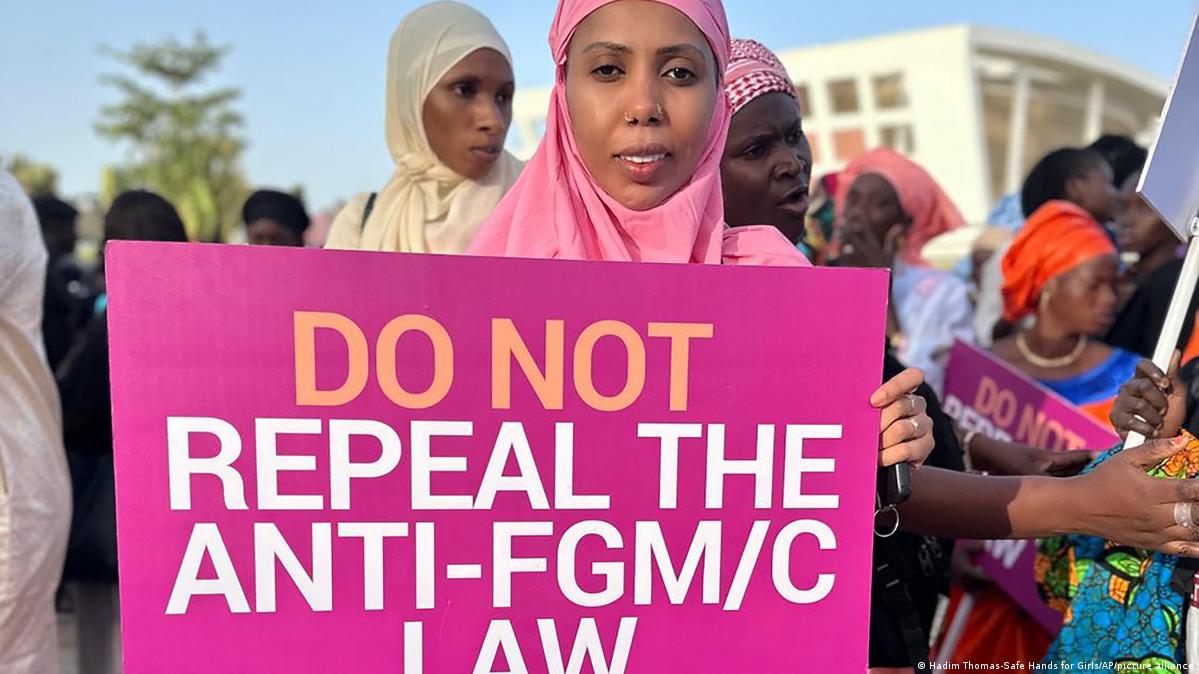
In the fight against female genital mutilation (FGM) in The Gambia, women have played a crucial role for over four decades. These women, coming from different backgrounds and regions of the country, united against the harmful practice of FGM. Some had experienced it firsthand, while others recognized the dangers and wanted to prevent future generations from enduring the same fate.
Despite facing challenges and backlash, these women embarked on a mission to educate and convince their fellow Gambians about the harms of FGM. They conducted research to understand the economic factors driving the practice and worked tirelessly to raise awareness without imposing their views on others. Eventually, their efforts paid off when they gained the support of key decision-makers who implemented laws banning FGM in The Gambia.
However, the victory was short-lived as the imposed ban sparked resentment among those who viewed FGM as a cultural and religious tradition. Men, who had also been aware of the pain and suffering caused by FGM, often reacted with anger and violence, further perpetuating the cycle of abuse against women. The rift between those supporting and opposing the ban led to heated debates, insults, and name-calling, overshadowing the real issue at hand.
The women who had endured FGM shared their stories with a sense of resignation, accepting a pain that would never fully heal. Men, on the other hand, failed to acknowledge their role in perpetuating a system that dictated what was best for women without their input. The women’s voices were often silenced or dismissed, further highlighting the control and power dynamics at play.
The debates and arguments over FGM reflected a deeper struggle for control over women’s bodies, with men dictating what was considered acceptable or taboo. The men’s narrow views of women, constrained by stereotypes and archetypes, limited the discourse to binary extremes, failing to consider the nuanced experiences and perspectives of Gambian women.
Ultimately, the women’s voices, often whispered in secrecy, held the truth that transcended the loud and divisive debates. Their stories of pain, loss, and resilience carried the weight of their lived experiences, offering a perspective that demanded to be heard and understood.
As the author, Amran Gaye, reflects on these narratives, he grapples with the responsibility of sharing these voices with the world. Despite not experiencing FGM himself, he recognizes the importance of amplifying the stories of those who have suffered in silence. Through his writing, he brings attention to the ongoing struggle for women’s rights and autonomy, urging readers to listen to the whispered truths that hold the essence of the FGM debate in The Gambia.
Read the original article on The Standard