Rédaction Africa Links 24 with Alix-Ida Mussavu
Published on 2024-03-10 15:36:49
Participants in the Inclusive National Dialogue of April will be tempted to modify the Transition timeline, which sets the duration of this exceptional period at 2 years. The question is on many minds, especially since one of the main missions of this meeting, scheduled for April 2-30, 2024, is to determine the duration of the Transition.
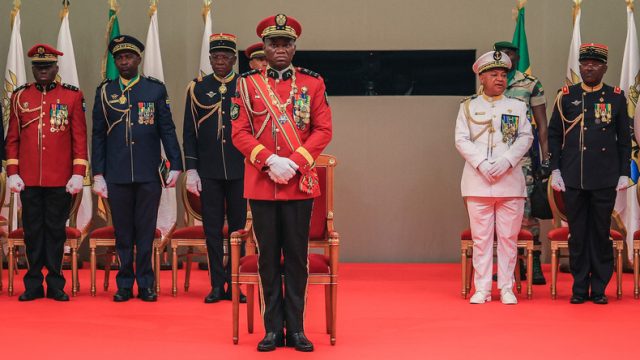
By decree n°0115/PT-PR/MRI of March 8, 2024, the President of the Transition, Brice Clotaire Oligui Nguema, convened the Inclusive National Dialogue from April 2-30. This meeting will have two main missions: to establish the duration of the Transition on the one hand, and on the other hand, to propose the political, economic, and social organization of the nation after the Transition. While the question of the duration of the Transition in the country sparked many conversations before the announcement of the timeline limiting this exceptional period to 2 years, the debate is likely to resurface. Will participants in this Inclusive National Dialogue be tempted to modify the Transition timeline? It is not certain.
The timeline was initially indicative and predicted the end of the Transition in 2025 after the elections. This implies that the general president should hand over power to civilians after this 2-year period, unless he decides to run in the presidential race expected at the end of this Transition period. Indeed, the Transition Charter does not exclude this possibility.
According to well-informed sources, the announcement of the timeline, which limited the end of the Transition to two years, was motivated by pressure from donors and certain partners of Gabon who conditioned the continuation of their partnerships with Gabon on a return to constitutional order.
Many major projects are considered unachievable in 2 years.
The presentation of the timeline and its gradual implementation have helped the country, after the coup d’état that led to this exceptional period, to present itself in a better light. However, the awaited Dialogue will provide a diagnosis as precise as possible of the institutional, social, and economic situation of the nation; propose appropriate guidelines to lead the nation towards true democracy and the rule of law; establish the key principles of state and public power organization; outline measures to ensure social justice; and record the common values that determine the coexistence of the Gabonese people.
At the end of the discussions, the bureau will prepare a report to be submitted to Brice Clotaire Oligui Nguema, who will be responsible for formalizing and executing it in the form of laws and regulations. While the general-president is suspected of wanting to “cling to power after the saving act of August 30, 2023”, and many participants in this meeting are considered to be in his favor, with political parties only allowed one representative per party, and with some viewing the grand projects he envisions as unattainable in two years, all eyes are now on the decision regarding the duration of the Transition. This decision is expected to mark a historic moment for Gabon during this Transition period, and will allow an assessment of the current government’s relationship with power.
Read the original article(French) on Gabon Review