By Africa Links 24
Published on 2024-03-02 17:14:56
The United Nations Economic Commission for Africa, through Deputy Executive Secretary and Chief Economist Hanan Morsy, highlights the continent’s vulnerability to climate change despite not being the primary contributor to it. Morsy pointed out that Africa requires $2.8 trillion to finance its nationally determined contributions towards combating climate change, but only $300 billion has been made available, resulting in a massive $2.5 trillion financing gap. This shortfall in funding exacerbates the vulnerabilities of many African countries already at risk of debt distress.
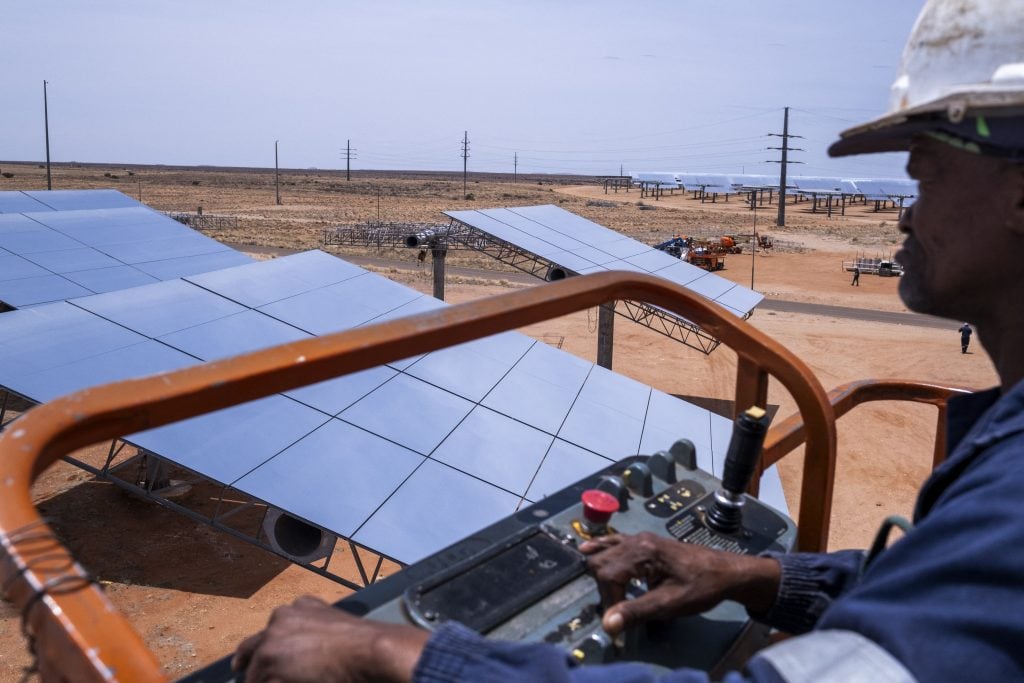
The lack of adequate financing for clean energy technologies in Africa, which currently only receives 2% of global financing, creates a vicious cycle of investment shortfalls that increase exposure to climate change. This, in turn, erodes fiscal space, adds to existing challenges, and raises the cost of financing. African nations are faced with the dilemma of choosing between investing in social services, climate action, and servicing debts.
To tackle these challenges, Morsy emphasizes the need for action at all levels. Countries must increase domestic revenue and attract private sector capital, establish financial frameworks for sustainable development, and utilize green, blue, and sustainability bonds to fund development projects. Additionally, Africa must create agile multi-country frameworks to manage disasters and leverage carbon assets. Investing in green industrialization, particularly in mineral value chains and carbon credit markets, can enhance competitiveness and trade opportunities on the continent.
The battery and electric vehicle value chain in Africa presents a promising opportunity for sustainable job creation, with regional collaboration focusing on establishing value chains and special economic zones to foster innovation and growth in the sector. To effectively address financial challenges, Morsy suggests scaling up concessional finance, strengthening the capacities of multilateral development banks, strategically allocating development funds, and implementing robust debt resolution frameworks.
Morsy highlights Africa’s vast resources as an opportunity to finance the continent’s transition to sustainability. She emphasizes that Africa holds the potential to address a significant portion of global needs, particularly in renewable energy resources. Leveraging these resources and ensuring compensation for addressing climate change issues are essential steps towards a sustainable future for Africa.
In conclusion, addressing the financing gap for climate change adaptation and mitigation in Africa requires a comprehensive approach involving increased domestic revenue, private sector investment, sustainable financial frameworks, and regional collaboration. By harnessing its vast resources and potential, Africa can pave the way for a greener, more resilient future.