By Flinster Austin
Published on 2024-01-18 12:59:45
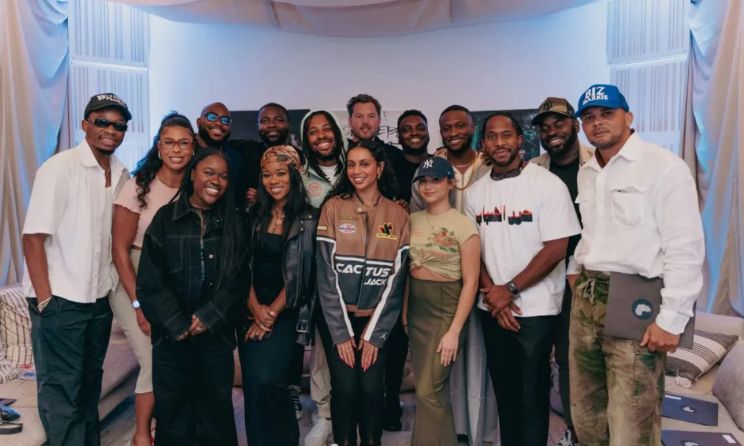
The gathering at Joy Miami Studio brought together music producers, filmmakers, and executives from LVRN, YouTube, Spotify, Beats by Dre, and COLORSxSTUDIOS. Amplify Africa hosted the event as part of its Road to AFRICON round-table conversation, aiming to discuss the challenges facing African artists and how they can achieve global success.
This round table was the first pop-up event hosted by Amplify Africa this year in preparation for its fourth annual AFRICON. This multi-day conference and celebration of African culture, innovation, and entrepreneurship features panel discussions centered on immersive experiences and aims to unite the global black diaspora.
Professional attendees included Amplify Africa’s CEO and co-founder Dami Kujembola, COO and co-founder Timi Adeyeba, Beats by Dre music and culture global brand marketing manager Buku Ibraheem, YouTube program manager of black music and culture Adam McFarland, LVRN president and co-founder Tunde Balogun, COLORSxSTUDIOS CEO Jonas Weber, and others.
Topics discussed during the gathering included how to harness the cultural power of African music to achieve international breakthroughs and brand partnerships. The round table also explored the slow recognition of Afrobeats and the gradual acceptance of hip hop in America.
Balogun emphasized the need for patience while pushing forward to achieve international success, highlighting the necessity of being willing to take risks and break new ground in the music industry.
A recently released report by Luminate revealed that African music has been steadily making inroads in the US market, with artists like Burna Boy, Wizkid, Davido, Rema, and Tyla achieving significant success. The Recording Academy will also introduce an award for Best African Music Performance at the Grammys, signaling the increasing recognition of African music on the global stage.
However, the round table emphasized that while genres like Afrobeats and amapiano have been gaining traction outside of Africa, there is still much work to be done to fully integrate these sounds into the global mainstream market.