Rédaction Africa Links 24 with Rosemary Mirondo
Published on 2024-03-04 09:37:16
Tanzania is currently grappling with a cholera epidemic that has affected over 4 million people across 13 regions since early January 2024. With more than 1,500 reported cases and 34 fatalities, the situation is dire. In response to this crisis, the European Union has stepped in to provide €150,000 (approximately Sh414 million) in humanitarian aid funding to support the country in containing the outbreak.
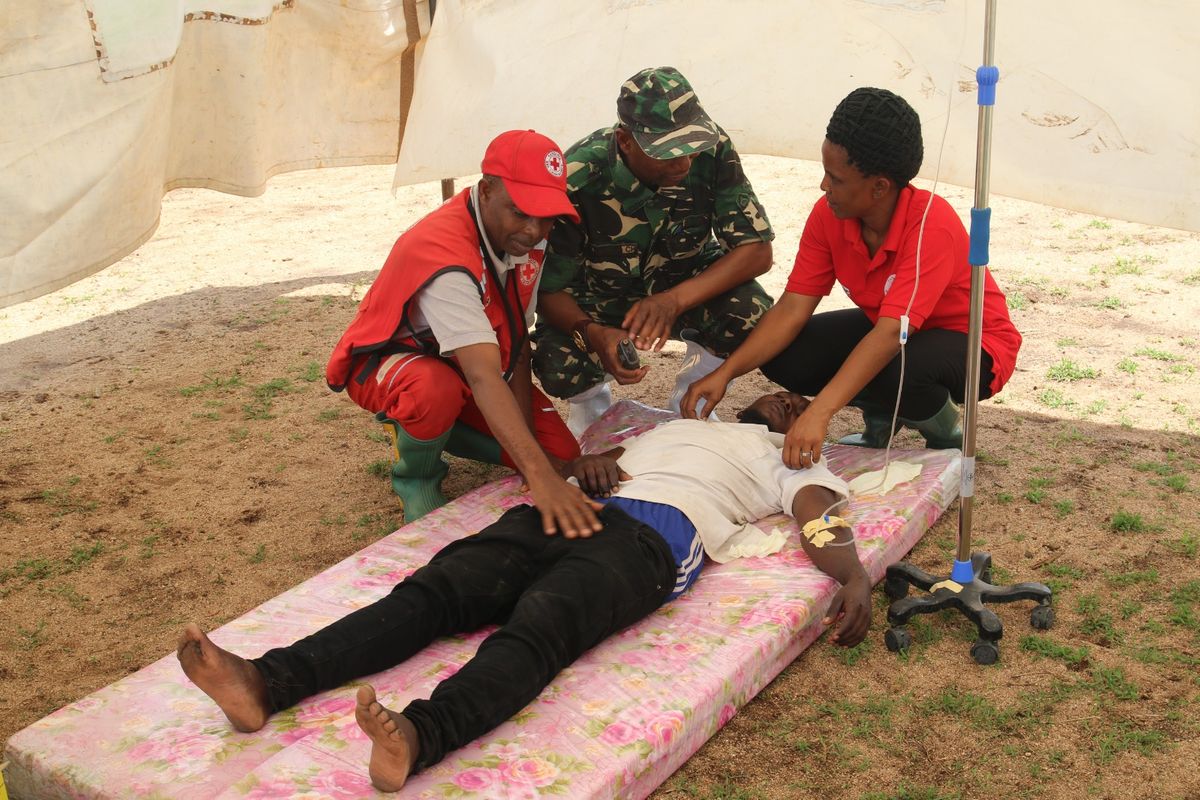
The funding from the EU aims to assist Tanzania in addressing the cholera epidemic and providing relief to those affected. The support will be channeled through the Tanzanian Red Cross Society (TRCS) to deliver essential services such as clean water, healthcare, sanitation, and hygiene. This assistance is crucial in preventing the further spread of the disease and mitigating its impact on the population.
The project funded by the EU will run for three months, until the end of May 2024, and is expected to reach 178,000 people in the hardest-hit areas of Kagera, Mwanza, and Shinyanga regions. This targeted approach will help address the immediate needs of those most affected by the outbreak and provide them with the necessary support to recover and rebuild their lives.
The EU’s funding is part of its broader contribution to the Disaster Relief Emergency Fund (DREF) of the International Federation of Red Cross and Red Crescent Societies (IFRC). By supporting these initiatives, the EU is demonstrating its commitment to assisting countries in times of crisis and providing humanitarian aid to those in need.
The cholera outbreak in Tanzania is the most severe the country has experienced in almost forty years. Factors such as heavy rainfall from the El Niño weather phenomenon have worsened the situation, putting a strain on wastewater systems and infrastructure, especially in densely populated areas. Urgent action is needed to repair infrastructure, improve water management, and promote changes in hygiene practices to prevent the further spread of the disease.
If these measures are not taken promptly, Tanzania risks facing a prolonged epidemic with the potential to spread to neighboring countries such as Kenya, Uganda, Rwanda, and Burundi through major transportation hubs. The EU’s support is critical in addressing these challenges and preventing the escalation of the outbreak into a regional health crisis.
In conclusion, the EU’s funding will play a vital role in supporting Tanzania’s efforts to contain the cholera epidemic and provide relief to those affected. By working together with local organizations and authorities, the EU aims to mitigate the impact of the outbreak and ensure the well-being of the affected populations. This demonstrates the EU’s commitment to humanitarian aid and solidarity with countries facing crises such as the cholera outbreak in Tanzania.
Read the original article on The Citizen