Rédaction Africa Links 24 with Addis Standard2
Published on 2024-02-24 06:22:20
After conducting an in-depth investigation, Reuters has uncovered troubling actions carried out by a hidden security apparatus aimed at stifling dissent within Oromia, Ethiopia’s largest and most populous region. The focus of the report revolves around an entity known as the “Koree Nageenyaa,” or Security Committee, established after Prime Minister Abiy Ahmed came into power in 2018 to quell anti-government protests and unrest in Oromia, where armed groups are active.
Led by Shimelis Abdisa, the president of Oromia Regional State, the Committee consists of senior security and civilian officials. Through interviews with over 30 current and former Ethiopian officials and a review of relevant documents, the report reveals a systematic crackdown campaign by the Committee against government protesters and suspected sympathizers of the Oromo Liberation Army (OLA), also known as “Shene.”
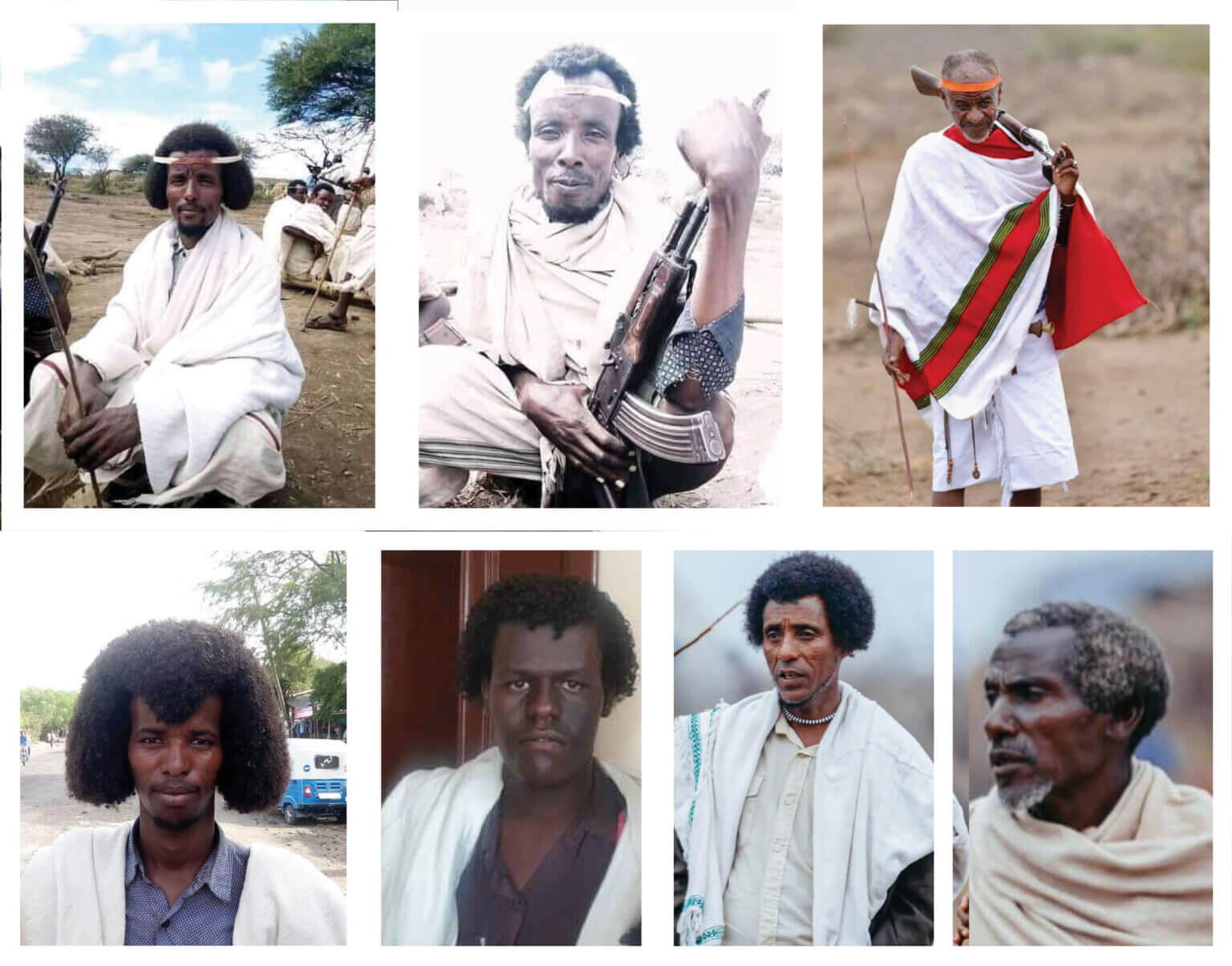
The investigative report details numerous extrajudicial killings orchestrated by the Committee, as well as hundreds of warrantless detentions of individuals deemed security threats. One notable incident highlighted in the report is the massacre of 14 elders from the Karayyuu tribe in 2021, initially blamed on OLA fighters by the government. However, evidence uncovered in the investigation suggests that the Committee authorized security forces to carry out the slaughter.
The killings of the Karrayyu Gadaa leaders in the East Showa Zone of Oromia, including Abba Gadaa and Kadir Hawas Boru, have been extensively covered by Addis Standard, with reports indicating government involvement in the attacks. The Oromia regional government attributed the actions to the OLA, a claim partially supported by the Ethiopian Human Rights Commission (EHRC), which labeled the killings as “extrajudicial” by security forces.
Reuters’ investigation delves into the decision-making process leading to the direct shooting of the 16 Gadaa leaders. The report also sheds light on the Committee’s interference in the justice system, resulting in prolonged detentions without cause and accounts of torture methods used on detainees, such as electrocution, suspension, and beatings. Judges and lawyers opposing such interference have reportedly faced violent reprisals and intimidation.
The EHRC corroborated the existence of the Committee and documented extrajudicial killings, arbitrary detentions, and torture associated with it. EHRC’s chief commissioner, Daniel Bekele, acknowledged the Committee’s initial purpose to address security challenges in Oromia but criticized its overreach into the justice system, leading to widespread human rights violations.
Despite repeated requests for comment from the Oromia regional government, they have yet to respond to Reuters’ inquiries regarding the Committee and the allegations against it. While Reuters acknowledges its inability to independently verify all allegations, it underscores clear patterns of abuse in the report. As of now, there has been no official response from the Oromia regional government to the investigative findings.
Read the original article on Addis Standard