Rédaction Africa Links 24 with Addis Standard2
Published on 2024-02-21 12:32:28
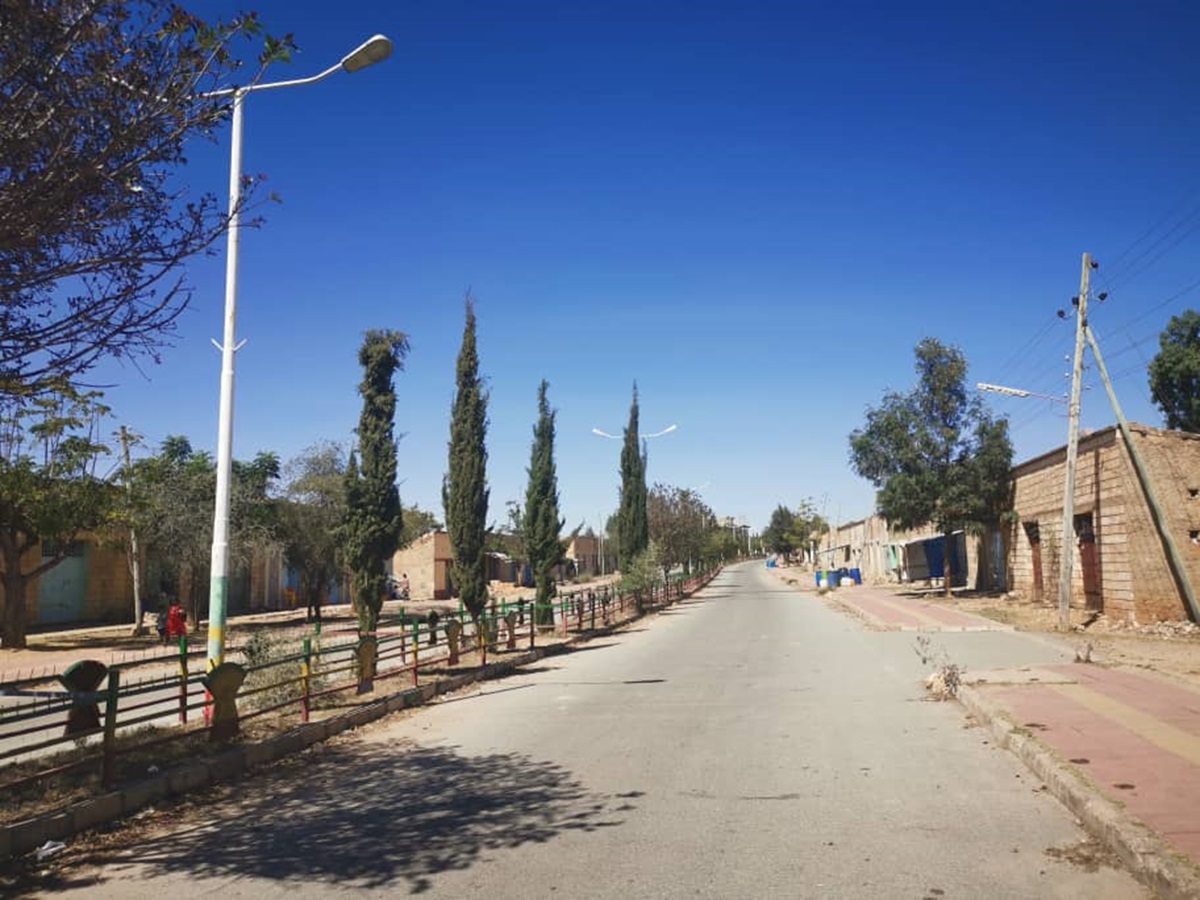
The town of Zalambessa, located in the Eastern Zone of the Tigray region, has been suffering from a severe lack of basic public services, such as electricity, water, health, and education facilities, for over a year since the signing of the Pretoria Cessation of Hostilities Agreement (CoHA) in November 2022.
Despite the urgent need for the rehabilitation of crucial infrastructure, the town has continued to endure neglect and a pronounced scarcity of fundamental amenities. In an interview with Addis Standard, residents expressed their enduring significant societal challenges attributed to the lack of basic infrastructure and feeling marginalized by the broader community. They emphasized the imperative for the interim administration of Tigray and the federal government to address their immediate difficulties.
One resident, who preferred to remain anonymous, articulated the prevailing sentiment of neglect: “We are experiencing a profound sense of neglect as, since the implementation of the Pretoria deal, there has been a notable absence of progress in critical infrastructure development. The impact is acutely felt in our community, with children being deprived of educational opportunities, thereby compromising the well-being and prospects of an entire generation.”
The lack of electricity and telephone network service, as well as the absence of banking facilities in the Zalambessa area, have compounded the difficulties confronting the residents. The damage inflicted upon electric poles along a 12-kilometer stretch originating from the neighboring Fatsi town has further exacerbated the town’s primary issue of electricity scarcity.
Girmay Gidey, head of public relations at Tigray Region Electricity Utility, stated that electric service is currently unavailable in Zalambessa and several surrounding districts, including Duhan, the capital of Irob town, and other areas are still controlled by Eritrean forces. He highlighted the significant challenges encountered by the damaged electric infrastructure during the war, emphasizing the urgent necessity for extensive maintenance.
“Nearly all electric infrastructure endured significant damage during the war, necessitating thorough maintenance,” he remarked. “However, the execution of this maintenance relies on safety measures and suitable road infrastructure for transporting machinery. Regrettably, the absence of security has impeded our ability to carry out the required maintenance.”
Girmay further stressed the critical importance of establishing a secure environment for maintenance crews to conduct their tasks, highlighting the pivotal role of safety protocols and accessible roadways in the restoration and upkeep of electricity services in war-affected regions.
According to residents’ accounts, the governance of the town falls under the jurisdiction of the Ethiopian National Defense Force (ENDF). However, the entry and exit checkpoints regulating access to Zalambessa are under the occupation of Eritrean forces.
Moreover, recent visitors to the town engaged in humanitarian aid efforts provided additional insights into the prevailing circumstances in Zalambessa. Public transportation options connecting Adigrat city and Fasti town to Zalambessa, such as Bajaj and motorcycle services, are available. However, transportation services are limited beyond 6 p.m.
Eritrea’s invasion of Ethiopia’s Tigray regional state and its role in the war has been marked with reports of extreme atrocities, which both Ethiopia and Eritrea initially denied as a “complete lie.” However, in May 2021, Ethiopia admitted the involvement of Eritrean troops in atrocities against civilians, confirming several reports by media and human rights organizations.
The ongoing situation in Zalambessa highlights the critical need for the rehabilitation of basic infrastructure and the provision of public services to address the immediate difficulties faced by the residents. It also underscores the importance of establishing a secure environment for maintenance crews to restore and upkeep electricity services in war-affected regions. Efforts must be made to ensure the well-being and prospects of the entire community, especially the children who have been deprived of educational opportunities due to the neglect of essential amenities.
Read the original article on Addis Standard