Rédaction Africa Links 24 with Addis Standard
Published on 2024-03-06 08:30:20
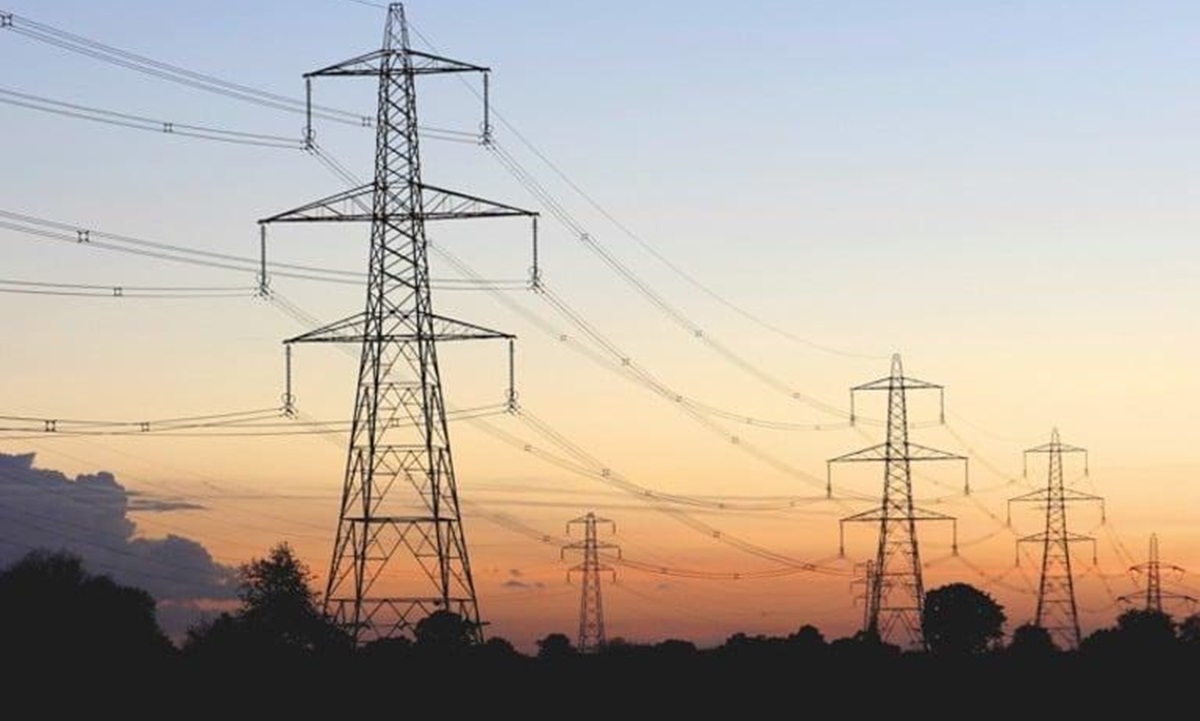
Recently, the Police in the Amhara region of Ethiopia reported that extremist groups had targeted a 230 KV high power transmission line, leading to power outages in several parts of the region. The transmission line, which runs from Bahir Dar to Debretabor, Nefas Mawcha, Gashena, and Alamata, was struck by a weapon near Nefas Mawcha, causing disruptions in the supply of electricity.
According to a statement issued by the police, one phase of the transmission line was damaged on March 5, 2024, leading to widespread power outages. The Ethiopian Electric Power (EEP) confirmed that the disruption affected multiple cities and towns across Afar, Amhara, and Tigray regions after the transmission lines were cut off.
In a tweet, Ethiopian Electric Power acknowledged the disruptions and stated that their technicians were working to restore the power supply. However, they did not provide specific details on what caused the transmission lines to break. The communities affected by the outages were urged to be patient as the restoration efforts were underway.
The regional police accused the Fano armed group of targeting the power transmission lines as part of a broader strategy to incite conflict and destabilize the region. They also accused the group of disrupting the distribution of soil fertilizers in the area. This incident occurred against the backdrop of escalating hostilities in the region, including intense fighting in Bahir Dar, particularly in areas known as “Abay Mado” and “Kebele 14,” where heavy weaponry was reportedly used.
The targeting of critical infrastructure like power transmission lines not only causes inconvenience to the local population but also poses a threat to public safety and stability. The disruption of electricity supply can have a cascading effect on essential services, businesses, and daily activities, further exacerbating the challenges faced by the community.
As efforts are made to restore the power supply and address the damage caused by the attacks, it is essential for all stakeholders to work together to ensure the security of crucial infrastructure and prevent similar incidents in the future. By promoting peace, dialogue, and cooperation, the region can overcome the current challenges and build a more resilient and sustainable future for all its inhabitants.
Read the original article on Addis Standard