Rédaction Africa Links 24 with Addis Standard2
Published on 2024-04-11 12:05:02
A group of 17 partner countries, including the United Kingdom, European Union, Australia, Belgium, Canada, Denmark, Finland, France, Germany, Ireland, Italy, Luxembourg, the Netherlands, New Zealand, Norway, Sweden, and the United States of America, have released a joint position paper urging the Ethiopian government to prioritize public funding for the most pressing emergency needs in the country in preparation for the upcoming high-level pledging event for the humanitarian crisis in Ethiopia.
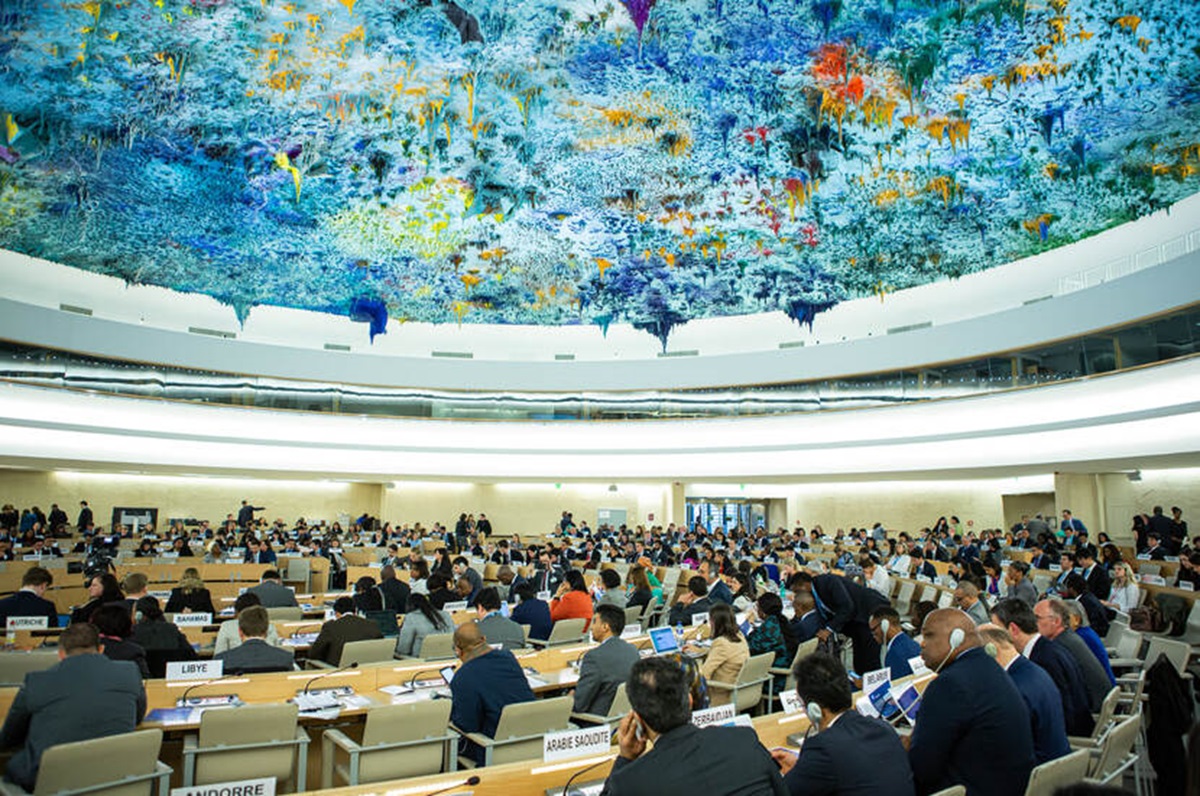
The event is scheduled to take place on 16 April, 2024, in Geneva and will be co-hosted by the government of Ethiopia, the United Nations Office for the Coordination of Humanitarian Affairs (UNOCHA), and the government of the United Kingdom. The main goal of the event is to raise $1 billion to support the United Nations’ prioritized humanitarian plan for the East African nation.
The partner countries’ position paper reflects their collective view on the current humanitarian situation in Ethiopia and recognizes the vital role of the Ethiopian government as the primary responder to the humanitarian crisis. They are committed to mobilizing resources to assist and protect the most vulnerable populations in the affected areas of the country.
In their joint position paper, the partner countries call on the Ethiopian government to prioritize public funding for emergency needs, increase pro-poor policies, and provide regular reports on their assistance to ensure transparency and accountability in resource allocation and distribution. They also advocate for a scale-up of development funding and improved coordination with humanitarian organizations to enhance the impact of their actions and promote durable solutions.
Additionally, the partner countries emphasize the importance of preventing aid diversion and ensuring that assistance reaches the most vulnerable, including internally displaced people (IDPs). They urge the Ethiopian government to remove bureaucratic obstacles for humanitarian actors, such as simplifying the process for tax exemptions on humanitarian goods and expediting approvals for visas, work permits, and Memorandums of Understanding for humanitarian NGOs.
Furthermore, the partner countries stress the importance of ensuring the safety and protection of civilian populations, including aid workers, respecting international humanitarian law, and continuing efforts towards peace throughout the country.
The position paper also calls on international humanitarian partners to enhance needs-based prioritization and targeting mechanisms, implement recommendations from recent UN peer-to-peer review missions, and establish a comprehensive humanitarian information management system to facilitate better donor funding decisions and ensure accurate prioritization.
The joint efforts of these partner countries demonstrate a strong commitment to addressing the humanitarian crisis in Ethiopia and providing support to the most vulnerable populations in the country. Through their collective actions and advocacy, they aim to make a significant impact on the lives of those affected by the crisis.
Read the original article on Addis Standard