Rédaction Africa Links 24 with Addis Standard2
Published on 2024-04-13 08:24:56
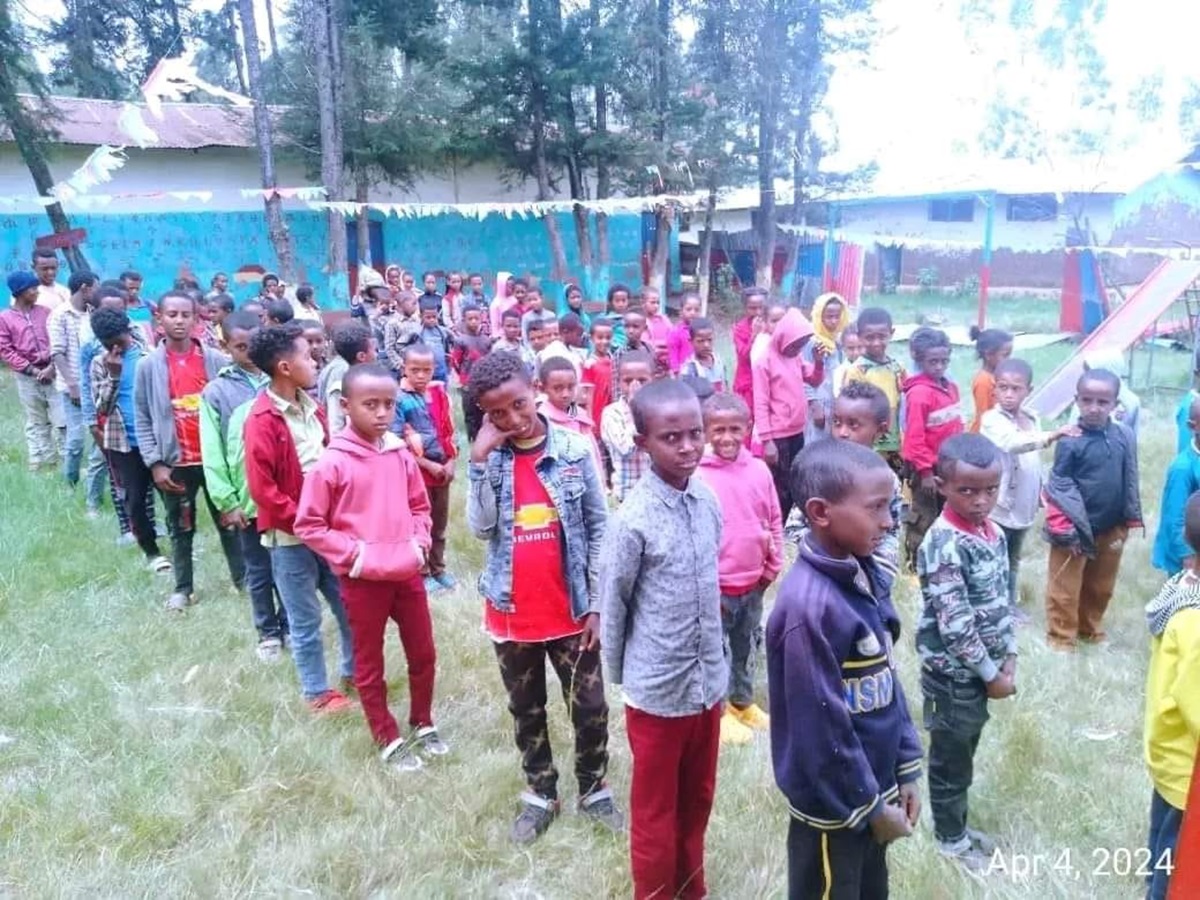
In the Amhara region of Ethiopia, a prolonged conflict has disrupted the education of more than 500,000 students in the East Gojjam Zone. After over six months of school closures due to security issues in the area, 33 primary and five secondary schools in 10 districts and municipalities have finally reopened for students.
The Amhara Education Bureau worked with parents, teachers, and students to resume teaching and learning activities in these schools. This effort follows the reopening of 17 primary and two secondary schools in the East Gojam Zone two weeks earlier, thanks to a campaign to facilitate the process.
Despite this progress, most of the recently reopened schools are located in urban areas. The Bureau is now focusing on enabling the resumption of education in rural schools as well. Cities like Dejan and Debre Markos, the administrative center of the East Gojjam Zone, have been significantly impacted by the ongoing conflict between the federal government and the non-state militia Fano.
For months, students in the region have been unable to access schooling, with more than half a million affected in the East Gojam Zone alone. The chief administrator of the zone highlighted the dire situation, stating that the conflict has prevented over 500,000 students from attending school.
As of early October 2023, the conflict has prevented approximately 3.9 million primary and secondary students out of six million eligible children from receiving an education in the Amhara region. However, recent reports indicate a slight improvement, with 60% of primary school students and 55% of secondary school students now able to participate in classes across the region.
Efforts are ongoing to address the education crisis caused by the conflict, and authorities are optimistic about the gradual return to normalcy in the education sector. Despite the challenges, the resilience and determination of students, teachers, and parents in the East Gojjam Zone are evident as they work together to ensure that all children have access to quality education.
In conclusion, while the conflict in the Amhara region has disrupted the education of hundreds of thousands of students, there are signs of hope as schools gradually reopen and students return to the classroom. The collaborative efforts of stakeholders and the perseverance of the community are crucial in overcoming the challenges and ensuring that every child has the opportunity to learn and thrive.
Read the original article on Addis Standard


