Rédaction Africa Links 24 with Addis Standard2
Published on 2024-02-20 13:03:42
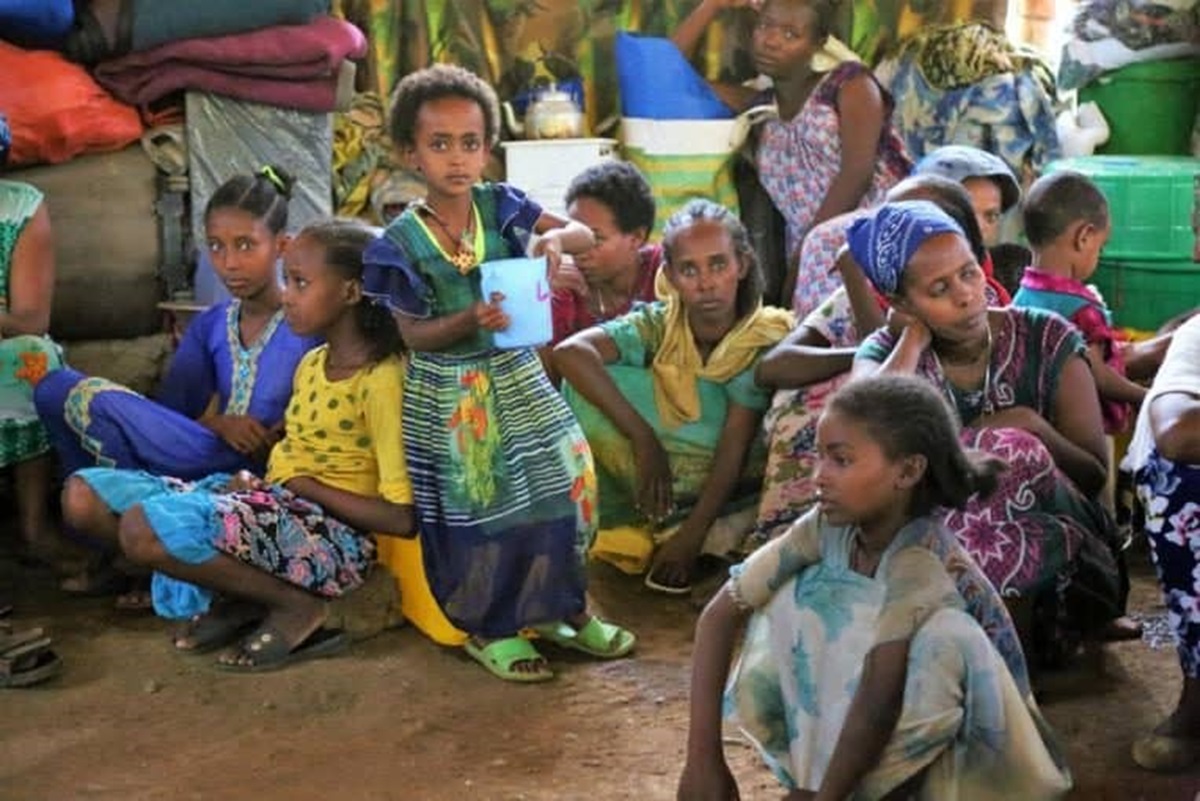
Over 250,000 children in the Amhara region are facing emergency food shortages due to drought, as reported by the Amhara Public Health Institute. This has affected 43 districts and displaced over 9,000 people who are in need of essential resources such as food and water. Among the vulnerable groups, children under the age of five and pregnant women are at a higher risk of suffering from food scarcity and inadequate health services.
The report also highlights that only 53% of children and pregnant women have received necessary medical care and therapeutic feeding, leaving a large percentage without the essential aid. Additionally, over 230,300 children are showing symptoms of moderate malnutrition, but only 15% have received assistance. Similarly, out of 130,000 moderately malnourished mothers, only 11% have received aid, indicating a critical gap in meeting the needs of these vulnerable populations.
In addition to the impact of the persistent drought, diseases such as measles, mumps, and cholera are spreading in the districts of Amhara, further exacerbating the humanitarian crisis. Given the inadequacy of the government’s existing aid to address the situation, the Amhara Public Health Institute is appealing for additional support from humanitarian organizations and communities to tackle the extensive scope of the crisis. The dire situation calls for immediate action to provide relief to vulnerable groups, especially children and mothers.
The United Nations International Children’s Emergency Fund (UNICEF) has also highlighted the urgent need for humanitarian assistance in Ethiopia in relation to the impact of drought, conflict, and disease epidemics on children. In 2024, UNICEF reported that 10.8 million children throughout Ethiopia are in urgent need of aid. The agency has emphasized the critical importance of international response to address the dire consequences faced by children as a result of these compounding crises.
UNICEF estimates that $535 million is required to address the pressing needs of vulnerable children in 2024, including basic nutrition, healthcare, vaccinations, and access to clean water. This reinforces the urgency of the situation and the need for significant resources to provide adequate relief and support to those affected by the humanitarian crisis.
Overall, the reports from the Amhara Public Health Institute and UNICEF underscore the severity of the situation in the Amhara region and across Ethiopia, calling for immediate and substantial international response and support to address the humanitarian crisis affecting vulnerable populations, especially children and mothers.
Read the original article on Addis Standard