Rédaction Africa Links 24 with Addis Standard2
Published on 2024-03-23 05:43:30
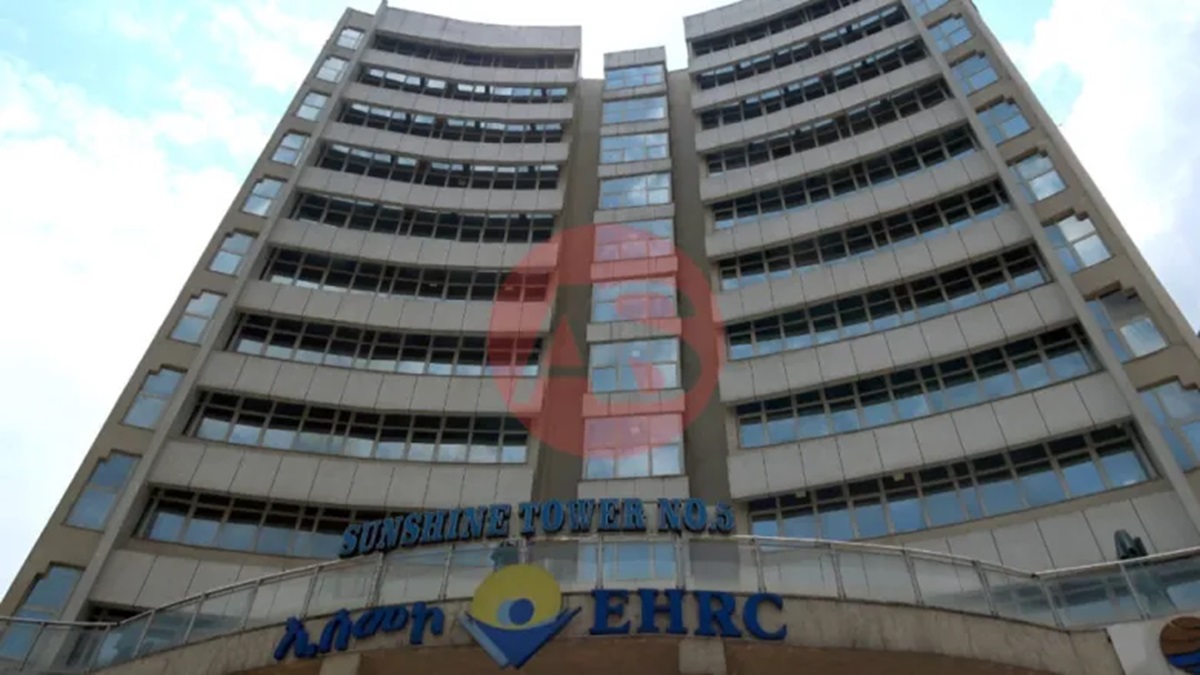
The Ethiopian Human Rights Commission (EHRC) recently published a comprehensive 130-page National Inquiry report that sheds light on systemic violations of the rights of individuals deprived of liberty in several regions of Ethiopia. This groundbreaking report, the first of its kind in the country, exposes a pattern of abuses including arbitrary detentions, incarcerations without court orders, violations of bail rights, and instances of sexual violence.
The report identifies these violations as systemic, affecting a significant portion of the population, with perpetrators ranging from militias and kebele administrators to police officers, members of special police units, National Defense Forces personnel, prison staff, and government officials. The regions covered in the report include Amhara, Oromia, Somali, and the region previously known as the Southern Nations, Nationalities, and Peoples’ Region (SNNPR).
In Amhara, factors contributing to human rights violations include the two-year war initially focused on the Tigray region and later expanding to include the Amhara and Afar regions. Post-2018 political changes, power struggles, post-conflict instabilities, religious and identity tensions, administrative boundary disputes, and political assassinations are also cited as contributing factors. The report highlights ongoing violent conflicts in Oromia, where non-state armed groups organized along ethnic lines target civilians, leading to casualties, injuries, abductions, looting, property destruction, and displacement.
One specific event highlighted in the report is the unrest following the assassination of Oromo musician Hachalu Hundessa, which resulted in widespread human rights abuses. In the Somali region, conflicts driven by power struggles and competition over natural resources with neighboring communities from the Afar and Oromia regions are prevalent. Past conflicts in areas like Adaytu, Undufo, and Gedamaytu have resulted in fatalities, injuries, displacements, and property destruction.
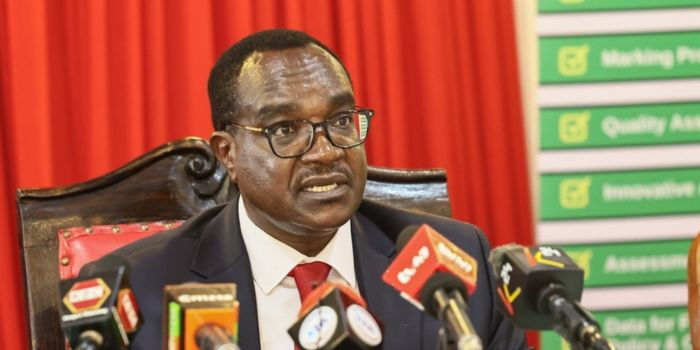
Of particular concern to the EHRC is the conflict in Gedamaytu on July 24, 2021, which led to loss of life, civilian casualties, internal displacement, and property damage. Daniel Bekele, Chief of the Commission, stressed the urgent need for systemic reforms to protect the rights and dignity of all individuals in Ethiopia. He emphasized the importance of investigating human rights violations, addressing their root causes, holding perpetrators accountable, and providing compensation to victims.
In conclusion, the EHRC’s National Inquiry report serves as a critical tool for shedding light on the systemic rights violations against individuals deprived of liberty in Ethiopia. It calls for immediate action to address these abuses, ensure accountability, and protect the rights and dignity of all individuals across the country.
Read the original article on Addis Standard