By Africa Links 24
Published on 2024-02-28 11:42:31
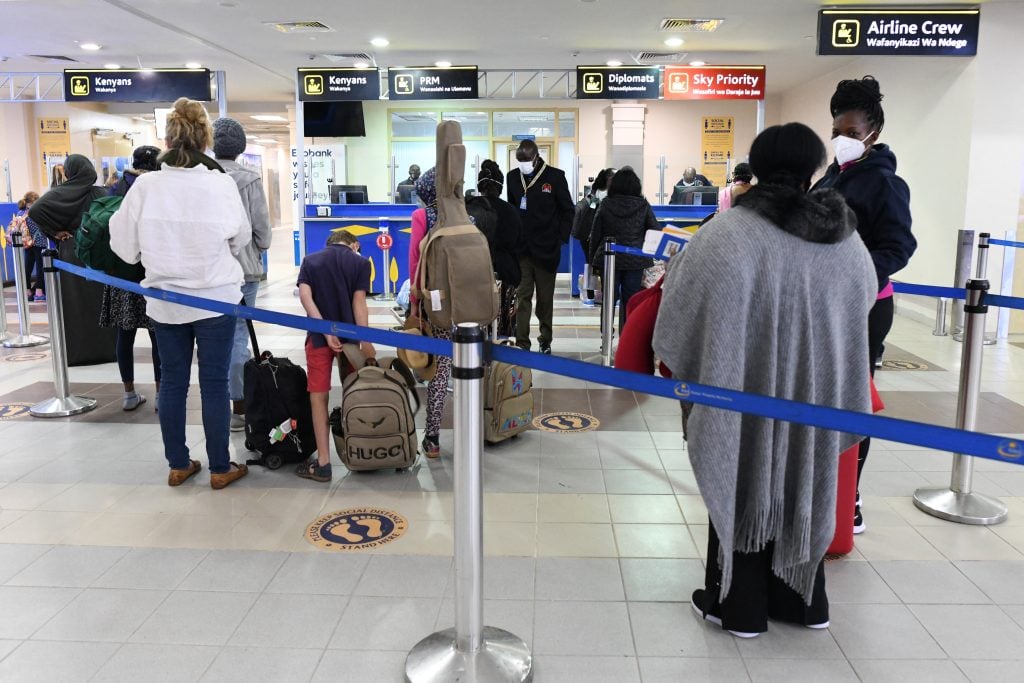
The 6th United Nations Environment Assembly is currently underway in Nairobi, Kenya, from 26 February to 1 March. This assembly marks the first major United Nations gathering since the COP28 climate conference in Dubai last December. At COP28, 195 countries agreed to transition away from fossil fuels and established the Loss and Damage Fund to compensate developing countries for the effects of climate change.
The focus of UNEA-6 is to connect climate action with other environmental priorities by emphasizing effective, inclusive, and sustainable multilateral actions to address climate change, biodiversity loss, and pollution. In developing countries, various factors such as increasing pressures on public finances, debt sustainability constraints, and perceived riskiness hinder green investments. Risks range from political instability and weak policies to high capital costs and interest rates.
Africa, in particular, only receives 3% of global climate finance flows according to the African Development Bank. With limited public funding available, the role of public-private partnerships is crucial in mobilizing climate finance on a larger scale. Multilateral Development Banks, such as the European Investment Bank (EIB), work across different markets with innovative solutions to de-risk and attract private capital for green projects.
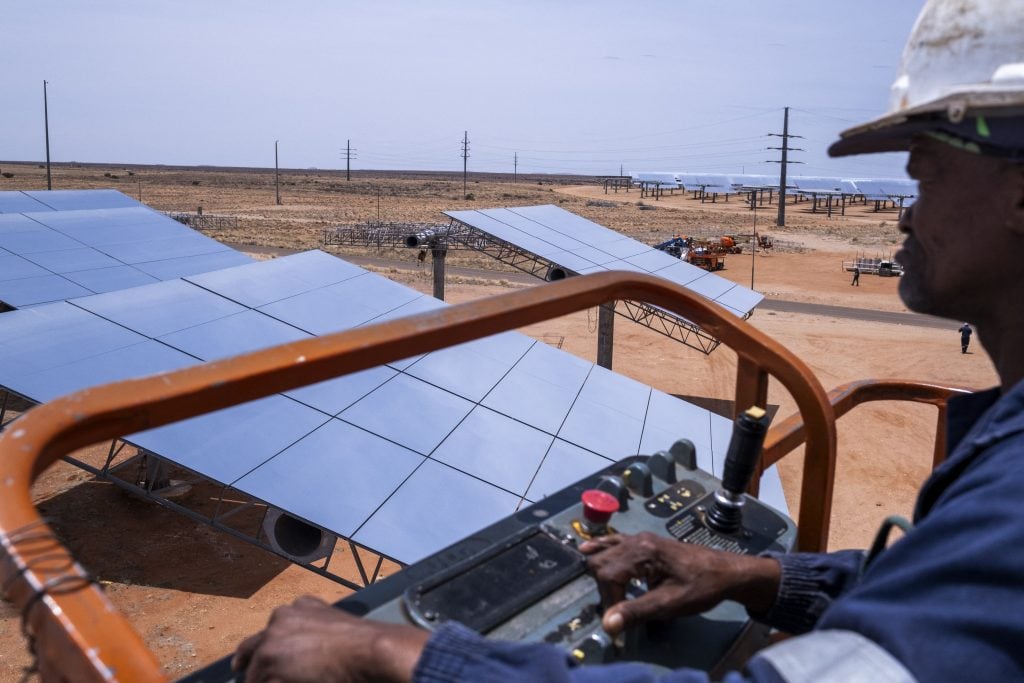
The EIB, as the lending arm of the European Union, is a major multilateral financial institution and a significant provider of climate finance. With over 55 years of experience partnering with African countries, the EIB through its dedicated development arm, EIB Global, is increasing its presence in Africa and mobilizing private capital for innovative green technologies like green hydrogen. The EIB has provided over €32 billion for green energy, water, urban development, education, agriculture, telecom, health, and business investments in 40 countries across the continent in the past decade.
Private equity has become an important tool in driving greener economic growth by providing liquidity, returns, and managing risks associated with climate investments. Infusing equity into climate-resilient infrastructure is accelerating progress towards a sustainable and climate-resilient future. Last year, the EIB invested over €350 million in equity funds operating in Africa, focusing on climate action and environmental sustainability.
Another effective approach the EIB has taken to support the private sector is intermediated lending, providing credit lines on favorable terms to local financial institutions for early-stage climate adaptation investments. This mechanism has been the EIB’s largest investment mechanism in Africa over the last five years, supporting private businesses through numerous smaller loans.
In addition, the EIB announced the introduction of climate-resilient debt clauses last year. These clauses allow developing countries to suspend loan repayments in the event of a natural disaster. This initiative aims to ease the debt burdens of vulnerable countries, promote greater debt sustainability, and scale up green finance efforts.
In conclusion, the EIB is committed to building new partnerships across Africa to accelerate investments that benefit both people and the planet. Vice-President Ambroise Fayolle oversees these efforts, particularly in financing environmental projects, climate action, and the circular economy, as well as relations with other multilateral development banks. The world needs bold ambitions and policies to address climate action and environmental sustainability, and the EIB stands ready to collaborate and lead in these critical areas.