By Africa Links 24
Published on 2024-04-10 07:31:16
Africa has the potential to become a global agricultural powerhouse. With excellent growing conditions, a large agricultural workforce, and plenty of arable land, the continent has all the necessary ingredients to increase food production in the coming years. However, the reality today is that many parts of Africa still rely on food imports, despite having the ability to produce surpluses. Akinwumi Adesina, president of the African Development Bank, expressed concern that Africa will spend $110 billion on food imports by 2025, while 283 million people across the continent go hungry.
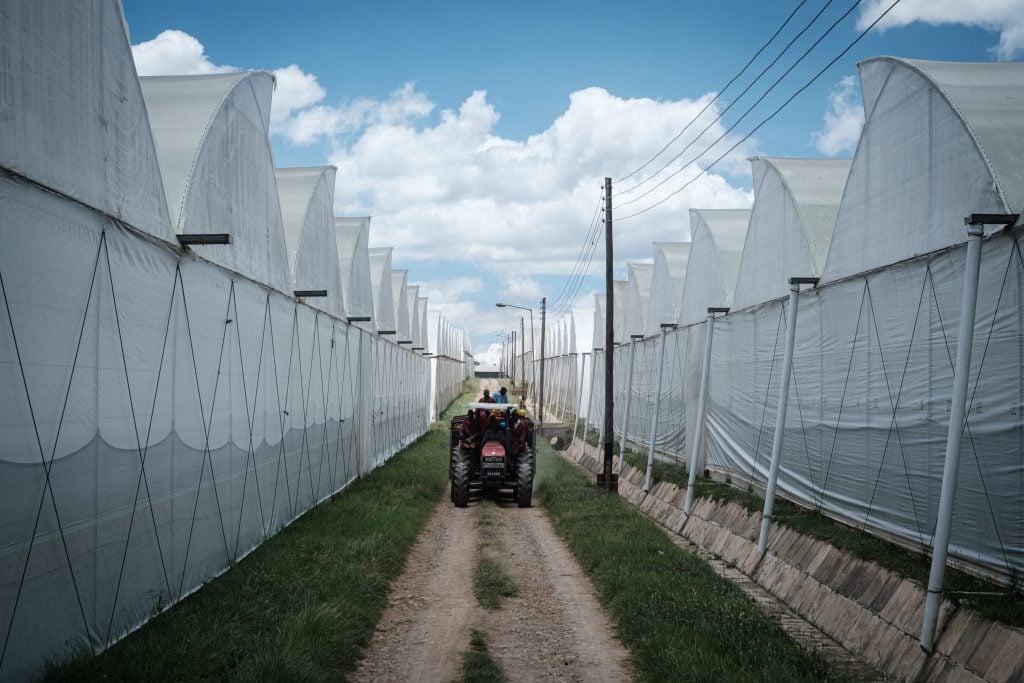
One of the main reasons for Africa’s underperformance in agriculture is the lack of infrastructure for transporting, storing, and processing crops. The World Resources Institute reports that over a third of all food produced in Africa, including grains valued at over $4 billion, is lost or wasted due to farmers’ struggles to transport perishable products to markets and a lack of access to cold storage facilities. The absence of agri-processing infrastructure across Africa not only discourages investment in increasing food production but also prevents African food exporters from transitioning to higher-value processed food products.
To unlock Africa’s agricultural potential, policymakers need to address these infrastructure challenges. Investing in agriculture is crucial for boosting incomes across the continent, with every 10% increase in agricultural production leading to an 8% decrease in poverty among smallholder farmers. However, without adequate agri-processing infrastructure, farmers may be hesitant to invest in increasing output. Basic infrastructure, such as road networks, irrigation systems, and electricity access, must be put in place to support food production and processing activities.
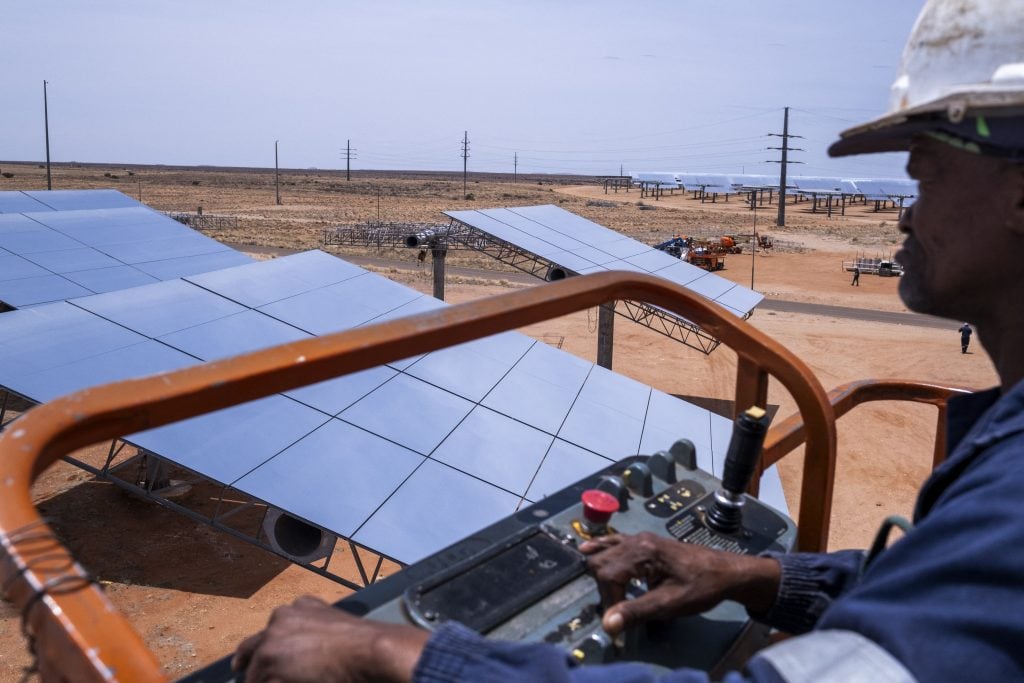
Sara Mbago-Bhunu, from the International Fund for Agricultural Development (IFAD), emphasizes the importance of electrifying agricultural facilities using off-grid solar technology. This approach, coupled with pay-as-you-go models, can improve access to refrigeration and lighting, essential for agri-processing. Furthermore, off-grid solar providers need to tailor their services towards agriculture, offering packages that meet the specific needs of agribusinesses.
Despite the challenges, progress is being made in upgrading Africa’s agro-processing facilities. For example, Valency Agro Nigeria recently opened a supply chain facility in Nigeria, which will be used for processing various food crops. This investment aims to reduce food wastage, boost food security, and increase the utilization of agricultural byproducts in the country.
To attract more investments in agri-processing, Mbago-Bhunu suggests adopting the cluster model, which concentrates businesses offering services across the value chain in specific areas. Programs like the Special Agro-Industrial Processing Zones (SAPZ) in Nigeria, supported by various development institutions, aim to develop value chains around crops like maize, cassava, and rice. By creating clusters or corridors, suitable areas with potential for agricultural development can attract investors and thrive.
In conclusion, incentivizing private sector investment in agri-processing infrastructure is crucial for unlocking Africa’s agricultural potential. The future of food production in Africa depends not only on its fields and soils but also on its factories and warehouses. With the right investments and infrastructure in place, Africa can truly become a global agricultural powerhouse.