By Africa Links 24
Published on 2024-04-15 02:00:00
African finance ministers and central bankers will soon be travelling to Washington, DC for the annual World Bank and International Monetary Fund (IMF) Spring Meetings. This annual gathering is a crucial moment to discuss the pressing issues impacting economic growth and development, as well as potentially announce further progress for a fairer global financial system. However, as we anticipate this meeting in Washington, it is essential to recognize that there are missed opportunities to advance economic growth closer to home.
The recent Africa Cup of Nations serves as an inspiration for potential economic growth. The tournament was a joyous occasion, with traditional dancing, songs, and attire that showcased the unique energy and spirit of the African people. Several teams proudly wore their national attire upon arriving in Abidjan, highlighting the rich cultural diversity of the continent.
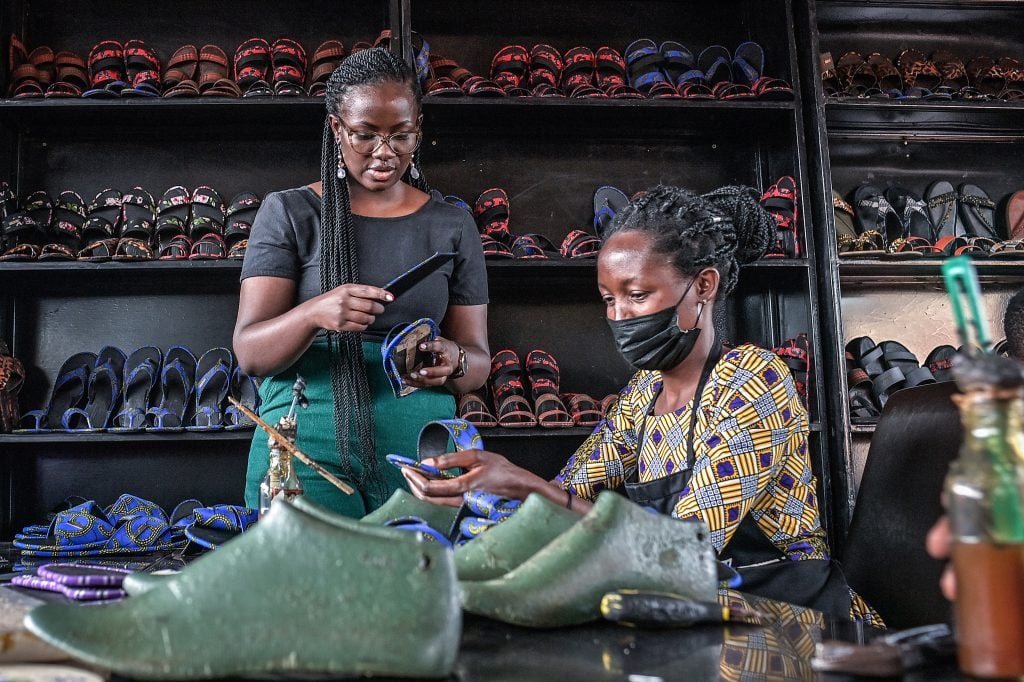
Beyond the vibrant display of traditional fabrics like lèppi, kente, and bògòlanfini, there lies an underdeveloped driver of economic growth: domestic consumption of African-made goods. African fashion designers are at the forefront of promoting these goods by blending traditional fabrics with contemporary clothing styles, preserving centuries-old techniques while embracing modern trends.
The entertainment industry also plays a significant role in driving economic growth, as evidenced by the success of homegrown music genres like Amapiano. However, Africa’s share of the global creative economy remains disproportionately low, accounting for only 2.9% of global exports for creative goods. To tap into this untapped potential, there needs to be a concerted effort to promote and support creative industries within Africa.
Events like the Africa Cup of Nations demonstrate how quickly these industries can scale when there is a demand for African-made products. By promoting continuous consumption of local goods, countries can develop robust value chains, increase domestic revenues, and diversify their economies. This requires high-level commitment from political leaders and cultural icons to celebrate and promote locally-made products.
Additionally, it is crucial to enhance market access for African entrepreneurs across the continent, foster a business-friendly environment, and provide flexible financing options to support small and medium-sized enterprises. Emphasis should also be placed on supporting the informal sector, which plays a significant role in Sub-Saharan African economies both in terms of GDP contribution and employment.
Furthermore, leveraging national budgets and public procurement to support African industries can be a powerful tool in promoting local production, developing partnerships, and fostering inclusive and sustainable economies. African nations spend a significant portion of their GDP on public procurement, making it a key area to drive economic growth and development.
As African ministers prepare for their trip to Washington, they have an opportunity to not only engage in global discussions but also reignite the spirit of pan-African solidarity and economic resilience. By supporting and promoting African-made goods and industries, African nations can reduce their reliance on global aid and development finance and build a more self-sufficient and prosperous future.