Rédaction Africa Links 24 with Egypt Independent
Published on 2024-03-25 11:43:37
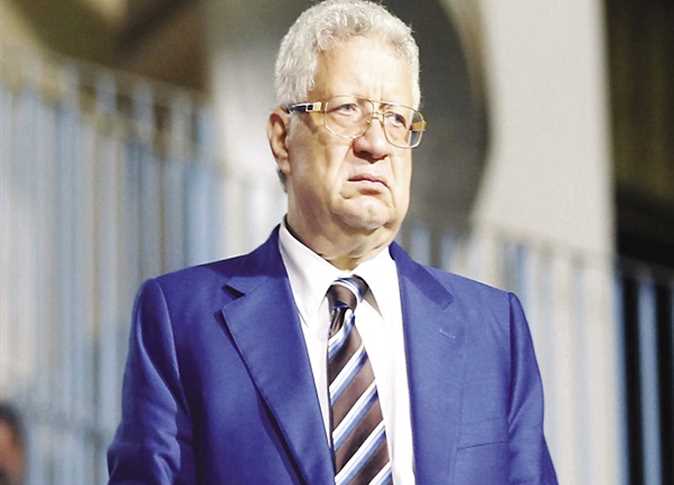
The Economic Court has scheduled April 27 as the date to announce the verdict in the trial of Mortada Mansour, the former president of Zamalek Club, who is accused of slandering and defaming media host Amr Adib, the presenter of the “al-Hekaya” program on MBC Masr.
According to Adib’s lawyer, Mansour’s actions tarnished his client’s reputation and honor, prompting Adib to initiate legal proceedings against Mansour. The lawsuit alleges that Mansour disparaged the Hekaya program presenter through Zamalek Club’s channel and his personal social media account.
The trial highlights a clash between two prominent figures in Egyptian media and sports, with implications for their respective reputations and public standing. Mansour, known for his controversial statements and actions, has been embroiled in numerous legal battles in the past.
Adib, on the other hand, is a well-known media personality with a large following. His program, “al-Hekaya,” addresses a wide range of social and political issues, making him a prominent figure in Egyptian media.
The lawsuit against Mansour underscores the importance of upholding the principles of journalistic integrity and respect for individuals’ rights. Defamation and slander can have serious consequences for those targeted, leading to damage to their reputation and livelihood.
In a society where freedom of speech is valued, it is essential to strike a balance between expressing opinions and respecting the rights of others. Legal mechanisms such as the Economic Court play a crucial role in adjudicating disputes and ensuring that justice is served.
The outcome of the trial will have far-reaching implications for both Mansour and Adib, as well as for the broader media landscape in Egypt. It will set a precedent for how such disputes are resolved and may influence the behavior of other public figures in the future.
As the date of the verdict approaches, the case has attracted widespread attention and speculation. The implications of the court’s decision will reverberate throughout Egyptian society, shaping perceptions of accountability and responsibility in the public sphere.
Regardless of the verdict, the trial serves as a reminder of the importance of upholding ethical standards in journalism and public discourse. It underscores the need for all individuals, regardless of their status or influence, to conduct themselves with integrity and respect for others.
In a rapidly changing media landscape, where information is disseminated at lightning speed, the consequences of defamation and slander can be profound. By holding individuals accountable for their actions, the legal system plays a critical role in safeguarding the rights and dignity of all individuals involved.
Read Original article on Egypt Independent