Rédaction Africa Links 24 with MENA
Published on 2024-03-26 10:01:13
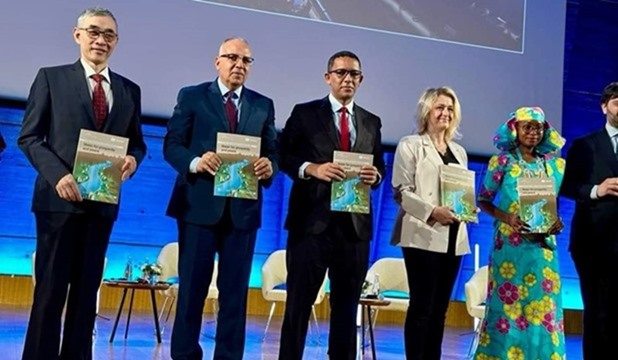
Minister of Water Resources and Irrigation, Hani Sweilam, emphasized the importance of global collaboration in achieving a secure and equitable water future that fosters prosperity and peace for all countries. His remarks were made during his participation in the launch of the United Nations World Water Development Report 2024, which took place on the sidelines of a celebration marking Water Day organized by the United Nations Educational, Scientific, and Cultural Organization (UNESCO).
Sweilam commended the report for shedding light on the intricate and interconnected relationships between sustainable water management and the attainment of prosperity and peace. The report delves into the current state of water resources worldwide, highlighting the fact that nearly half of the global population is currently grappling with severe water scarcity.
The Minister’s call for international unity echoes the growing recognition of water as a critical resource that transcends borders and requires collective action to ensure its sustainable management. As climate change continues to impact water availability and quality, addressing water challenges has become a pressing concern for nations around the world.
The United Nations Environment Programme (UNEP) has also underscored the urgent need for countries to prioritize water security and resilience in their policy agendas. Water is not only essential for human survival and well-being but also plays a crucial role in ecosystems, agriculture, industry, and energy production.
Efforts to achieve a safe and just water future must encompass a range of strategies, including sustainable water use practices, investments in water infrastructure, and the protection of water ecosystems. Access to clean and reliable water is a fundamental human right, and ensuring equitable distribution and management of water resources is essential for addressing social inequities and promoting sustainable development.
In addition to the environmental and social dimensions of water management, the economic implications of water scarcity and contamination are also significant. Businesses and industries rely on water for their operations, and disruptions in water supply can have far-reaching consequences for economies and livelihoods.
By prioritizing water sustainability and resilience, countries can not only mitigate the impacts of water-related challenges but also unlock opportunities for innovation, economic growth, and social progress. Investing in water infrastructure, promoting water-efficient technologies, and fostering international cooperation are key components of a holistic approach to water management.
In conclusion, Minister Hani Sweilam’s call for global cooperation in achieving a secure and just water future underscores the interconnected nature of water challenges and the need for coordinated action at the national, regional, and international levels. By working together to protect and manage water resources effectively, countries can lay the groundwork for a more sustainable and prosperous future for all.
Read Original article on Egypt Independent