Rédaction Africa Links 24 with Egypt Independent
Published on 2024-01-31 09:05:35
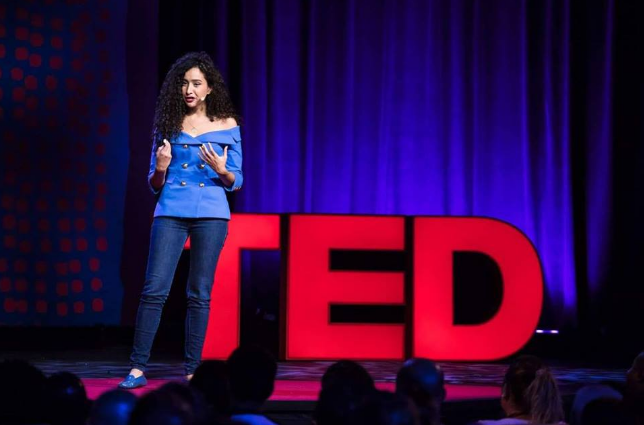
Graphic designer Ghada Wali, 34, has been sentenced to six months in prison, fined LE 10,000, and ordered to pay temporary compensation of LE 100,000 for violating intellectual property rights and plagiarizing paintings by Russian artist Georgy Kurasov. The Economic Court issued the sentence on Tuesday and also placed Wali on the travel ban list during the investigation.
Wali, an internationally recognized graphic designer, has pleaded not guilty to the charges. She was previously celebrated as one of the best graphic designers in the world in 2017 and had been responsible for decorating the stations of the third line of the subway with drawings inspired by Egyptian civilization. However, in 2022, Wali faced accusations of plagiarizing designs for her paintings used in the Girls’ College metro station in Cairo, sparking outrage across social media.
Initially, Kurasov had hoped for an official apology from Wali for using his paintings without permission. However, as the situation escalated, he sought financial compensation through his attorney. In a post on his official Facebook page, Kurasov expressed his frustration, stating, “My paintings were used in the Cairo subway without my permission and even mentioning my name!”
The case highlights the importance of respecting intellectual property rights and the serious consequences of plagiarism. The court’s decision to sentence Wali to prison and impose a fine and compensation underscores the gravity of the offense.
The public outrage over the incident demonstrates the significance of upholding and protecting the rights of artists and creators. The violation of Kurasov’s rights has not only resulted in legal consequences for Wali but has also caused reputational damage. The case serves as a warning to all artists and designers about the legal and ethical implications of intellectual property infringement.
As the investigation continues, Wali will remain on the travel ban list, and the outcome of the case will have broader implications for intellectual property rights and the consequences of plagiarism in the creative industry.