By Rédaction Africa Links 24 with Egypt Independent
Published on 2024-01-20 08:23:47
The Ministry of Tourism and Antiquities in Egypt has partnered with the United Nations Development Program and the World Tourism Organization to promote the use of sustainable technologies in the tourism industry, with a focus on solar energy. The goal of this collaboration is to protect and preserve archaeological sites while also implementing sustainable practices to benefit local communities and visitors.
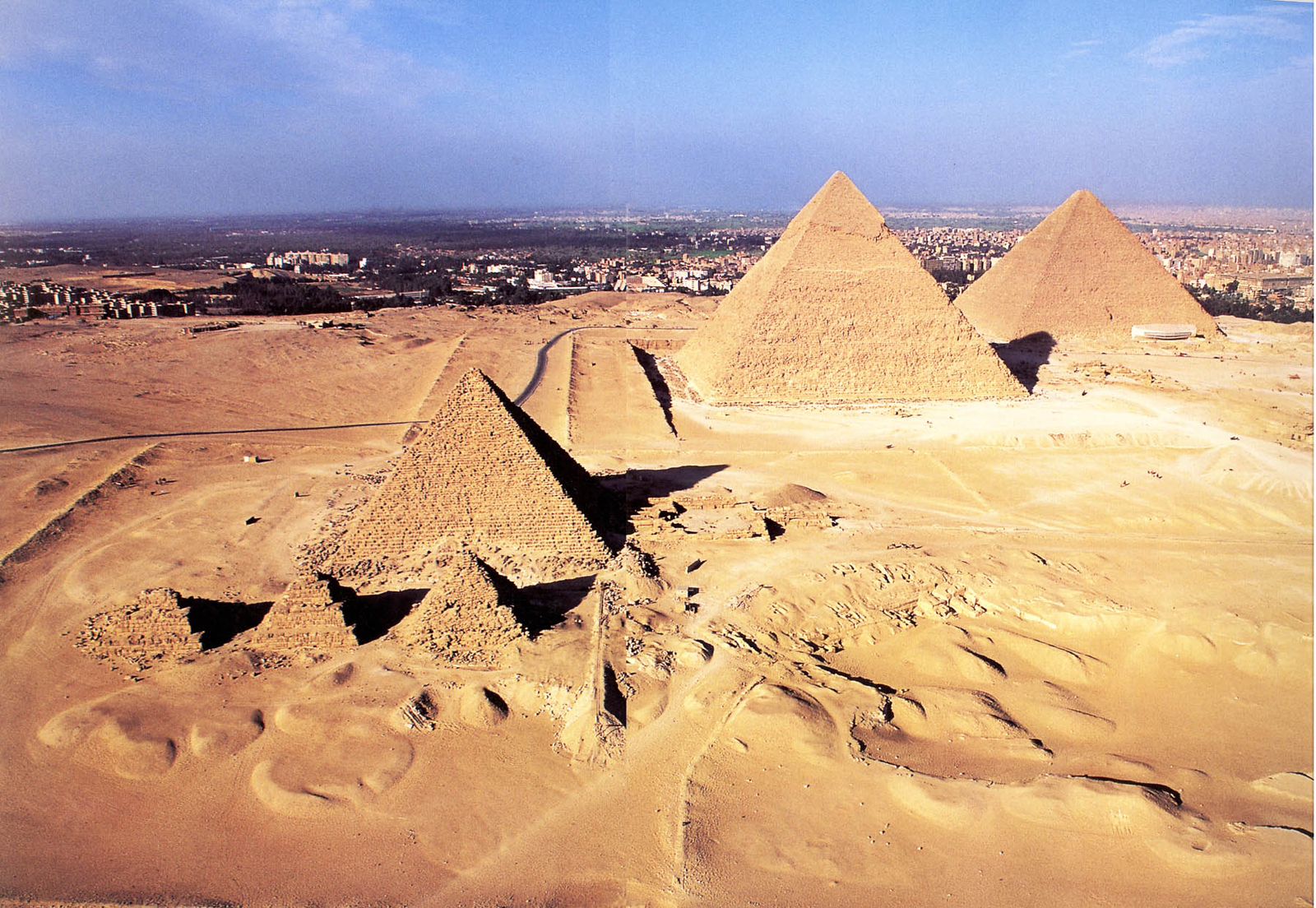
As part of a national project for solar cell systems, up to five Egyptian World Heritage sites and museums will now be equipped with solar energy plants. These sites include the Visitor Center on the Giza Pyramids Plateau, Mohammad Ali Palace in Manial, Sharm el-Sheikh Museum, and two museums in Alexandria (the National Museum and the Royal Jewelry Museum). The total capacity of these stations is 325 kilowatts of photovoltaic systems, which will generate 520 megawatt hours per year. It is estimated that this shift to solar energy will reduce approximately 295 tons of carbon dioxide equivalent greenhouse gas emissions annually.
The introduction of solar energy is part of a larger plan that is divided into two phases. The first phase aims to include up to 20 museums and archaeological sites, with the second phase encompassing approximately six additional museums and sites. This initiative demonstrates a commitment to promoting sustainability and reducing the environmental impact of tourism in Egypt.
By embracing sustainable technologies such as solar energy, Egypt is taking proactive steps to minimize the carbon footprint of its tourism industry while also setting an example for other countries. The use of solar energy in heritage sites and museums not only contributes to environmental preservation but also enhances the overall visitor experience. This collaborative effort between the government, international organizations, and local communities sets a precedent for responsible and sustainable tourism practices.
Read the original article on Egypt Independent