Rédaction Africa Links 24 with Egypt Independent
Published on 2024-03-30 08:30:53
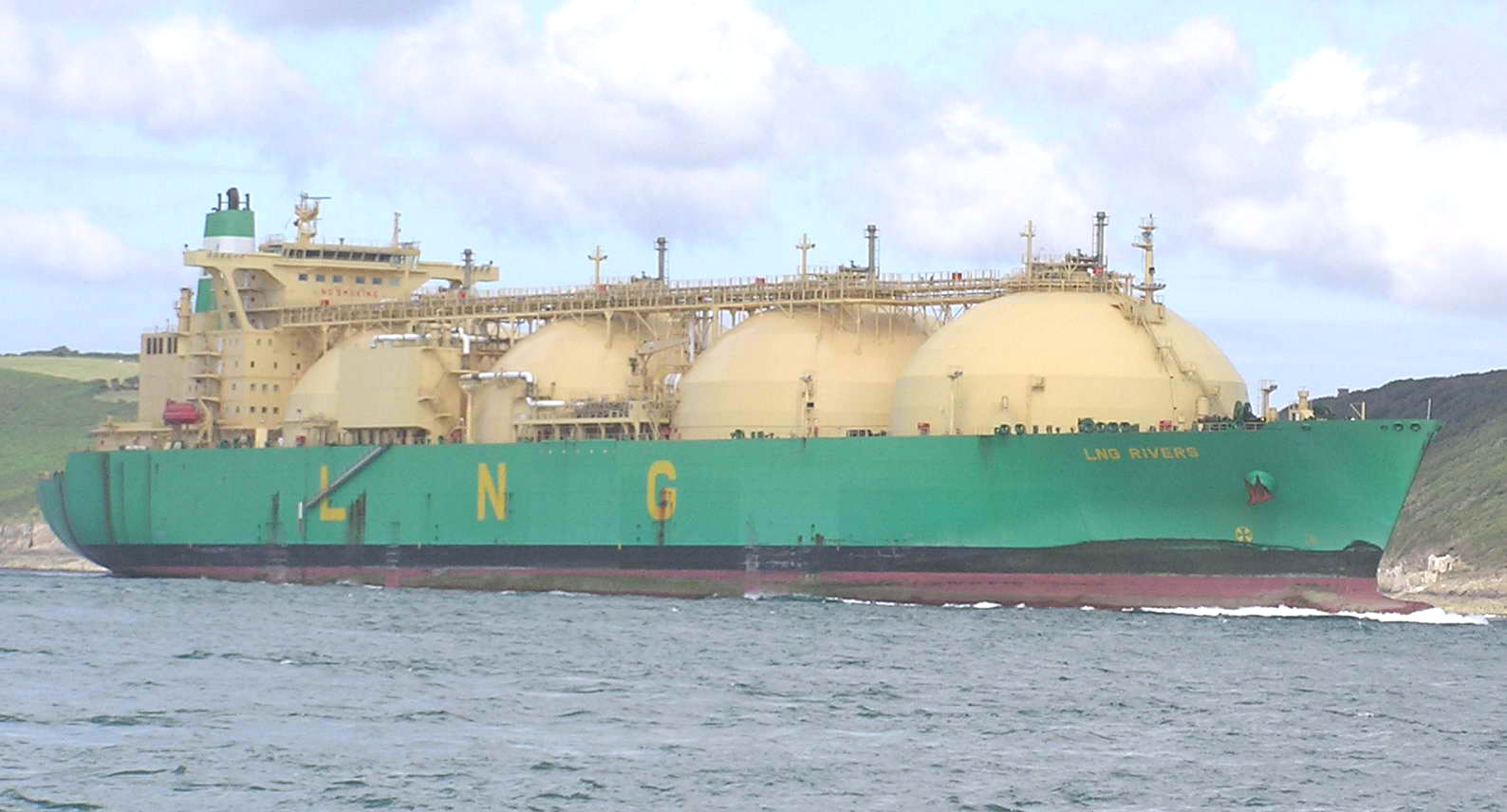
Egypt is facing potential fuel shortages this summer and is considering purchasing liquefied natural gas from markets to avoid these shortages. However, the crisis in the Red Sea poses a challenge to these plans, as reported by Bloomberg. Cairo has reached out about LNG deliveries starting next month and continuing through the summer, but the specifics of the plan have not been officially announced.
Sources familiar with the matter mentioned that the gas would be routed through an existing facility in Jordan, but Egypt is also looking to establish its own floating terminal. This potential decision marks a significant change for Egypt, which had largely halted LNG imports in 2018 thanks to increased domestic production from the Zohr field, turning the country into a net exporter of fuel.
However, the dangers of climate change and rising geopolitical tensions have now forced Egypt to reconsider this strategy and look into importing LNG once again. The Egyptian Natural Gas Holding Company did not provide any comments on this matter when approached by Bloomberg.
The potential move to import LNG is crucial for Egypt, as the country heavily relies on natural gas for its energy needs. With the rise in global temperatures and the increasing strain on natural resources, securing a stable supply of LNG is essential for Egypt to meet its energy demands, especially during the hot summer months when electricity consumption peaks.
Egypt’s energy sector has seen significant developments in recent years, with increased investment in renewable energy sources like solar and wind power. However, natural gas still plays a dominant role in the country’s energy mix, and the potential LNG imports represent a critical lifeline to ensure the stability of Egypt’s energy sector.
The geopolitical landscape in the region also adds another layer of complexity to Egypt’s energy security concerns. Tensions in the Red Sea and surrounding areas have the potential to disrupt traditional supply routes, making it imperative for Egypt to diversify its energy sources and secure alternative supply channels.
In conclusion, Egypt’s consideration of LNG imports to address potential fuel shortages this summer underscores the country’s ongoing energy challenges and the need for strategic planning to ensure a stable and reliable energy supply. By exploring options to import LNG from international markets, Egypt is taking proactive steps to mitigate the risks posed by climate change and geopolitical tensions, ultimately safeguarding the country’s energy security.
Read Original article on Egypt Independent