By Africa Links 24
Published on 2024-04-18 11:11:03
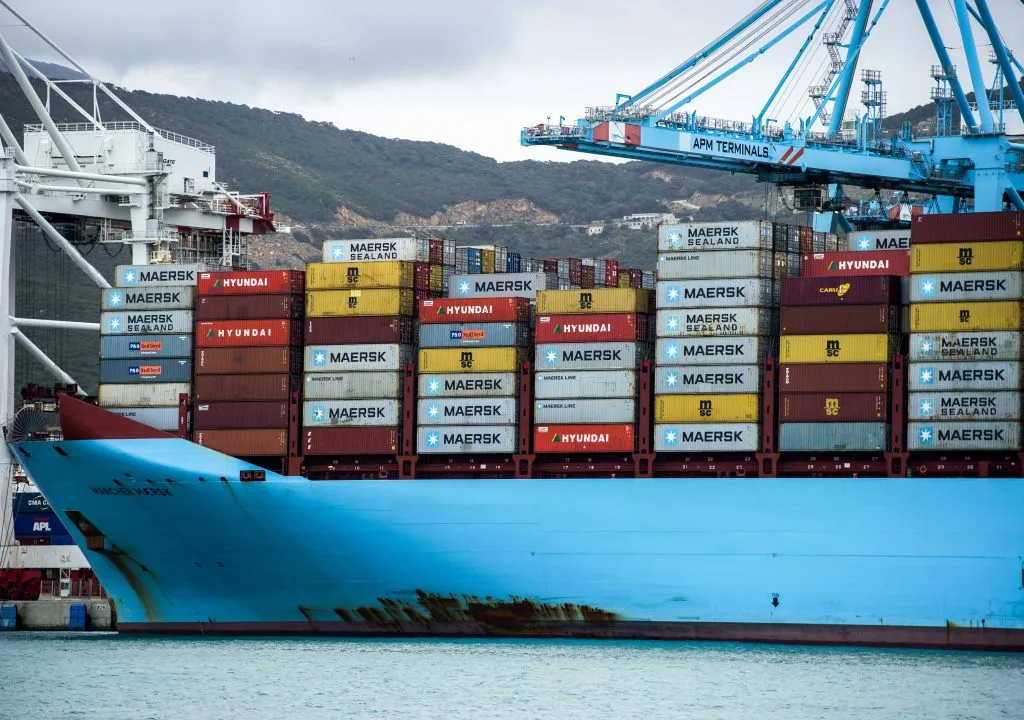
Africa is often referred to as the continent of opportunity, a cliché that holds undeniable truth. With 53% of African markets’ GDP coming from exports and imports in 2019, trade is at the heart of the African economy. Furthermore, the African Continental Free Trade Area (AfCFTA) has created a single market and customs union encompassing 55 countries, making cross-border trade easier than ever before.
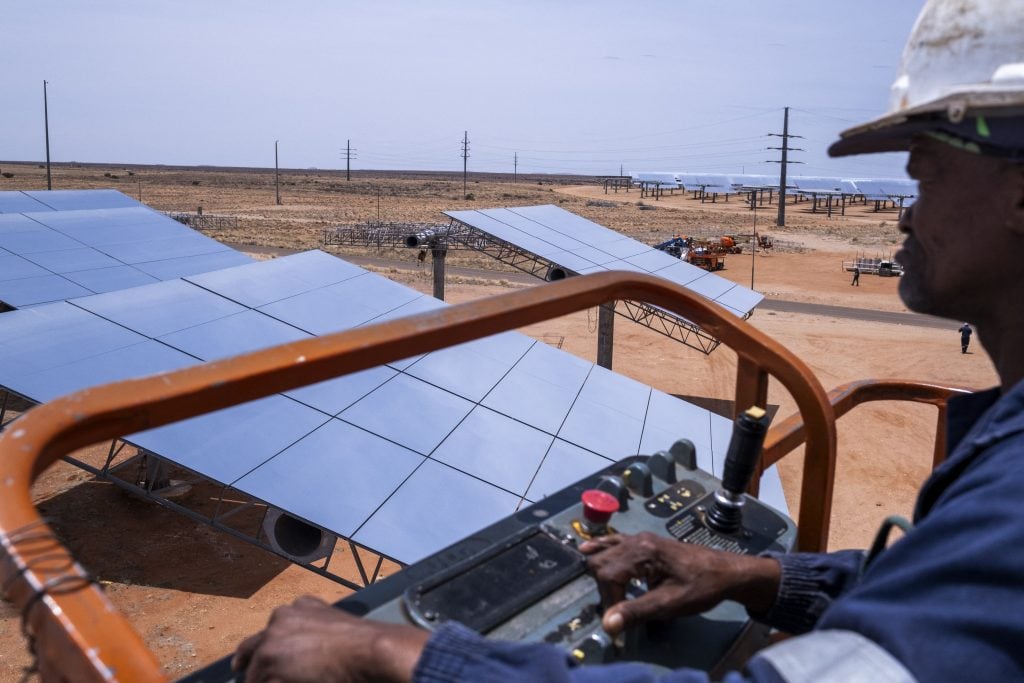
In addition to trade, Africa is also emerging as a potential hub for green energy production. North Africa, in particular, is investing in solar photovoltaic capacity, taking advantage of abundant space and sunlight exposure. This region could also produce green hydrogen, creating a new economic sector. Africa has the potential to produce 30-60 million tonnes of green hydrogen annually by 2050, meeting up to 10% of global demand. The continent’s renewable energy sector is becoming increasingly attractive, especially as European markets seek alternative energy sources due to conflicts in Ukraine.
Despite the opportunities in Africa, the international financial sector has shown some reluctance to engage with African economies, citing concerns over governance, government debt, and currency volatility. This has led to limited access to international investment, resulting in a $120 billion trade finance gap in the region. However, perceptions of Africa being excessively risky may not align with reality. Empirical data shows that African trade finance has a low product default rate, often better than that in ‘developed’ markets.
Challenges such as immature regulatory frameworks, corruption, and money laundering exist in African markets. However, specialist financial institutions focusing on trade finance in Africa believe that transparency and stringent compliance are key to conducting safe and sustainable trade on the continent. These institutions play a crucial role in bridging the gap between global trade finance markets and African commerce, providing tailor-made solutions for businesses looking to engage in trade in Africa.
A specialist approach to risk management is essential in navigating the complexities of African trade. Banks with in-depth knowledge of the geographies they operate in, compliance with regulatory developments, and transaction monitoring capabilities are crucial in mitigating risks. These banks also respect cultural differences in business practices while adhering to high compliance standards. By tailoring their approach to target markets, specialist banks ensure safe and sustainable trade in Africa, facilitating trade transactions and reducing transactional friction.
As Africa moves towards greater trade integration, there is a significant opportunity for international companies to engage with African markets. Specialist trade finance banks like BACB, with a presence across the continent, play a vital role in building trust and capacity for businesses looking to trade and invest in Africa. While risks in African markets cannot be entirely eliminated, working with the right partner can help mitigate them and unlock the continent’s full potential for trade and investment.