Rédaction Africa Links 24 with Africanews
Published on 2024-02-25 09:10:50
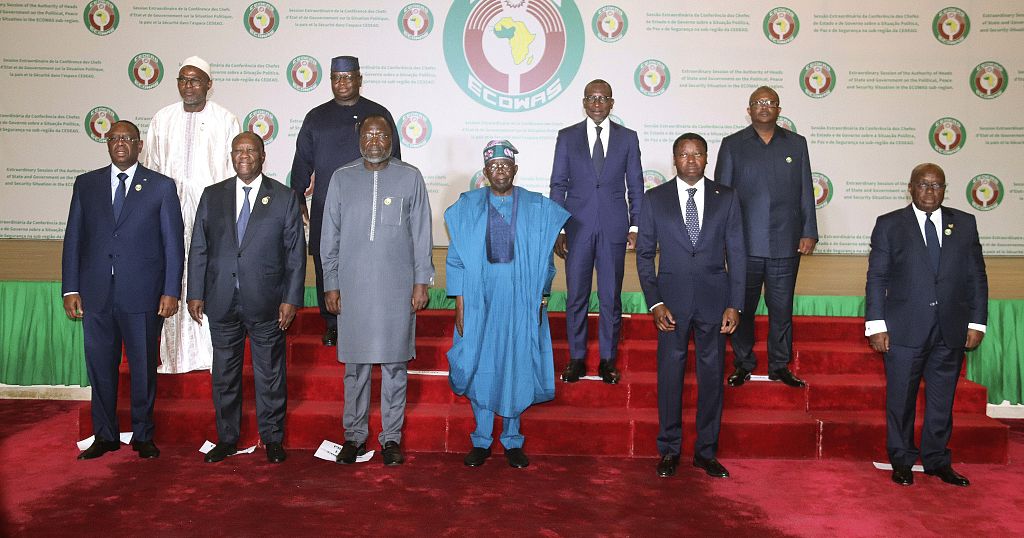
The Economic Community of West African States (ECOWAS) has recently made the decision to lift travel, commercial, and economic sanctions imposed on Niger following a coup that took place last year. This announcement was made by the president of the ECOWAS Commission, Omar Alieu Touray, after a meeting held in Nigeria’s capital, Abuja. The purpose of the meeting was not only to address the existential threats facing the region but also to urge three junta-led nations that have decided to leave the bloc to reconsider their decision.
The sanctions on Niger are being lifted on humanitarian grounds to alleviate the suffering caused by them. However, it is important to note that there are certain targeted individual sanctions and political sanctions that will remain in force. The summit of the 15-nation regional economic bloc comes at a critical time when the future of ECOWAS is in jeopardy due to the possibility of disintegration and a recent increase in coups driven by dissatisfaction with the performance of elected governments.
The decisions made at the summit are guided by a commitment to safeguarding constitutional order, upholding democratic principles, and promoting the social and economic well-being of citizens. Nigerian President Bola Tinubu, the current chairman of ECOWAS, emphasized the importance of these principles at the start of the summit. The main agenda of the summit includes addressing the recent departure of Mali, Burkina Faso, and Niger from ECOWAS due to what they perceive as inhumane sanctions.
The bloc’s founding leaders, including Nigeria’s former military ruler, Yakubu Gowon, have called for the lifting of harsh sanctions on Niger. The Sahel region, south of the Sahara Desert, is facing increasing violence from extremist groups and rebels, leading to a rise in military coups in the region. The nine coups in West and Central Africa since 2020 have been largely driven by accusations of governments failing to provide security and good governance.
The sanctions against Niger and the threat of military intervention to reverse the coup have contributed to the withdrawal of the three countries from the bloc. This has raised concerns about the fragmentation of the West African region and the formation of new alliances that challenge traditional structures. Analysts have highlighted the potential impact of this withdrawal on the unity of the West African bloc.
In conclusion, the lifting of sanctions on Niger by ECOWAS marks a significant development in the region’s efforts to address political instability and promote democratic governance. The challenges facing West Africa, particularly in the Sahel region, require a coordinated and collaborative approach to ensure peace and stability. It is important for member states to work together to overcome these challenges and build a prosperous future for the region.
Read Original article on Africa News


