By Africa Links 24
Published on 2024-02-22 15:32:06
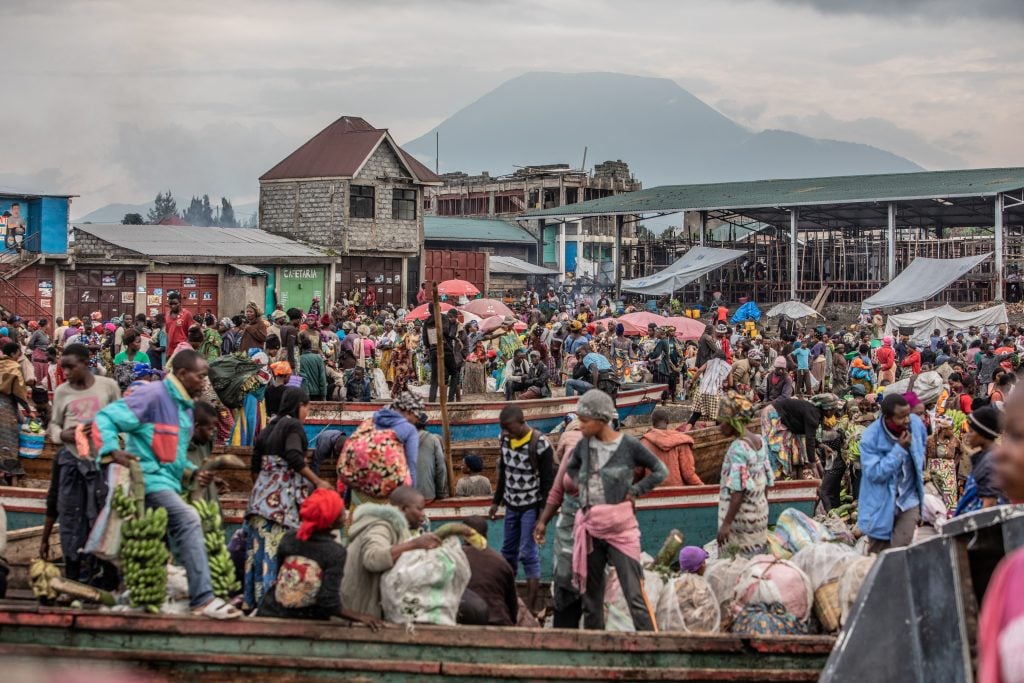
The everyday experience of millions of African small traders is filled with challenges as they journey across land borders, working tirelessly to provide for their families and secure a decent livelihood. These unsung heroes are the backbone of Africa’s informal trade sector, accounting for a significant portion of trade in many African economies. However, their incredible resilience and contributions often go unnoticed due to the cash-based nature of their transactions.
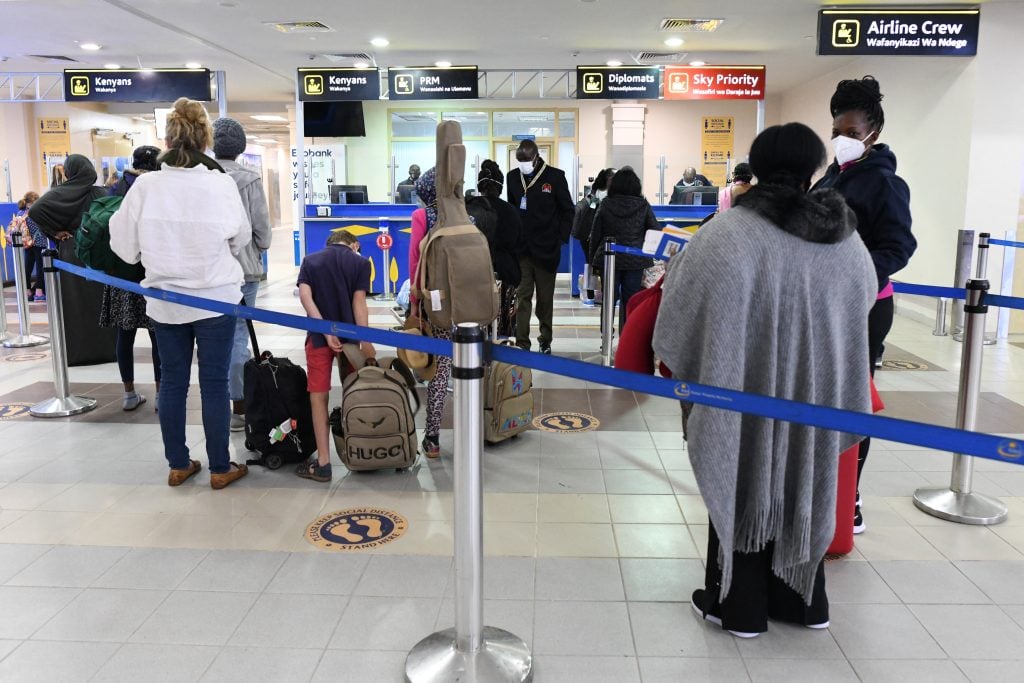
As Africa prepares to accelerate the implementation of the African Continental Free Trade Area (AfCFTA) in 2024, there is a renewed focus on the plight of cross-border traders, particularly women and youth. The AfCFTA, Smart Africa, and the Better Than Cash Alliance have conducted visits to pivotal border locations to understand the challenges faced by these traders and to identify untapped potential within their grasp. The reliance on cash transactions in intra-African trade poses significant financial risks and hinders accurate measurement of trade.
One of the major hindrances to financial inclusion and digital trade is the lack of interoperability of digital payment systems, especially for micro and small traders at land borders. Additionally, the use of third currencies in cross-border trade payments places a burden on national foreign exchange reserves and leads to delays in settlements and diminishing profits for small and micro-merchants. The Pan-African Payment and Settlement System (PAPSS) is a groundbreaking initiative designed to address these challenges and facilitate fast, seamless payments for intra-African trade.
Formal intra-Africa trade holds great potential, with the AfCFTA projected to increase intra-Africa trade by about 33% and reduce the continent’s trade deficit by 51%. However, achieving these goals requires trusted, interoperable, and inclusive payment systems as the foundation for trade and digital commerce that benefits all.
Digital payments are key to driving financial inclusion and unlocking economic opportunities to accelerate the realization of the AfCFTA and Agenda 2063. With women comprising over 70% of traders in the micro, small, and medium-sized enterprise (MSME) sector, they play a crucial role in Africa’s economy. The Women and Youth Financial and Economic Inclusion (WYFEI) 2030 initiative aims to unlock $100 billion for 10 million women and youth by 2030, empowering individuals and strengthening the entire African economy.
The Board of Smart Africa has approved initiatives to collaborate with member states in revising foreign exchange restrictions for digital transactions, promoting wider adoption of digital financial services among micro and small cross-border traders. Additionally, the Smart Africa Trust Alliance (SATA) Declaration and the initiation of a Proof of Concept (PoC) for cross-border digital merchant payments are crucial steps toward building trust in digital transactions and realizing the vision of a Single Digital Market.
Digital financial inclusion of small-scale traders, especially women and youth, is a key objective within the AfCFTA’s Protocols on Digital Trade and Women and Youth in Trade. The goal is to boost digital financial inclusion by developing affordable, real-time, safe, secure, inclusive, interoperable, responsible, and universally accessible cross-border digital payment ecosystems across Africa.
In partnership with the AUC, Smart Africa, and the Better Than Cash Alliance, the AfCFTA has issued a call to action on Digital Financial Inclusion for the Success of the One African Market, focusing on government leadership, supportive regulations, fostering universal trusted usage, promoting regional collaboration, and championing financial equality.
The AfCFTA is not just a trade agreement; it is a gateway to economic empowerment, gender equality, and youth development. Stakeholders are urged to rally behind the mission for digital financial inclusion, prioritizing digital payments and financial inclusion at land borders to redefine the continent’s economic landscape and ensure cross-border traders thrive in the digital age.