Rédaction Africa Links 24 with Guardian Nigeria
Published on 2024-03-24 03:50:53
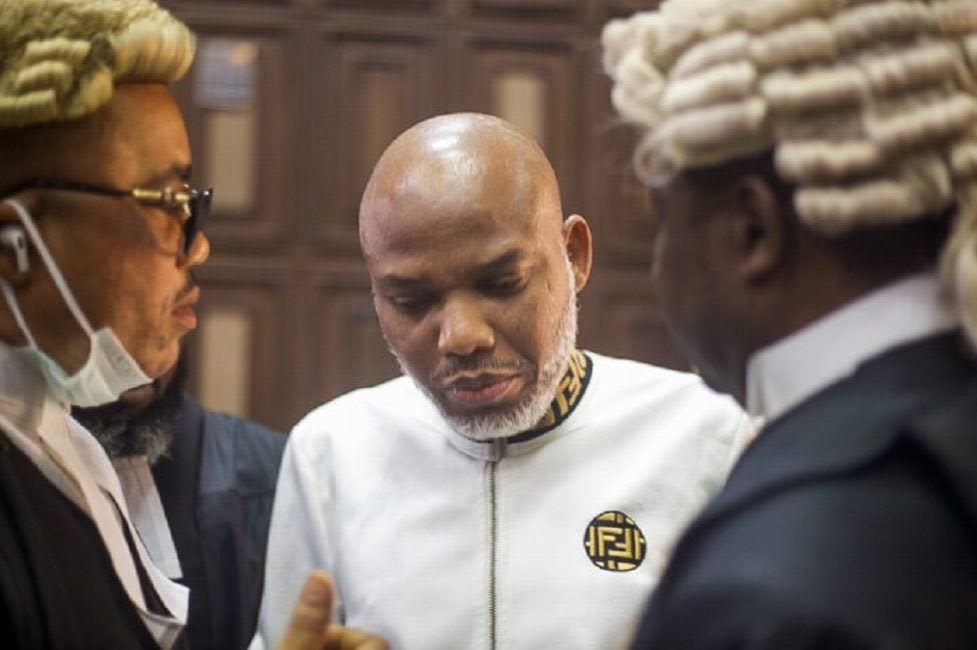
The recent decision by the Federal High Court Abuja to refuse bail for Mazi Nnamdi Kanu, the leader of the Indigenous People of Biafra (IPOB), has sparked shock and disappointment among supporters and members of the group. The ruling came as a surprise to many, especially since there were high expectations that Justice Binta Nyako would grant Kanu bail, considering his health conditions which he claims require urgent medical attention.
Kanu, who had previously been granted bail on health grounds in 2017, is currently facing charges of terrorism and treasonable felony. Despite a Court of Appeal granting him bail in 2022 and ordering his release, the matter was thrown back to Justice Nyako by the Supreme Court, stating that Kanu must face trial.
The refusal of bail by the Federal High Court has raised concerns about the impact it may have on the healing process and peace in the Southeast region, which has been plagued by insecurity and other crimes for some time. The IPOB leadership has remained silent on the matter following the court ruling.
Dr. Marvelous Igwe, a political scientist, emphasized the need for a political solution to the issue, stating that the government should consider varying rules in the interest of justice, fairness, and peace. He suggested that addressing the genuine concerns of groups like IPOB could help in resolving the matter and restoring peace in the region.
Supporters of Kanu, while expressing anger over the court’s decision, reiterated their commitment to the struggle for Biafra. They emphasized that denying Kanu access to medical care while in custody was unjust and called for a fair trial process without unnecessary delays.
The refusal of bail for Kanu has also drawn reactions from various quarters, including the Ohanaeze Ndigbo socio-cultural organization, which has appealed for calm and patience among Nigerian youths. They expressed confidence that Kanu would be freed soon and called for an end to his trial for the sake of peace in the country.
Some members of the House of Representatives from the Southeast also urged President Bola Ahmed Tinubu to consider discontinuing Kanu’s trial, similar to the gestures extended to other individuals facing legal challenges. They emphasized the need for dialogue and peaceful resolution of the issues in the region.
The Catholic Bishops of Nigeria echoed similar sentiments, calling on the President to explore civil remedies to release Kanu and address the insecurity in the Southeast region. They emphasized the economic impact of Kanu’s detention and the need for his release to restore peace and prosperity in the region.
Overall, the refusal of bail for Kanu has generated mixed reactions and highlighted the complexities of the legal and political issues surrounding his case. The calls for a peaceful resolution and dialogue to address the underlying grievances and promote peace in the region remain crucial in moving towards a sustainable solution.
Read Original article on The Guardian