By Africa Links 24
Published on 2024-04-18 09:35:23
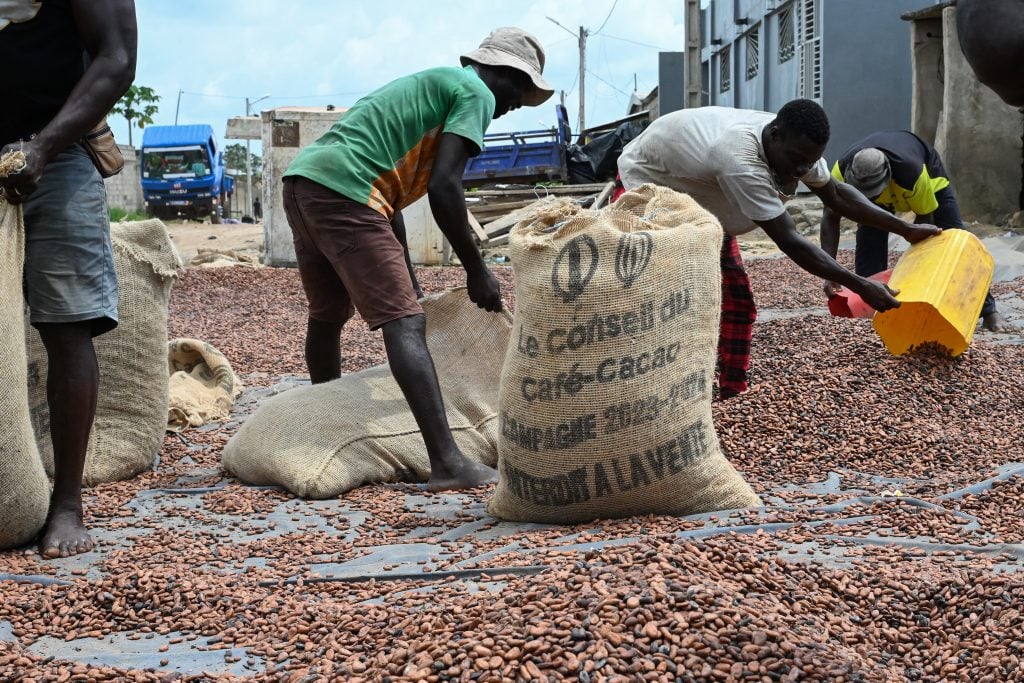
The global cocoa industry is facing a crisis as cocoa prices have surged past $10,000 per ton for the first time in history. This increase is due to a combination of factors, including disease outbreaks and adverse weather conditions in West Africa, which is a major producer of cocoa.
Countries such as Ghana, Côte d’Ivoire, Nigeria, and Cameroon, which account for more than 75% of the world’s cocoa production, have experienced significant challenges with reduced crop yields caused by droughts, fires, and other climate change-related issues. The current drought in West Africa is reported to be the worst the region has seen in nearly two decades, according to data from the Gro Intelligence platform.
The Cocoa Farmers Association of Nigeria reported that fires destroyed over 30 hectares of cocoa farmlands in the first quarter of the year, which could result in a loss of 11,000 to 12,000 tonnes of cocoa from the mid-crop harvest in Nigeria. This loss represents approximately 4% of the expected cocoa production for the year, which is between 280,000 and 300,000 tons.
The International Cocoa Organization (ICCO) has reported a decrease in cocoa arrivals at Ivorian and Ghanaian ports, with a 28% and 35% decline, respectively, compared to the same period last year. The global cocoa production for the season is projected to drop by 10.9% to 4.45 million metric tons, creating a deficit of 374,000 tons by the end of the season.
Decades of underinvestment in the cocoa sector have further exacerbated the challenges faced by cocoa farmers in West Africa. Local farmers have been exporting raw cocoa with minimal local processing, resulting in West Africa receiving only a small portion of the global value chain. The lack of reinvestment in aging plantations has led to declining yields and production, while changing weather conditions have made the crops more vulnerable to disease.
Efforts are being made to address these challenges, with countries like Ghana, Cameroon, and Côte d’Ivoire raising the prices paid to cocoa farmers for their produce. The World Bank has also provided financial support to combat issues such as the swollen shoot virus in Ghana.
Calls have been made for a buyers’ premium to be introduced in the cocoa market to ensure that farmers receive fair compensation for their produce and to incentivize sustainable production practices. Close collaboration among West African countries is seen as crucial to addressing the structural issues in the cocoa market and securing better terms for cocoa producers.
In conclusion, the cocoa industry is facing significant challenges due to a combination of external factors, including disease outbreaks, adverse weather conditions, and underinvestment. Collaborative efforts and policy interventions are needed to support cocoa farmers in West Africa and ensure the sustainability of the global cocoa supply chain.