Rédaction Africa Links 24 with umajulius
Published on 2024-03-21 10:04:43
In a report released on March 21, 2024, the Food and Agricultural Organization (FAO) highlighted a significant decrease in national cereal production in Sudan for the year 2023. The estimated production of cereals was approximately 4.1 million tonnes, a 46 percent decrease from the previous year. This decline was also 40 percent below the average production of the past five years.
The FAO conducted an assessment between January 2 and January 17, 2024, in response to a request from the Ministry of Agriculture and Forestry. The aim of the assessment was to estimate the 2023 crop production and evaluate the food supply situation across all 18 states of the country. The assessment was carried out in close collaboration with the Food Security Technical Secretariat and the State Ministries of Agriculture.
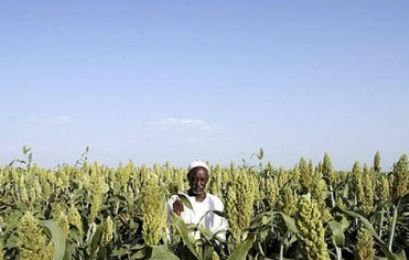
The FAO Crop and Food Supply Assessment Mission (CFSAM) special report revealed that sorghum production in 2023 was estimated at around 3 million tonnes, a 42 percent decrease from 2022 and 34 percent below the average production. Millet output was about 683,500 tonnes, a 64 percent drop from the previous year and 60 percent below the average.
Conversely, wheat production for harvest in March 2024 was forecasted at approximately 377,900 tonnes, a 20 percent decrease from the previous year and 46 percent below the average. The report attributed the substantial decline in cereal production to the impact of the ongoing conflict on agricultural activities, insecurity, limited availability, and high prices of agricultural inputs.
The erratic distribution of seasonal rains with prolonged dry spells in key producing areas also negatively affected yields. Additionally, the high prices of agricultural inputs, caused by limited availability due to conflict-related import reductions and disrupted internal trade flows, led to increased production costs.
Despite a decline in the number of vaccinated animals in 2023, their overall health and body conditions were satisfactory, with no major disease outbreaks reported. Pasture and water availability were generally adequate at the time of assessment, but concerns were raised about their sustainability until the start of the next rainy season in June 2024 due to insufficient rains and conflict-related restrictions on herd movements.
The depreciation of the Sudanese pound continued in 2023 due to high demand for foreign currency to import essential goods that were no longer produced domestically due to conflict-related damages to the industrial sector. This, coupled with conflict-related trade disruptions and shortages of grains, led to a surge in cereal prices in 2023 and a significant increase in the annual inflation rate, constraining households’ purchasing power.
The report called for immediate action to address acute food insecurity, support the recovery of the agriculture sector, increase food production and farmers’ incomes, and enhance efficiency along the value chain to reduce production costs. It emphasized the need for interventions to assist the population most affected by food insecurity and to promote sustainable agricultural practices in Sudan.
Read the original article on Sudan Tribune