Rédaction Africa Links 24 with Expresso das Ilhas
Published on 2024-03-14 09:04:50
Cabo Verde records a considerable increase in patients with chronic kidney failure, with a higher incidence among young people, announced today by Dr. Diva Gandy Brito, in her role as president of the Dialysis Scientific Commission at Agostinho Neto University Hospital.
Dr. Diva Brito spoke to Inforpress on World Kidney Day, celebrated today, March 14, under the theme “Kidney Health, creatinine test for everyone,” which is “exactly” the main form of diagnosis for patients.
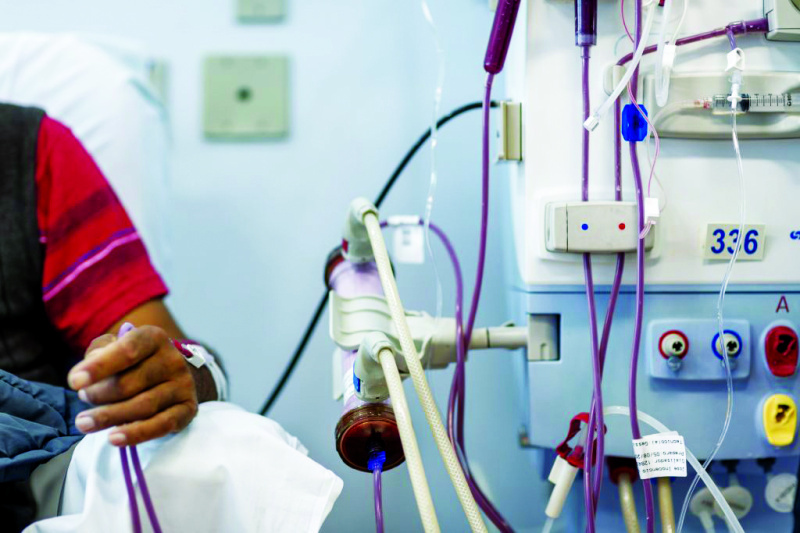
With the increase in patients with kidney failure, according to this expert, there has been an increase in the rate of patients with hypertension and diabetes starting hemodialysis. In Cape Verde, in the two central hospitals, namely Agostinho Neto University Hospital in Praia, and Baptista de Sousa Hospital in Mindelo, there are currently 257 patients undergoing dialysis treatment, with 144 in the capital and 113 in São Vicente.
On a global level, according to Diva Brito, the goal is to have inclusive care policies so that everyone has access to proper diagnosis and treatment.
“In Cape Verde, due to the increase in the prevalence of cases of kidney failure, we need to disseminate more information so that people take different care regarding kidney health,” she emphasized.
The same source stressed the importance of discussing risk factors, how to prevent chronic kidney disease, and the importance of early detection, especially to delay the onset of dialysis.
“The main risk factors we have are hypertension and diabetes, factors that we can control but unfortunately, we are seeing through the results that it has not been possible,” she pointed out.
Regarding kidney transplants aimed primarily at allowing people currently living with chronic kidney disease to have another form of treatment, the president of the Dialysis Scientific Commission mentioned that this has translated into hope for patients, as they hope for its implementation in the country.
“Because kidney disease has a significant impact on the lives of patients at all levels, economically, socially, and within the family, we are hopeful that this will happen in the short term to change this scenario. It is not a cure, but rather another form of treatment,” she highlighted.
However, she recommends lifestyle changes, physical exercise, a healthy diet, drinking plenty of water, reducing salt consumption, undergoing exams, controlling diabetes and hypertension, not smoking, and limiting alcohol consumption.
It is estimated that more than 850 million people worldwide live with chronic kidney disease, which caused more than 3.1 million deaths in 2019. It is currently the eighth leading cause of death and projections indicate an increase in years of life lost by 2040.
Diabetes is one of the main causes of kidney disease since it can damage the structures that filter blood inside the kidneys. In the long term, high blood sugar levels can progress to diabetic kidney disease, which usually does not show symptoms or signs until it reaches an advanced stage.
The goal of this date, created by the World Health Organization (WHO) in 2006, is to raise awareness among the global population about the importance of kidneys in human health and reduce the occurrence of health problems related to kidney disease.
Read the original article(Portuguese) on Expresso das Ilhas


