Rédaction Africa Links 24 with Tiaan de Jager, Dean: Faculty of Health Sciences and Director: UP Institute for Sustainable Malaria Control, University of Pretoria
Published on 2024-02-02 10:37:41
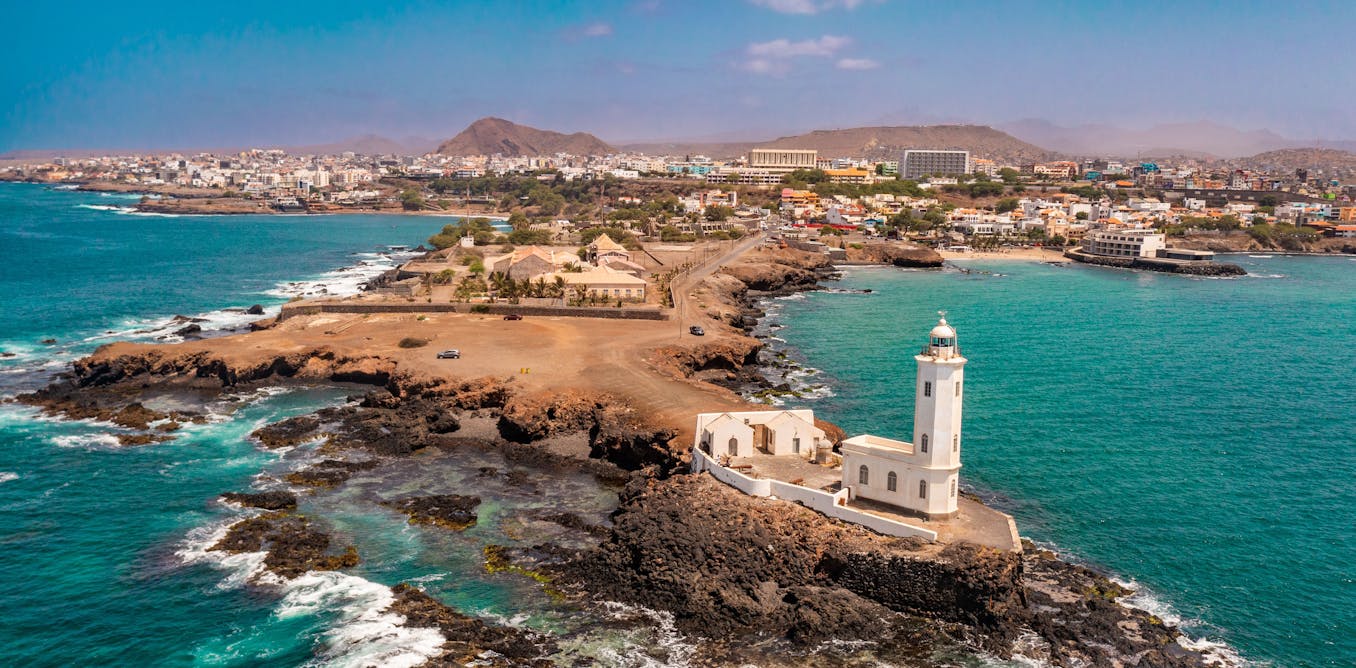
Cape Verde, an archipelago consisting of 10 islands and with a population of over 500,000, has been declared malaria-free by the World Health Organization. This makes Cape Verde the third country in Africa to achieve this status after Mauritius and Algeria. The achievement brings the total of malaria-free countries worldwide to 43.
The journey to eliminating malaria in Cape Verde was a long and challenging one. Malaria, which had been endemic since the 15th century, affected all 10 islands until targeted interventions were implemented. Indoor residual spraying with DDT was undertaken on each island until transmission ended nationwide in 1967. However, there were setbacks, including a recurrence of local transmission in 1973 and a large epidemic in 1977. The country made a second attempt to eliminate malaria in 1978, achieving transmission interruption in 1983. However, rising cases threatened tourism by 2006, prompting a political decision to boost nationwide elimination efforts. A strategy adjustment was made in response to a malaria outbreak in 2017, leading to the successful interruption of transmission for four years.
To achieve malaria-free certification, countries must meet the WHO’s stringent criteria, including zero indigenous transmitted cases for at least three consecutive years and the ability to prevent the reintroduction of disease transmission. It is a significant milestone that highlights a nation’s determination and commitment. To maintain malaria-free status, countries must continue to prevent transmission and submit annual reports to the WHO.
The success of Cape Verde in eliminating malaria is expected to drive positive development in the country, particularly in the tourism sector, which accounted for a substantial share of the country’s GDP and the majority of foreign investment pre-COVID. The infrastructure established for malaria elimination has also strengthened the country’s health system, making it more resilient against other mosquito-borne diseases such as dengue fever.
Cape Verde’s achievement serves as a call to action for the global malaria elimination efforts, demonstrating that with determination and persistence, it is possible to end malaria for good.


