By Africa Links 24
Published on 2024-02-28 17:10:23
Water scarcity is a pressing issue in Africa due to the impact of climate change, which is leading to rising temperatures and more frequent droughts. Approximately one third of Africa’s population is already affected by water shortages, according to the World Health Organization. This problem is expected to worsen in the future as population growth and development put further pressure on water resources, especially in coastal areas.
Desalination, the process of turning salty water into drinkable water, is gaining attention as a potential solution to water scarcity in Africa. While desalination is already widely used in water-stressed regions like the Gulf, it is an expensive process with environmental implications. The high energy consumption and disposal of concentrated brine are major drawbacks of traditional desalination methods.
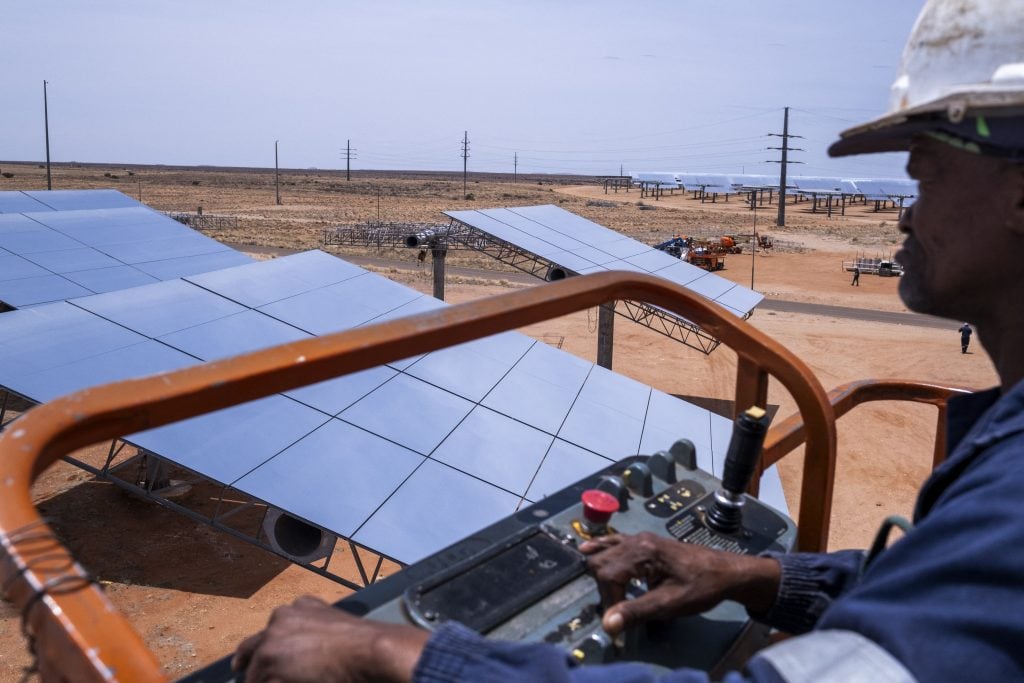
To address these challenges, some developers are exploring decentralized desalination solutions that are more energy-efficient and environmentally friendly. One example is Elemental Water Makers, a Dutch company that operates solar-powered desalination facilities in Africa. By utilizing solar energy and recycling brine, Elemental Water Makers is able to reduce energy consumption and mitigate environmental impacts. These smaller-scale desalination projects are particularly suitable for remote areas with limited access to grid electricity.
The trend towards off-grid solar-powered desalination reflects a broader shift in Africa towards decentralized and renewable energy solutions. Elemental Water Makers serves a variety of customers, from NGOs providing water access to remote communities to tourist resorts requiring a reliable water supply. The company’s goal is to reach 10 million people by 2030, highlighting the increasing demand for sustainable water solutions in Africa.
In addition to decentralized projects, large-scale desalination facilities are also being considered in countries like South Africa and Morocco. Investors, including development finance institutions, are showing interest in desalination as a way to support water access goals outlined in the Sustainable Development Goals. However, the high costs and environmental impacts of desalination necessitate careful consideration and prioritization of the technology.
While desalination shows promise as a solution to water scarcity in Africa, there are still challenges to overcome. Limited private sector capacity and technical expertise remain obstacles to widespread adoption of desalination technology. Organizations like Oxfam are experimenting with small-scale desalination projects in sub-Saharan Africa to assess the feasibility and cost-effectiveness of the technology. Community engagement and sustainable management models are crucial for the success of these projects.
Desalination is not a panacea for Africa’s water scarcity challenges, but it can play a significant role in ensuring access to clean water, particularly in coastal regions. As the impacts of climate change continue to intensify, the importance of sustainable water solutions like desalination will only increase in the years to come. It is essential for stakeholders to work together to promote responsible and effective desalination practices in Africa.