Rédaction Africa Links 24 with Arnaud Nicolas MAWEL
Published on 2024-03-05 09:29:49
Representatives from African and Indian venus, the representatives of these States are taking part in the ministerial conference on malaria.
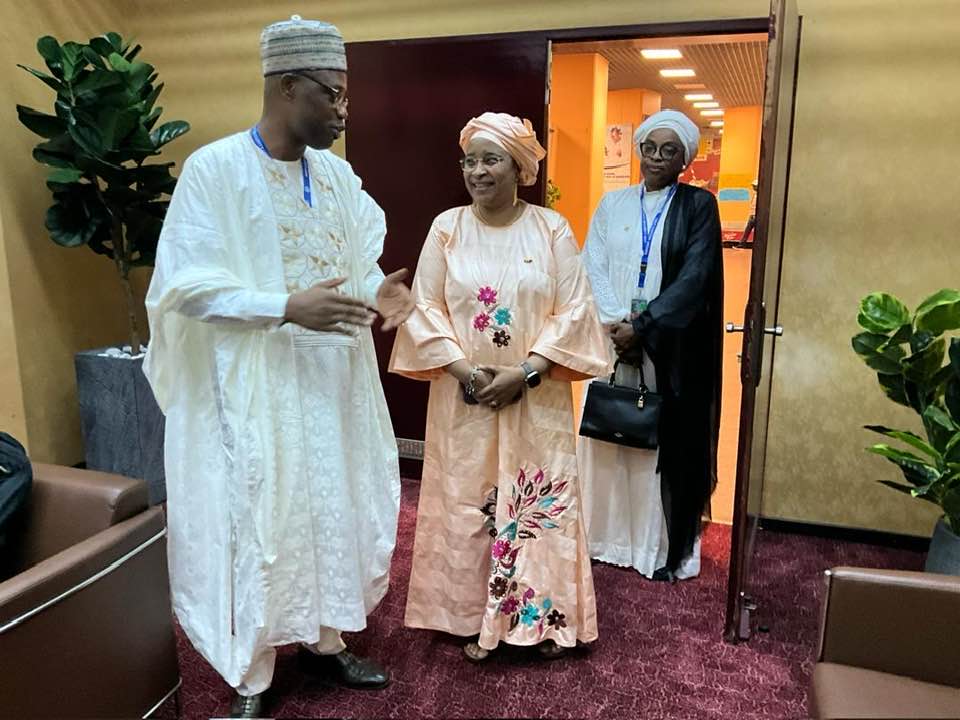
Since last Monday, the Cameroonian capital has been hosting delegations from other countries to participate in the ministerial conference on malaria. This Tuesday morning, the Minister of Public Health of Cameroon, Malachie Manaouda, welcomed the Minister of Health of Mali. Dr. Colonel Alissa Badialo Touré arrived in Cameroon at the Yaoundé Nsimalen International Airport. The cardiologist arrived after experts from 12 countries and other personalities including the regional director of the WHO for Africa, Dr. Matshidiso Moeti, who has been present in Yaoundé since Monday.
All are converging in the city of seven hills for the ministerial conference on malaria, which will be held on Wednesday, March 6, 2024. Organized by the World Health Organization, the meeting focuses on “combating malaria in countries most affected by the disease”. Participants come from Cameroon, Mali, Burkina Faso, the Democratic Republic of Congo, Sudan, Niger, Mozambique, Nigeria, Uganda, India, and the United Republic of Tanzania.
According to the WHO, 608,000 people lost their lives in 2022 due to malaria in Africa. To reverse this trend, this international conference aims to strengthen political and financial commitments for an accelerated response to malaria in countries with a high burden. This approach aims to achieve the 2030 goals of the Global Technical Strategy for Malaria 2016-2030.
To support these initiatives, representatives from funding agencies, philanthropic organizations, global malaria advocates, civil society, among others, will take part in the discussions. There will also be an evaluation of the progress made in the fight against malaria. Assessing risks such as insecticide and drug resistance, access to quality care, is also on the agenda.
Read the original article(French) on Journal du Cameroun