Rédaction Africa Links 24 with Burundi Times
Published on 2024-03-05 10:18:49
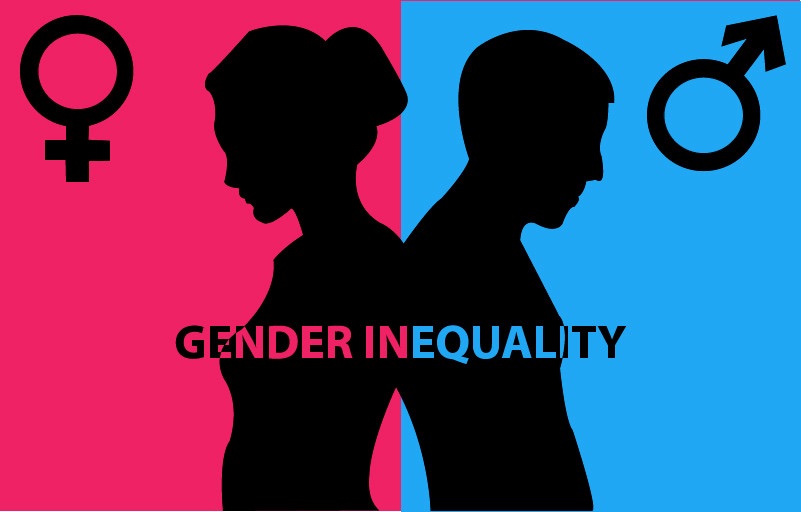
Women around the world are facing a significant gender gap in terms of rights and opportunities, according to a recent report from the World Bank Group. The report reveals that women enjoy less than two-thirds of the legal protections that men do, a far lower percentage than previously estimated. This disparity is evident in all countries, including the wealthiest economies, where women are not provided with equal opportunities in the workplace.
The report, titled Women, Business and the Law, analyzes the gap between legal reforms and actual outcomes for women in 190 economies. It shows that although laws may imply equal rights for both genders, many countries have not put in place the necessary systems for full implementation. For example, while 98 economies have enacted laws mandating equal pay for equal work, fewer than one out of every five have adopted measures to address the pay gap, such as pay transparency or enforcement mechanisms.
The effective implementation of equal-opportunity laws depends on a strong supporting framework, including enforcement mechanisms, systems for tracking gender-related pay disparities, and access to healthcare services for women who survive violence. The report emphasizes the urgent need to reform laws and enact public policies that empower women to work and start businesses on an equal footing with men.
One of the standout countries identified in the report is Togo, which enacts laws giving women 77% of the rights available to men. However, Togo has only established 27% of the systems needed for full implementation. The report also highlights the lack of legal protections for women’s safety, with the global average score for women’s safety being only 36, meaning women have access to only a third of the needed legal protections against domestic violence, sexual harassment, and other forms of gender-based violence.
In the area of entrepreneurship, women face significant obstacles, with only one in every five economies mandating gender-sensitive criteria for public procurement processes. This exclusion of women from economic opportunities has a significant impact on the global economy, worth approximately $10 trillion annually.
The lead author of the report, Tea Trumbic, emphasizes the importance of increasing women’s economic participation, stating that it is not just unfair but also wasteful to sideline half of the population. Women’s participation in the workforce is key to amplifying their voices and shaping decisions that affect them directly. The report calls on governments to accelerate efforts to reform laws and enact policies that empower women in the workplace and in business.
In conclusion, the World Bank report highlights the urgent need to address the gender gap in legal protections and opportunities for women. Gender equality in business and the law is not just a matter of fairness but also essential for overall economic growth and development. By taking concrete steps to empower women in the workforce and in business, countries can unlock the full potential of their populations and drive sustainable development for all.
Read the original article on Burundi Times