Rédaction Africa Links 24 with Burundi Times
Published on 2024-03-29 12:34:35
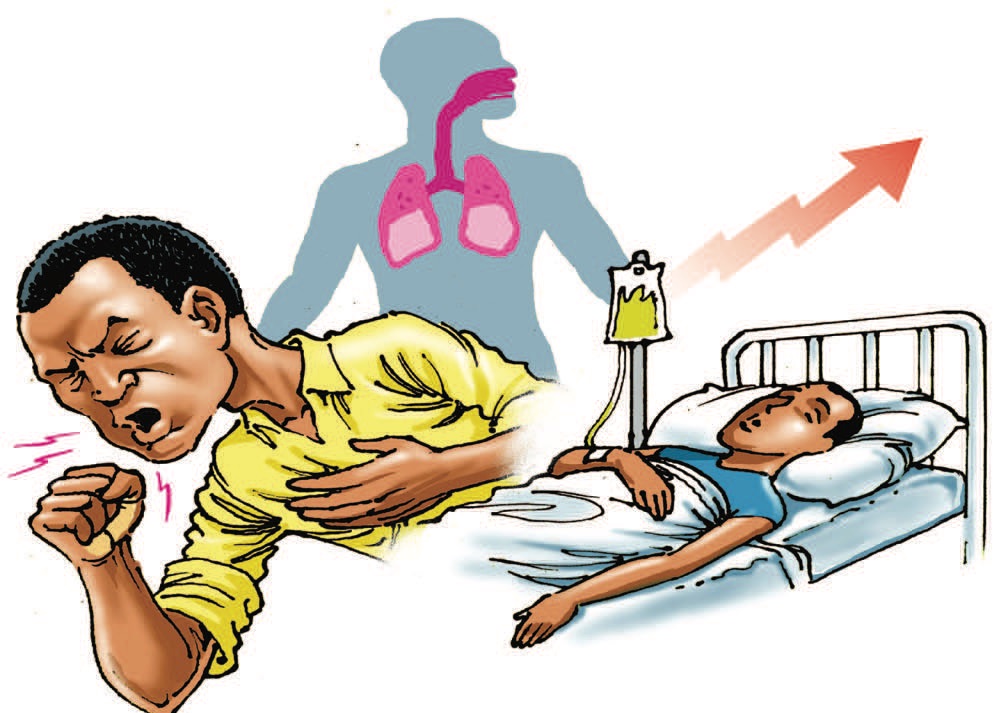
Tuberculosis continues to be a major public health issue in Burundi, affecting thousands of individuals each year. Jean Paul, a 28-year-old man, shares his experience of being diagnosed with tuberculosis after experiencing symptoms such as discomfort, pain, and a persistent cough. In 2023, Burundi reported 7,940 cases of tuberculosis, highlighting the prevalence of this disease in the country.
Dr. Osias Ntahombaye, the Director of the Anti-tuberculosis Center in Bujumbura, explains that the persistence of tuberculosis in Burundi is due to various contributing factors such as poverty, tobacco use, alcohol consumption, diabetes, HIV infection, and malnutrition. To address this issue, the Ministry of Public Health and the Fight against AIDS has decentralized treatment centers across the country, providing care for approximately 57,000 inhabitants per unit.
Treatment at anti-tuberculosis centers in Burundi follows the international standards set by the World Health Organization (WHO), with a focus on directly observed therapy. Dr. Ntahombaye notes that the recovery rate for tuberculosis patients in these centers is high, with minimal cases of treatment abandonment.
In line with the global strategy to “End TB by 2030,” Burundi faces certain challenges in its fight against tuberculosis, including under-reporting of cases, particularly in children, and the lack of systematic use of diagnostic tools like the GeneXpert device. To overcome these challenges, WHO supports the training of healthcare workers and conducts external evaluations of the tuberculosis control program to guide strategic planning.
Despite these challenges, Burundi has made significant progress in the treatment of tuberculosis. In 2023, the country achieved a 95% therapeutic success rate, reduced tuberculosis-related deaths by 16%, and decreased tuberculosis incidence by 45%. Dr. Joselyne Nsanzerugeze, Director of the National Integrated Tuberculosis Control Program, attributes this success to various measures including decentralized treatment, availability of medicines, community involvement, and continuous capacity building of healthcare providers.
Dr. Denise Nkezimana, Manager of the TB/HIV/Hepatitis program at the WHO Office in Burundi, highlights the country’s assets in eradicating tuberculosis, including government commitment, support from partners, and integration of tuberculosis services into primary healthcare. To further enhance the fight against tuberculosis, Dr. Nkezimana emphasizes the importance of prevention strategies and prompt treatment for individuals showing symptoms of the disease.
Jean Paul, who is on the path to recovery from tuberculosis, stresses the importance of seeking medical help promptly and adhering to treatment guidelines. He emphasizes that tuberculosis can be cured, and treatment is available free of charge. By raising awareness, improving access to care, and maintaining effective prevention policies, Burundi aims to continue its progress towards eliminating tuberculosis as a public health threat.
Read the original article on Burundi Times