Rédaction Africa Links 24 with The Africa Links 24
Published on 2024-02-28 11:08:41
With its rich cultural heritage and vibrant communities, Botswana finds itself at a pivotal moment where the nurturing of its cultural identity is essential for its growth and development. In this article, we explore the absence of crucial cultural pillars in the nation and discuss how they can be established to promote cultural preservation, artistic expression, and economic prosperity.
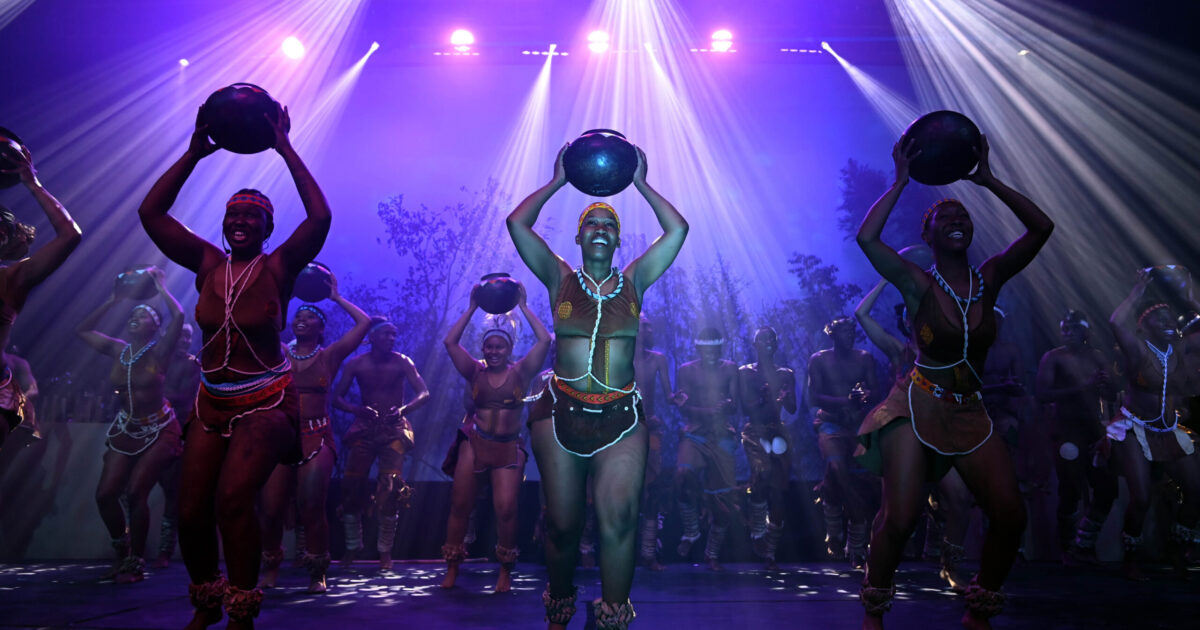
Culture serves as the beating heart of society, reflecting its values, traditions, and aspirations. In Botswana, where diverse ethnic groups coexist harmoniously, cultural expression acts as a bridge that connects communities and fosters a sense of national unity. However, the absence of foundational pillars such as a national art gallery, theatre, orchestra, and higher degrees in the fine arts, music, and literature hampers the nation’s journey towards self-discovery and global recognition.
Establishing a national art gallery would provide a platform for local artists to showcase their talent and preserve the nation’s artistic legacy. A national theatre would offer a space for artistic experimentation, storytelling, and community engagement, while a national orchestra would harness the transformative power of music to enrich lives and bridge cultural divides. Additionally, introducing higher degrees in the arts disciplines would nurture a new generation of cultural leaders and contribute to the nation’s cultural landscape.
Investing in cultural infrastructure and education is not only a matter of cultural preservation but also a human right. Culture shapes identities, fosters social cohesion, and contributes to economic prosperity. By prioritising the development of cultural institutions and integrating arts education into school curricula, Botswana can unlock its creative potential, empower its citizens, and position itself as a hub of artistic innovation and cultural exchange on the global stage.
Furthermore, embracing and celebrating cultural diversity can serve as a catalyst for social transformation, fostering mutual respect, understanding, and reconciliation in a rapidly changing world. Cultural diplomacy can also be utilised as a tool for economic development by showcasing Botswana’s artistic talents on the international stage, attracting foreign tourism, investment, and trading partners.
Investing in cultural initiatives not only stimulates economic growth but also revitalises communities, enhances social cohesion, and improves mental health and well-being. Arts education cultivates creativity, critical thinking, and problem-solving skills among the youth, preparing them for diverse careers and contributing to a competitive workforce. Cultural districts and creative clusters become catalysts for urban renewal, driving up property values and attracting investment in infrastructure and amenities.
To propel Botswana forward on its cultural journey, strategic planning, institutional support, and sustainable funding mechanisms must be established. The government should prioritise the development of cultural infrastructure, establish dedicated cultural institutions, and invest in arts education. Various funding sources, including government budgets, cultural funds, public-private partnerships, and tourism initiatives, can be explored to support cultural endeavours and generate revenue for cultural development.
In conclusion, by investing in cultural preservation, artistic expression, and economic prosperity, Botswana can unlock its creative potential, empower its citizens, and position itself as a vibrant hub of artistic innovation and cultural exchange on the global stage. Embracing and celebrating cultural diversity can serve as a catalyst for social transformation, fostering mutual respect, understanding, and reconciliation in a rapidly changing world. The time is now for Botswana to establish its cultural pillars and showcase its rich cultural heritage to the world.
Read the original article on Gazette News