Rédaction Africa Links 24 with The Africa Links 24
Published on 2024-03-06 09:40:30
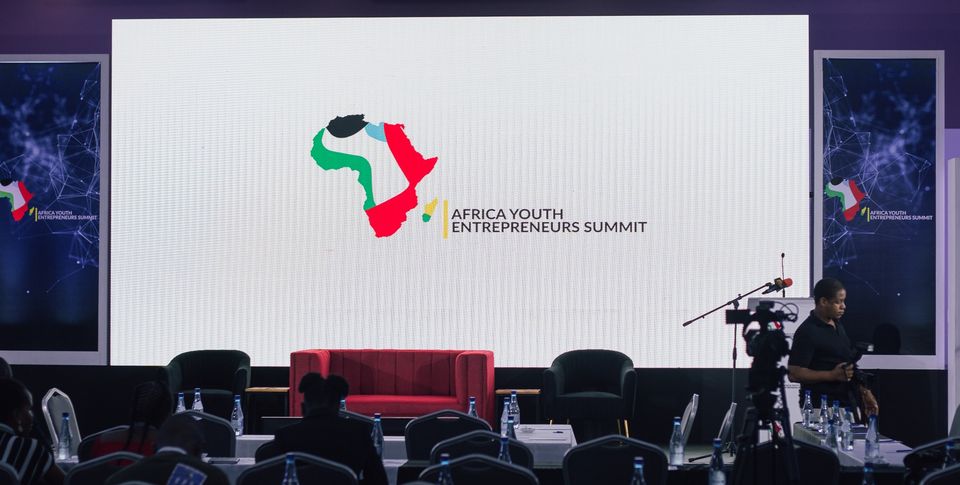
In the modern era, the fashion industry has experienced a significant transformation with the rise of e-commerce and e-marketing. This shift has been beneficial for many local fashion entrepreneurs, as discussed at the recent “Africa Youth Entrepreneurs (AYES) Summit: Creatives Edition.” During the event, a panel of local fashion design creatives shared their insights on utilizing online marketing spaces and digital platforms to enhance their businesses.
The theme of the 6th edition of AYES was “Advancing Creative Industries in the Digital Economy,” and it provided a platform for entrepreneurs to discuss the impact of e-commerce on their brands. Emmanuel Kayenda, the founder of Batho Fashion Week, emphasized the importance of e-commerce in connecting creators to the global market. He highlighted the cost-effectiveness of online platforms compared to traditional brick-and-mortar stores, especially for startup businesses.
One of the success stories shared at the summit was that of the local fashion brand “Glotto,” created by Mboko Basiami. Basiami utilized various online platforms such as Skymart.bw, Facebook, Instagram, Tik Tok, Youtube, Twitter, and WhatsApp to promote her brand. She also obtained the Brand Botswana mark to establish the authenticity of her locally made products. Despite the challenges of limited digital literacy in Botswana, Basiami acknowledged the importance of online presence in reaching a global audience.
However, Basiami also recognized the need for a hybrid approach to marketing, incorporating both online and offline strategies. She emphasized the value of influencers in promoting her brand but highlighted the importance of authenticity over follower count. By collaborating with influencers who resonate with her brand, such as music artists Dato Seiko and Mpho Sebina, Basiami was able to reach a wider audience and increase brand awareness.
Another entrepreneur, Molefi Nkwete, shared his experiences with the Urban Soul brand and the evolution of social media in the fashion industry. Nkwete emphasized the importance of utilizing social media platforms to expand visibility and reach customers in different locations. Despite the benefits of online marketing, Nkwete also stressed the significance of maintaining a physical store presence, particularly in a developing economy like Botswana.
Influencers played a crucial role in the success of Urban Soul, with Nkwete selecting influencers who aligned with the brand’s values and resonated with their target audience. He highlighted that influencers come in various forms and not just flashy personalities on social media. By leveraging the influence of local artists and cultural moments, Urban Soul was able to create authentic connections with their customers and generate exposure for their brand.
Overall, the discussions at the AYES Summit highlighted the importance of aligning with the right influencers, utilizing a mix of online and offline marketing strategies, and embracing the opportunities presented by the digital economy. By recognizing the unique challenges and opportunities in the fashion industry, entrepreneurs in Botswana can leverage e-commerce and e-marketing to enhance brand visibility, reach new markets, and drive business growth.
Read the original article on Gazette News