Rédaction Africa Links 24 with The Africa Links 24
Published on 2024-03-06 17:07:38
Hydroponics offers a sustainable solution to address food security in Botswana, especially in the face of recurring droughts and climate uncertainties. As the country grapples with its 17th officially declared drought since 1966, traditional agricultural methods are proving to be insufficient in the arid climate. Therefore, a paradigm shift towards hydroponic cultivation is essential to secure Botswana’s food future.
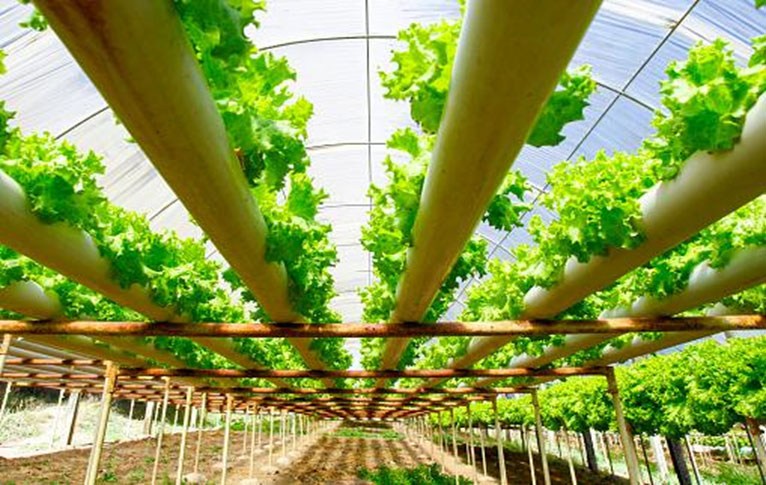
Hydroponics involves growing plants without soil in nutrient-rich water, making it a game-changing opportunity for Botswana. Unlike traditional farming that relies heavily on soil and is vulnerable to erratic weather changes, hydroponics transcends geographical limitations. Its controlled environment allows for year-round cultivation, regardless of external conditions, making it particularly well-suited for Botswana’s dry climate.
One of the most significant advantages of hydroponics is its remarkable water efficiency. In a country where water scarcity is a constant concern, traditional field irrigation methods are unsustainable. Hydroponic systems use up to 90% less water compared to conventional farming, reducing the impact of droughts and alleviating pressure on existing water supplies. This water conservation not only helps mitigate the effects of droughts but also ensures water availability for other essential needs.
Furthermore, hydroponic cultivation provides significantly higher yields than traditional farming methods. With optimal growing conditions controlled, plants thrive and produce abundant harvests consistently. This increased productivity has the potential to enhance food production in Botswana and reduce dependency on imports.
In addition to fruits and vegetables, hydroponics also offers the opportunity to address the production of livestock fodder. Green fodder is essential for the health and productivity of livestock but is often scarce during prolonged droughts. Hydroponic systems can efficiently produce nutritious fodder crops such as barley, maize, and alfalfa, ensuring a sustainable food source for livestock year-round. By integrating hydroponic fodder production into agricultural practices, Botswana can safeguard its livestock industry and support rural livelihoods.
Moreover, hydroponics provides environmental benefits by eliminating the need for chemical pesticides and fertilisers, reducing environmental pollution and the ecological footprint of agriculture. These systems can also be designed using renewable energy sources like solar power, further reducing their carbon footprint and contributing to Botswana’s efforts to combat climate change.
To fully realise the potential of hydroponics in Botswana, strategic investment and supportive policies from decision-makers are crucial. Government initiatives to incentivise hydroponic farming through subsidies, technical assistance, and research funding can stimulate widespread adoption and facilitate knowledge transfer among farmers. Collaboration with international organisations, research institutions, and private sector partners can accelerate the development and dissemination of hydroponic technologies tailored to Botswana’s unique context.
Education and awareness campaigns are also essential to build trust in hydroponic farming among stakeholders. Showcasing successful case studies and demonstrating the tangible benefits of hydroponics can garner support from farmers, communities, and investors. Training programmes and capacity-building initiatives can empower local farmers with the skills needed to transition to hydroponic cultivation successfully.
In conclusion, hydroponic cultivation holds immense promise for Botswana’s quest for food security and sustainable development. By harnessing the water-saving advantage, productivity gains, and environmental benefits of hydroponics, Botswana can transform its agricultural sector and build a resilient food system for the future. Embracing hydroponics as a cornerstone of Botswana’s sustainable development agenda is essential for the well-being of current and future generations dependent on a thriving agricultural sector. The time to act is now.
Read the original article on Gazette News


