By Africa Links 24
Published on 2024-04-06 03:00:00
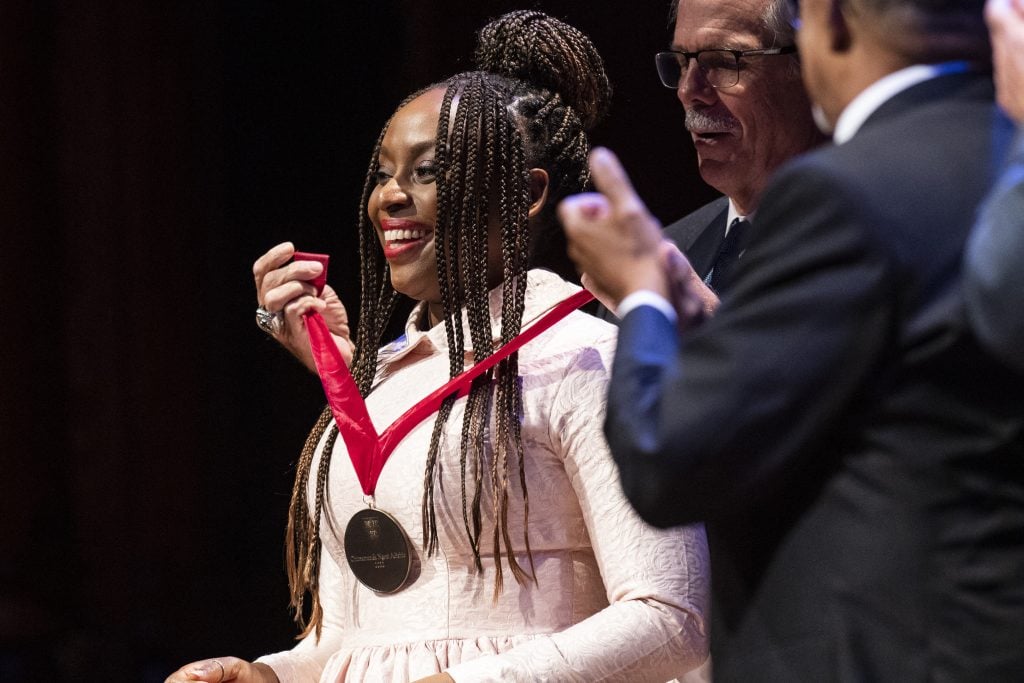
Chimamanda Ngozi Adichie’s debut novel, Purple Hibiscus, burst onto the world literary stage just over 20 years ago, receiving critical acclaim and accolades such as shortlistings for the Orange Prize for Fiction and the Commonwealth Writers’ Prize for Best First Book. This marked a significant shift in the representation of African voices in literature, as the novel told the story of a Nigerian girl navigating family tensions and societal expectations with compelling narrative and exploration of complex themes. Adichie’s later best-selling novels like Half of a Yellow Sun (2006) and Americanah (2013) also garnered multiple prestigious awards.
Adichie’s storytelling prowess captivated readers globally and paved the way for more African authors to share their stories with international audiences. The growing success of novels by African-origin authors, whether born on the continent or from the diaspora, can be attributed to Adichie’s legacy. Nigerian-British novelist Oyinkan Braithwaite’s My Sister, the Serial Killer, for example, achieved global recognition, winning awards and accolades, much like Purple Hibiscus did. Zanzibar-born writer Abdulrazak Gurnah even won the Nobel Prize in Literature in 2021 for his profound exploration of colonialism and the refugee experience. South African author Damon Galgut also won the prestigious Booker Prize in 2021 for his novel The Promise.
The acclaim for talented African authors continues to grow, with works like Ayobami Adebayo’s A Spell of Good Things and Caleb Azumah Nelson’s Small Worlds shortlisted for the prestigious Dylan Thomas Prize in 2024. Farai Mudzingwa’s Avenues by Train, a coming-of-age story set in modern Zimbabwe, has also been recognized and shortlisted for the Republic of Consciousness Prize. These authors are making waves in the literary world, thanks in part to publishing companies like Cassava Republic Press, founded by Bibi Bakare-Yusuf, that provide a platform for African voices to be heard.
The rise of the internet and social media has played a crucial role in amplifying the voices of African authors and connecting them with readers worldwide. Authors like Ayobami Adebayo have gained immense popularity through platforms like TikTok’s BookTok community, engaging with global audiences and sharing insights into their work. This newfound visibility and accessibility have helped African literature gain traction and recognition on a global scale.
In contrast to earlier Western portrayals of Africa, African authors are reclaiming their narratives and pushing back against colonial literature. Works like things Fall Apart by Chinua Achebe and The Famished Road by Ben Okri have paved the way for a new generation of African writers who seek to explore their cultures and histories on their terms. Authors like Farai Mudzingwa aim to rewrite colonial texts and explore themes of spirituality and modernity in their work.
Despite the successes enjoyed by African authors, there is still a long way to go in terms of recognition and representation in the global literary canon. Authors like Taiye Selasi believe that the true potential of African literature has yet to be fully realized due to factors like lack of education and opportunities. However, the power of social media and online platforms has provided a unique opportunity for African authors to share their stories and connect with readers on a global scale, inspiring the next generation of writers to make their mark on the literary world.