Rédaction Africa Links 24 with Daniel Oladimeji Oluwayelu, Professor of Veterinary Microbiology, University of Ibadan
Published on 2024-03-22 16:10:25
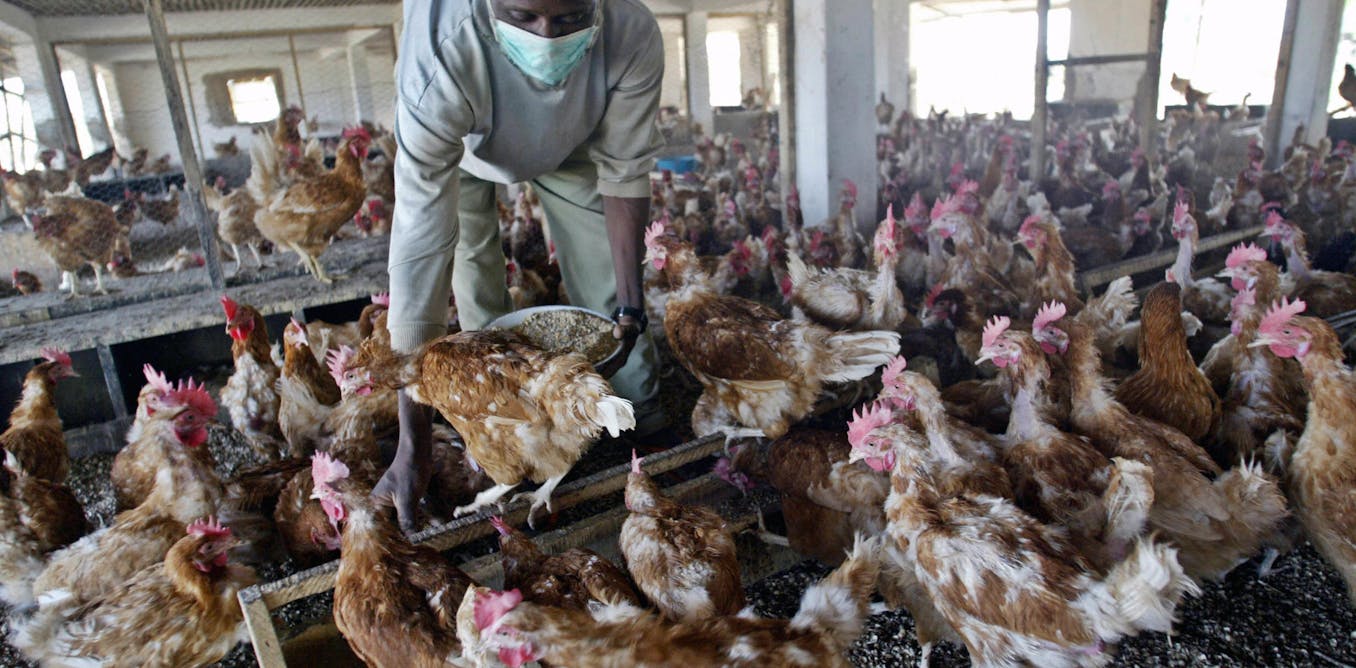
An outbreak of H5N1 bird flu in Ouagadougou, Burkina Faso’s capital, has resulted in the death of 441 chickens out of a flock of 641 on a farm. This viral disease, also known as avian influenza, has been a recurring issue across Africa over the past 18 years, with Nigeria reporting the first outbreak in February 2006.
Avian influenza, or bird flu, is a highly contagious viral disease caused by influenza A viruses that primarily affects birds. Originating as far back as 1878 in Italy, this disease can also infect other animals such as ducks, chickens, turkeys, and even mammals like pigs, whales, and cats. Infection in humans can range from mild, flu-like symptoms to severe respiratory diseases with potentially fatal outcomes.
Domestic poultry can be infected with two types of bird flu viruses – highly pathogenic avian influenza (HPAI) A viruses or low pathogenic avian influenza (LPAI) A viruses. Outbreaks of the highly pathogenic form have been linked to sub-types H5 and H7, causing rapid spread and high mortality rates in poultry flocks. On the other hand, low pathogenic viruses may exhibit mild symptoms or no symptoms at all.
The transmission of avian influenza A viruses occurs primarily through infected birds shedding the virus in their saliva, mucus, and feces. The virus spreads through direct contact with infected birds or indirectly through contaminated feed and water sources. While most bird flu viruses are of low pathogenicity, they can mutate into highly pathogenic strains, posing significant health risks and mortality rates in animals and humans.
Efforts to prevent the spread of bird flu include practicing biosecurity measures on farms, avoiding contact with infected poultry or wild birds, and maintaining strict hygiene practices. Vaccination is restricted in many countries and not always a viable prevention method. Controlling the spread of bird flu involves destroying infected birds, avoiding contact with bird secretions, and educating those involved in the poultry value chain on disease risks and protective measures.
It is essential for the public to be informed about the risks of bird flu, avoid contact with sick animals, report unusual bird deaths, and practice good hand hygiene to prevent infection. Strict control measures and education efforts are crucial in mitigating the impact of bird flu outbreaks and protecting both animal and human health.


