By Africa Links 24
Published on 2024-03-14 15:08:13
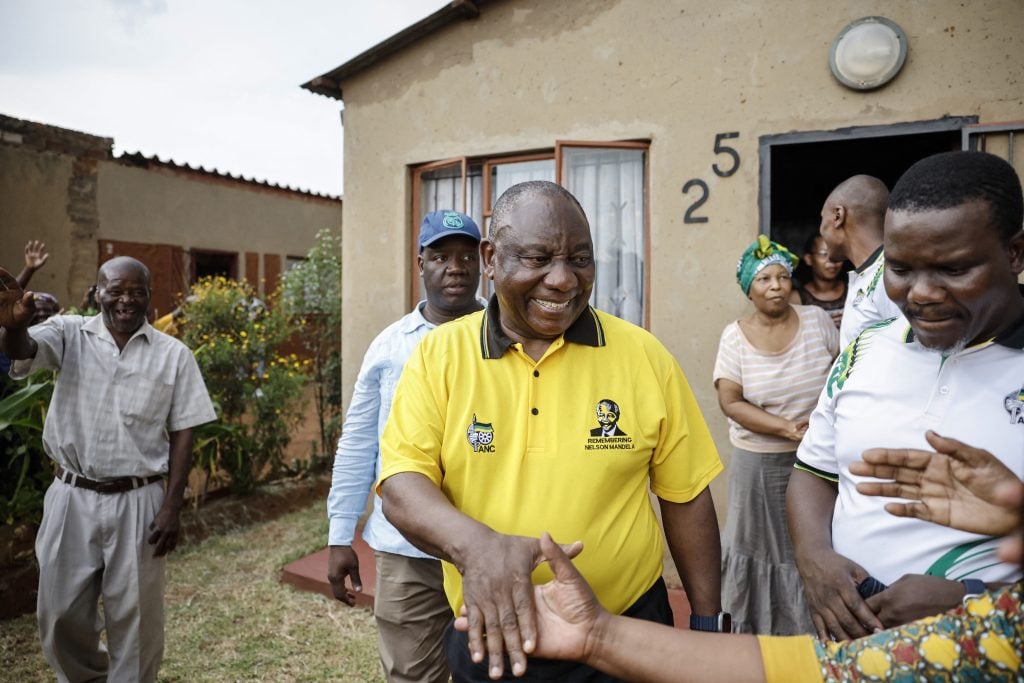
South Africans are gearing up for the upcoming election on 29 May, which is anticipated to be the closest since the end of apartheid. The issue of power is expected to dominate the campaign as the ruling African National Congress (ANC) faces challenges in securing the support of 50% of voters due to the ongoing power crisis.
For the past three decades, the ANC has been the dominant political force in South Africa, consistently winning parliamentary majorities since 1994. However, the recent collapse of the country’s electricity system has eroded public confidence in the party. A poll conducted last May revealed that 24% of former ANC supporters planned to switch their votes if the issue of load shedding was not addressed.
As a result, there is a possibility that the ANC may need to form a coalition government with smaller parties, such as the Economic Freedom Fighters (EFF), to stay in power. Alternatively, the Democratic Alliance, the main opposition party, could potentially form a coalition to remove President Cyril Ramaphosa from office.
The power crisis, characterized by frequent power cuts known as load shedding, has become a major concern for South Africans. Despite efforts to address corruption and restore investor confidence under Ramaphosa’s leadership, the failure to provide consistent electricity has overshadowed any progress made. The neglect of the country’s electricity infrastructure and mismanagement at Eskom, the state-owned utility, have contributed to the current crisis.
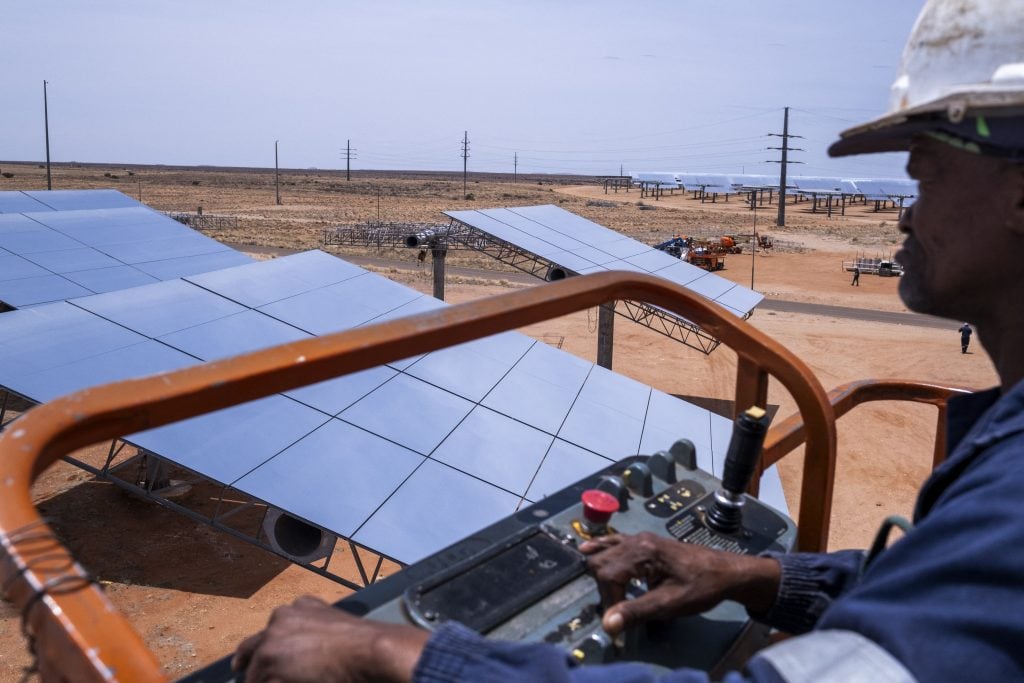
Under Ramaphosa, measures have been taken to reform the energy sector and attract independent power producers for alternative energy generation. Rooftop solar capacity has increased, leading to some improvement in the load shedding situation. However, the long-term solution requires significant investment and structural changes in the energy sector.
If the ANC’s support falls below 50%, coalition arrangements will come into play, potentially causing policy stagnation and governance challenges. The EFF, known for its radical policies, could influence energy policies if it enters a coalition government. However, the likelihood of the party implementing its extreme policies is questionable due to constitutional limitations.
The next government, whether led by the ANC or a coalition, will face the daunting task of resolving the energy crisis and revitalizing the economy. Private sector investment will be crucial in expanding electricity infrastructure and connecting new generation projects to the national grid. Grid constraints and transmission issues must be addressed to ensure the success of renewable energy projects and ultimately end load shedding.
In conclusion, the upcoming election will shape the future of South Africa’s energy sector and economy. The challenges ahead require collaborative efforts and decisive action from the government to overcome the longstanding issues plaguing the country. The next president and energy minister will play a critical role in steering the country towards a sustainable energy future.