Rédaction Africa Links 24 with ania.b
Published on 2024-03-17 15:27:29
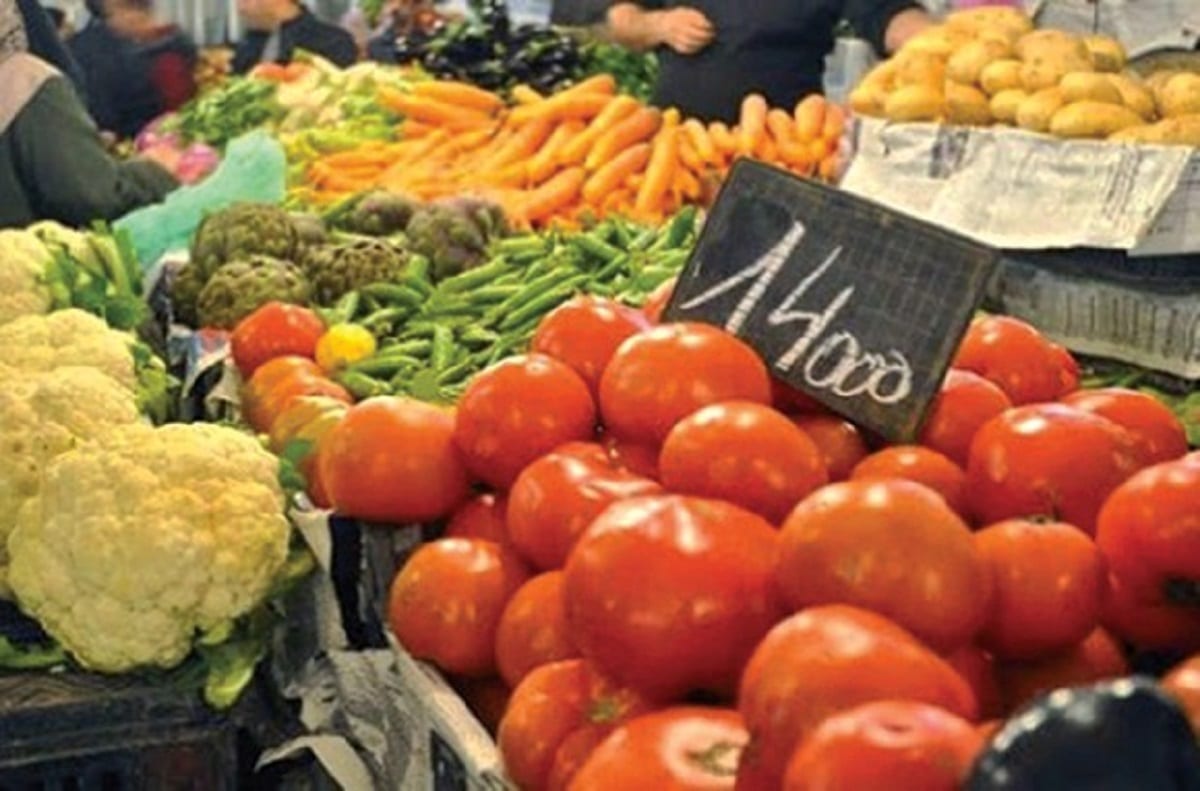
The President of the National Association of Merchants and Artisans, Hadj Tahar Boulnouar, notes a significant decrease in the prices of fruits and vegetables at the end of the first week of Ramadan. Compared to the first day of the holy month, the decrease reaches 20% per kilogram.
According to Boulnouar, several reasons explain this price decrease in the fruits and vegetables market. Firstly, there is stability in demand, as well as the cancellation of weekly market closures. Furthermore, an abundance of supply is observed, especially with the arrival of additional quantities of agricultural products from desert regions such as Biskra, Ouargla, and Aïn Salah.
For the beginning of the second week of Ramadan, here are the average prices of some products, according to the same speaker: tomatoes at 110 DZD, potatoes at 70 DZD, zucchinis at 40 DZD, lettuce at 100 DZD, carrots at 60 DZD, sweet peppers at 160 DZD, beets at 60 DZD, oranges at 120 DZD, apples at 290 DZD, and bananas at 350 DZD.
It is clear that these figures reflect a downward trend in the prices of essential products for consumers during the fasting month. This decrease is the result of a combination of favorable factors, including abundant supply and stable demand.
Encouraging prospects for consumers
This price decrease is good news for households, who see their purchasing power increase during Ramadan. Lower prices of fruits and vegetables allow families to better manage their budget and enjoy fresh and healthy products during this holy month.
In addition to the benefits for consumers, this price decrease can have a positive impact on the local economy. By encouraging the consumption of local products, it supports local farmers and merchants, thereby strengthening the regional economy.
In conclusion, the decrease in the prices of fruits and vegetables at the beginning of Ramadan is encouraging news for consumers. This situation highlights the importance of supply and demand stability in determining prices in the market. Let’s hope that this downward trend will continue for the benefit of all.
Read the original article(French) on Algerie 360