Rédaction Africa Links 24 with Amina Aouadi
Published on 2024-02-21 19:43:31
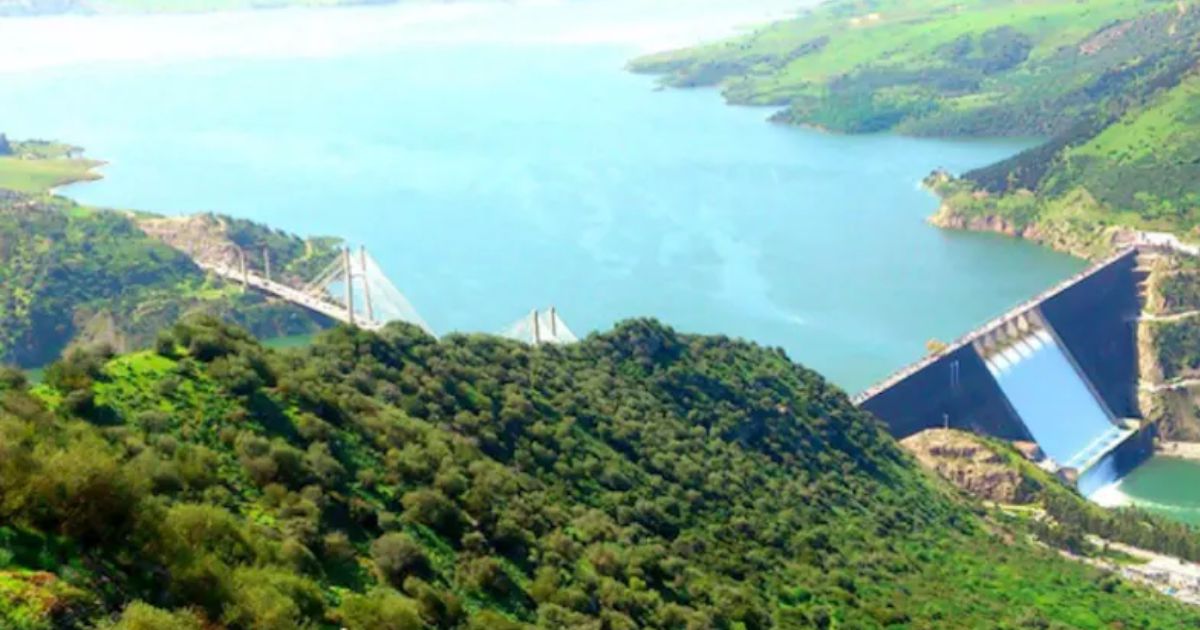
The recent precipitation has had a significant impact on the filling level of the dams in Algeria. According to Mustapha Seddiki, chief of staff of the Ministry of Hydraulics, the national fill rate has reached 35.90%, representing a slight surplus of 1.9% compared to January of last year.
However, despite this slight improvement, significant regional disparities remain. In the East of the country, the filling rate stands at 60.87%, in stark contrast to the modest 18.50% and 17.50% recorded in the Center and the West, respectively.
This situation highlights the persistent challenges facing the nation, especially as the summer of 2023 was characterized by severe drought conditions, putting a strain on the country’s water reserves.
An insufficient winter contribution, time for sustainable solutions
Thus, while the recent precipitation offers some respite, it is not enough to meet the long-term water needs.
In the face of this worrying reality, it becomes imperative to implement proactive measures to ensure the country’s water security.
In this regard, Professor Malek Abdesselam, a specialist in hydrogeology, proposes concrete solutions. His approach focuses on maximizing the retention of rainwater to better cope with future droughts.
He thus recommends the construction of permeable and submersible weirs in the rivers, emphasizing their efficiency and low cost.
These structures play a crucial role in slowing down the flow of rainwater and storing it in strategic areas, which not only recharges the groundwater but also supports agriculture while reducing the risk of flooding.
Read the original article(French) on Algerie 360


