Rédaction Africa Links 24 with ania.b
Published on 2024-03-24 10:36:33
The Director of Regulation and Organization of Activities at the Ministry of Trade and Export Promotion, Ahmed Mokrani, announces the success of the consumer product supply plan for the first half of Ramadan. The Ministry of Trade’s adoption of a precise digital system allowed for thorough monitoring of products from producer to consumer.
Indeed, Mokrani ensures that the standby plan for Eid al-Fitr is ready, lasting for three days this year for the first time and extended to weekends. This plan is carefully designed to ensure no shortages or fluctuations in citizen supply.
Furthermore, according to the Director of Activity Regulation, the first two weeks of Ramadan have been very positive. No shortages have been recorded thanks to intensive preparations since October 2023, particularly by increasing the production of oil, sugar, flour, and semolina, as well as ensuring significant stocks.
The production capacity of mills has been increased by 20%, from 40% to 60% during Ramadan, with digital monitoring of the milk supply chain and other essential products to prevent market fluctuations.
A new digital approach allows for tracking the supply chain of products in southern regions, offsetting transportation costs and maintaining the same prices as in the north for 28 products, while monitoring cross-border trade with Mali and Niger.
Reduced prices in local markets
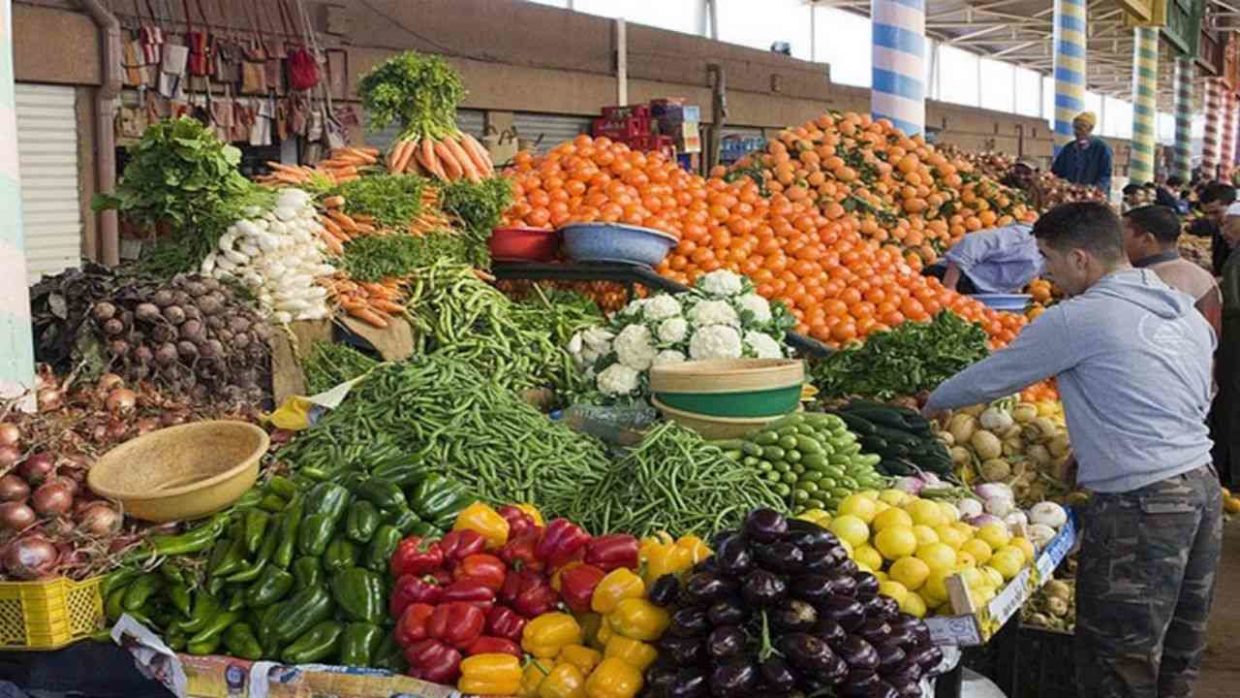
Furthermore, he also recalls that more than 500 markets have been opened with unprecedented price reductions, supervised by the Ministry of Trade, ensuring supply at affordable prices in several regions.
An import program for poultry meat and incentive measures have been implemented to reduce prices and ensure supply during and after Ramadan.
Meat prices have been kept at reasonable levels, with beef at 1200 DA/kg, poultry at 1350 DA/kg, and sheep meat at 1850 DA/kg, compared to previous prices that exceeded 3000 DA/kg for sheep meat.
In conclusion, the standby plan for Eid al-Fitr is comprehensive, with continuous on-the-ground monitoring to ensure supply and the minimum necessary services for citizens.
Read the original article(French) on Algerie 360