Rédaction Africa Links 24 with Dourssaf Cherif
Published on 2024-02-23 18:42:52
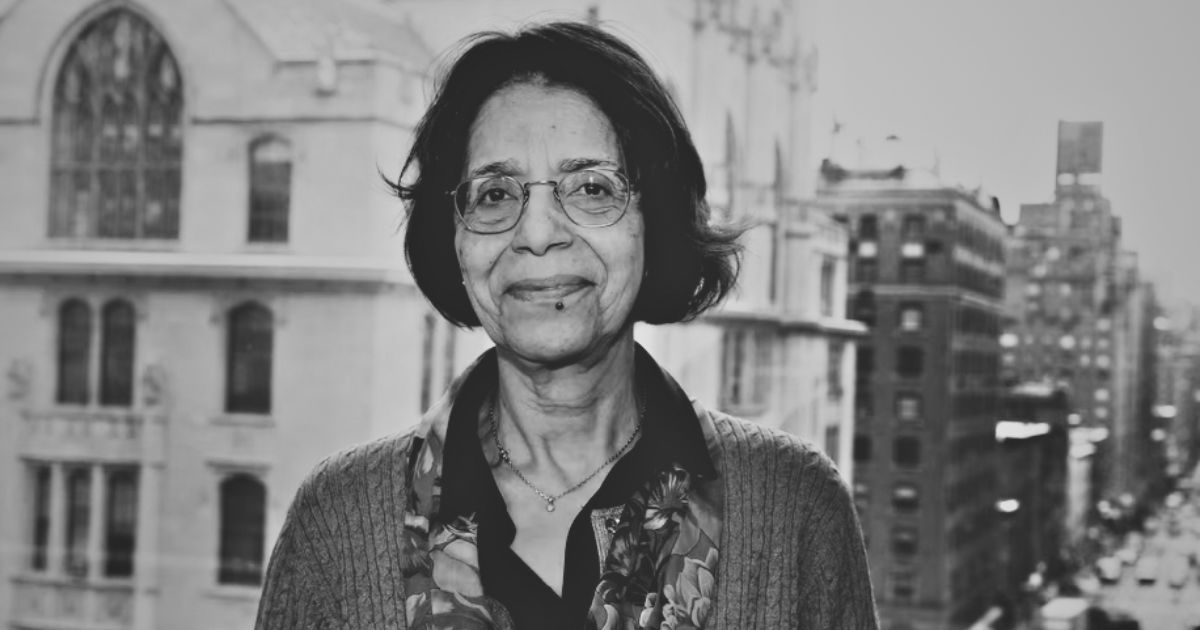
The passing of Marnia Lazreg marks a moment of sadness and reflection for the academic community and the feminist movement. At the age of 83, this renowned researcher has left us, leaving behind a precious legacy that has revolutionized our perspective on the lives of women in the Muslim world.
Her death, which occurred peacefully in her hometown of Algiers, reminds us of the extent of her contribution to research and the indelible impact she has left on the hearts and minds of those who had the privilege of knowing her work and passion.
Born in 1940, Marnia Lazreg dedicated her life to the study of women and their role in Muslim societies. Her work transcended geographical and cultural boundaries, offering valuable insights into the challenges faced by women in various contexts. Lazreg challenged persistent stereotypes about Muslim women.
She demonstrated that they are not simply passive subjects, but essential actors in the construction of their societies. Her research highlighted the struggles for education, political rights, and social justice led by courageous women throughout the Muslim world.
The rich career of Marnia Lazreg and her global influence
Throughout her academic career, Professor Lazreg Marnia addressed various topics. Her work focused on:
Social classes,
Cultural movements,
Colonial history,
and international development.
She also paid particular attention to women’s rights. Her works, translated into several languages, have had a significant impact. She was appointed consultant for the United Nations Development Program and coordinator for the World Bank on gender issues for Europe and Central Asia. Her research has contributed to shaping policies and practices regarding gender equality.
Her influential book, “Women, Gender, and Politics in Muslim Societies,” opened up new perspectives on the interplay between Islam, gender, and modernity. She also explored religious and secular spaces, family law reforms, and feminist activism. “At the heart of the feminist project, both in the East and the West, lies the desire to dismantle the existing order and rebuild it to fit its own needs,” she points out.
Marnia Lazreg leaves behind a lasting legacy. She has inspired generations of researchers and activists, and her influence will be felt for many years to come. Her voice will continue to resonate in classrooms, libraries, and feminist movements around the world.
In this time of mourning, we pay tribute to this great intellectual and her unwavering commitment to equality and justice for all women.
Read the original article(French) on Algerie 360