Rédaction Africa Links 24 with Nour.C
Published on 2024-03-19 23:30:07
The spring season is already knocking on our doors, bringing with it sunny days and rising temperatures. The recent days have seen a significant increase in mercury levels in different regions of the country, indicating a rather hot day this Wednesday.
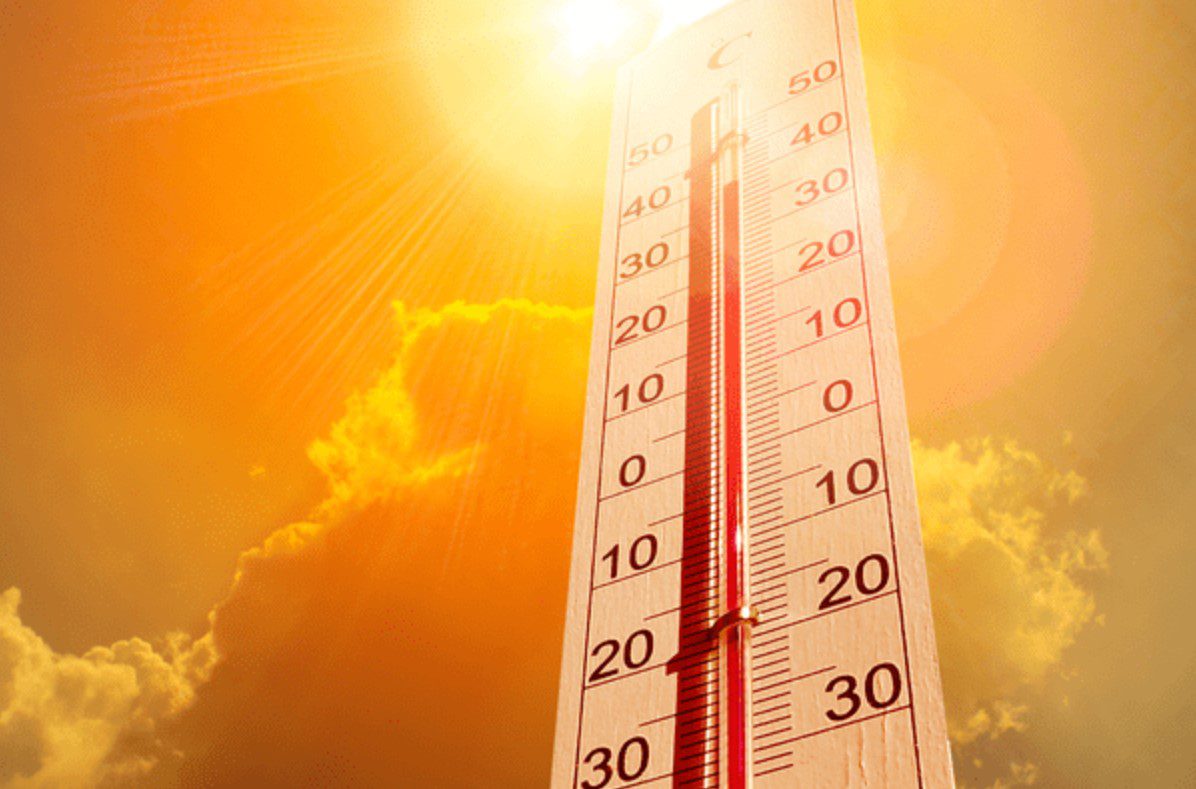
According to the latest forecasts from the National Meteorological Office (ONM), hot weather will be prevalent today, mainly affecting the inland regions of the West, while the coastal and inland regions of the Center will experience relatively hot weather. The weather forecast for this Wednesday, March 20, predicts a clear to partly cloudy sky across the entire national territory, announcing a sunny and bright day.
According to data provided by the Algerian Meteorological Services, maximum temperatures will vary considerably from one region to another. Coastal regions will experience temperatures ranging from 23°C to 30°C. Inland regions, on the other hand, will record even higher temperatures, ranging from 23°C to 33°C, while the Saharan regions will be the hottest, with temperatures ranging from 28°C to 36°C. These forecasts indicate a relatively hot and sunny day across the different regions of the country.
In summary, Algeria is preparing to welcome the spring season with a climate conducive to outdoor activities. The meteorological forecasts indicate a significant increase in temperatures, encouraging residents to take necessary precautions to protect themselves from the heat.
The Center for Astronomy Astrophysics and Geophysics Research (CRAAG) announces the official beginning of spring in the Northern Hemisphere of the Earth. Scheduled for Wednesday, March 20, 2024, at four minutes past four in the morning local time, this event will mark the perfect alignment of the sun’s rays on the equator, thus establishing the vernal equinox. This celestial phenomenon will balance the length of day and night, offering a rare temporal parity.
Spring this year will last for a period of 92 days, 17 hours, and 44 minutes, until June 20, when the next summer solstice is expected. It is a significant period where nature awakens from its winter slumber, offering a renewal of life and colors through floral buds and bird songs.
Meanwhile, in the Southern Hemisphere of the Earth, autumn is taking place, with the arrival of the autumn equinox. This phenomenon is the direct result of the Earth’s tilt at an angle of 23.5 degrees relative to its axis of rotation, a fundamental feature that governs the cycle of seasons on our planet.
It is interesting to note that the planet Mars, Earth’s neighbor in the solar system, also has an inclination of 25.19 degrees relative to its axis. This similarity with Earth results in comparable seasons, although the Martian environment is much more hostile and dry.
These astronomical events remind us of the complexity and beauty of our solar system, while emphasizing the importance of celestial phenomena in our daily lives and our understanding of the universe around us.
Read the original article(French) on Algerie 360