Rédaction Africa Links 24 with wissam.a
Published on 2024-04-06 19:31:33
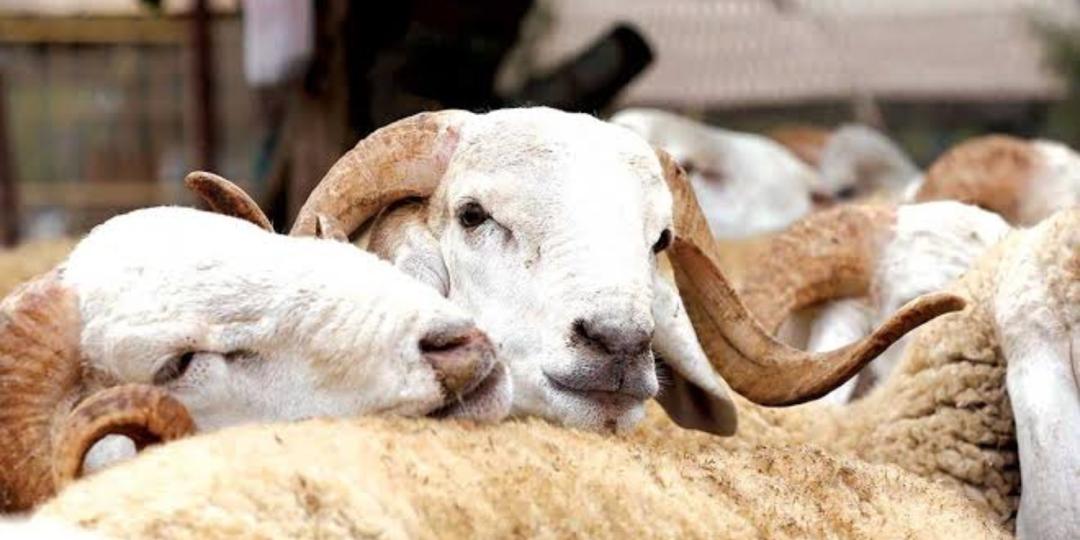
As the Aïd al-Adha approaches, scheduled for June 10th, the Algerian Ministry of Agriculture and Rural Development is mobilizing to anticipate the growing demand for sheep, essential for the celebration of this major religious holiday.
According to sources close to the matter, a study is currently underway to assess the feasibility of importing sheep in order to meet national demand and stabilize prices in the local market.
This initiative comes at a time when Algeria is facing a significant decrease in its sheep population, estimated at 17 million, a situation which, coupled with the constant increase in sheep prices during previous holidays, has led the government to consider alternative solutions.
The successful import of around 30,000 sheep from Romania during the current month of Ramadan has bolstered the authorities’ confidence in this strategy of external supply.
What are the consequences of such an importation?
The announcement of this initiative has been met with interest by civil society, particularly the Algerian Organization for Consumer Protection, which has expressed its support for this measure. On April 3rd, the organization officially called on the ministry to take proactive measures to counter the surge in Aïd sheep prices, which has weighed heavily on the budgets of Algerian families for several years.
In a statement, the organization proposed importing sheep for Aïd 2024 as a viable solution to rebalance the market and make sheep more accessible to citizens. This proposal aligns with the joint efforts already undertaken by the Ministry of Agriculture and the Ministry of Commerce to regulate the market and reduce meat prices during Ramadan.
This import strategy, if implemented, could not only ensure the availability of sheep for Aïd al-Adha but also play a crucial role in stabilizing prices in the local market. However, it also raises questions about the long-term sustainability of this approach and the potential effects on local breeders.
The challenge for the government will be to find a balance between the immediate needs of consumers and support for national agriculture, in order to develop a sustainable solution for the years to come.
Read the original article(French) on Algerie 360