Rédaction Africa Links 24 with Amina Aouadi
Published on 2024-04-15 15:07:38
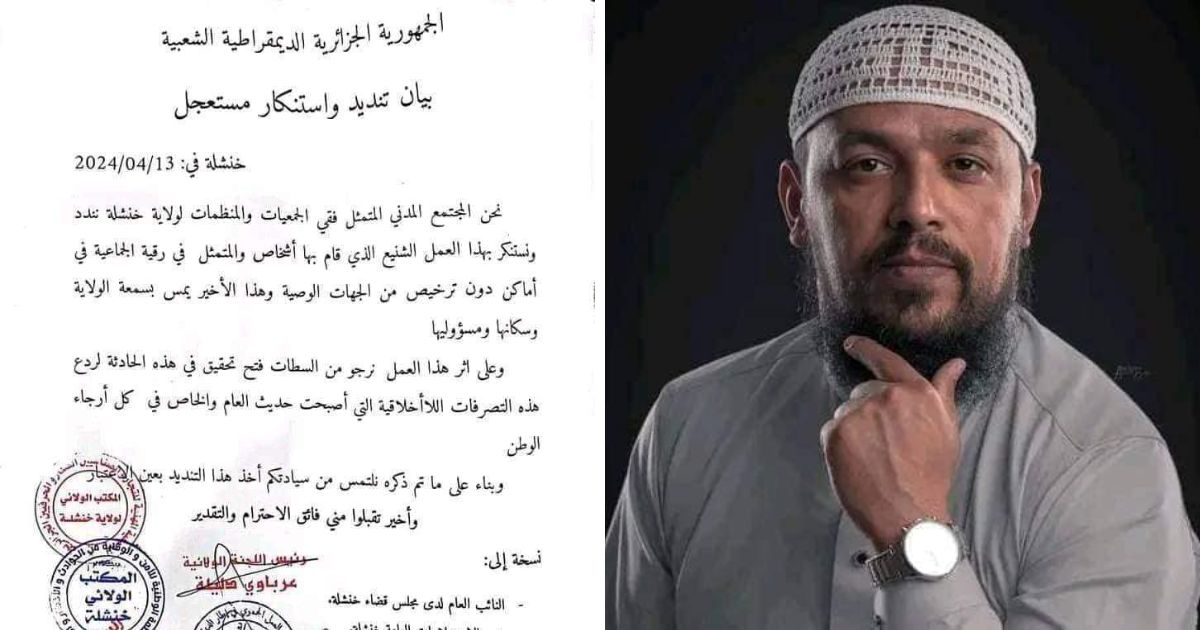
Khenchela, April 15, 2024 – A video showing a massive influx of citizens towards a raqi visiting the wilaya of Khenchela has caused a stir on social networks. The event has taken on such proportions that associations have called for an investigation to be opened.
The event, which took place recently, attracted a large crowd, mainly women. The raqi Nacer, who has gained popularity on TikTok and other social platforms, led the participants in prayers and Quranic recitations. Testimonies report screams and moans coming from the room during the session.
While some have praised the supposed benefits of collective roqya, others have expressed their disapproval of the public and paid nature of the event. Criticisms have been made regarding the commercialization of roqya and the potential exploitation of the vulnerability of the participants.
The surprise of some internet users was fueled by the fact that the raqi diagnosed a majority of the people present as victims of witchcraft.
Some internet users, like this Youtube comment, express their skepticism about the organization of collective and paid roqya sessions. They denounce the commercialization of religious practice and question the sincerity of the organizers’ motivations: “Roqya has become a profession, may Allah protect us. People will not be cured because the word of Allah is not for sale and does not come with sincere intentions.”
Other internet users have highlighted the dangers of the situation, saying, “May Allah forgive us and forgive those who do not enlighten Algerians on religious matters.”
Faced with the extent of the controversy, civil society associations have reacted by calling on judicial and administrative authorities to open an urgent investigation. They denounced this collective practice of roqya, calling it a “charade” and an attack on the image of the wilaya, its inhabitants, and its officials.
Despite the criticisms, some citizens, educated or not, rushed en masse to receive roqya. This situation prompted 11 civil society associations and organizations to demand the intervention of local, judicial, and security authorities to open an investigation and sanction those responsible.
The case highlights dubious practices that exploit psychological vulnerabilities and popular beliefs to the detriment of citizens. It is crucial for competent authorities to take measures to regulate this type of activity and protect the population against abuse and excesses.
Read the original article(French) on Algerie 360