By Africa Links 24
Published on 2024-02-07 04:00:00
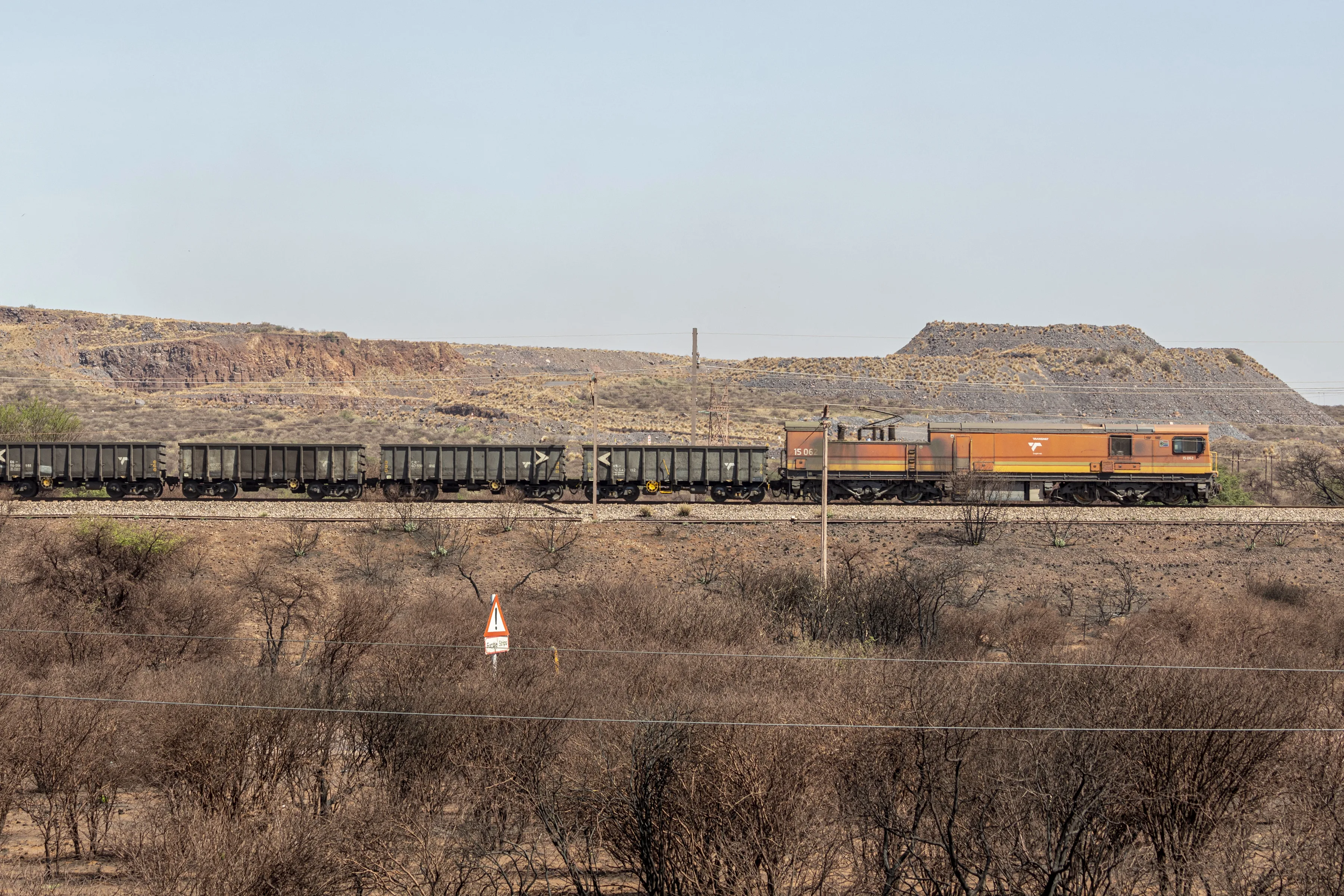
The current state of the African mining industry is presenting an interesting landscape for stakeholders in the sector. Interest in the continent’s critical mineral reserves, such as lithium, copper, cobalt, and nickel, is on the rise due to their importance for the energy transition and the development of new mining opportunities across Africa. However, there are challenges facing the industry, particularly in South Africa, where issues with the Transnet rail network are impacting bulk miners, and delays in new rail projects are hindering the development of new mines in Central Africa.
Looking at the global economic outlook, moderate growth is expected in demand for mining commodities in 2024. However, there is still uncertainty in the Chinese market, despite China’s efforts to encourage infrastructure investment. Mining analysts CRU forecast a decline in the global volume of seaborne thermal coal traded in 2024 due to a shift away from coal-fired power generation, while demand for coking coal is expected to remain steady.
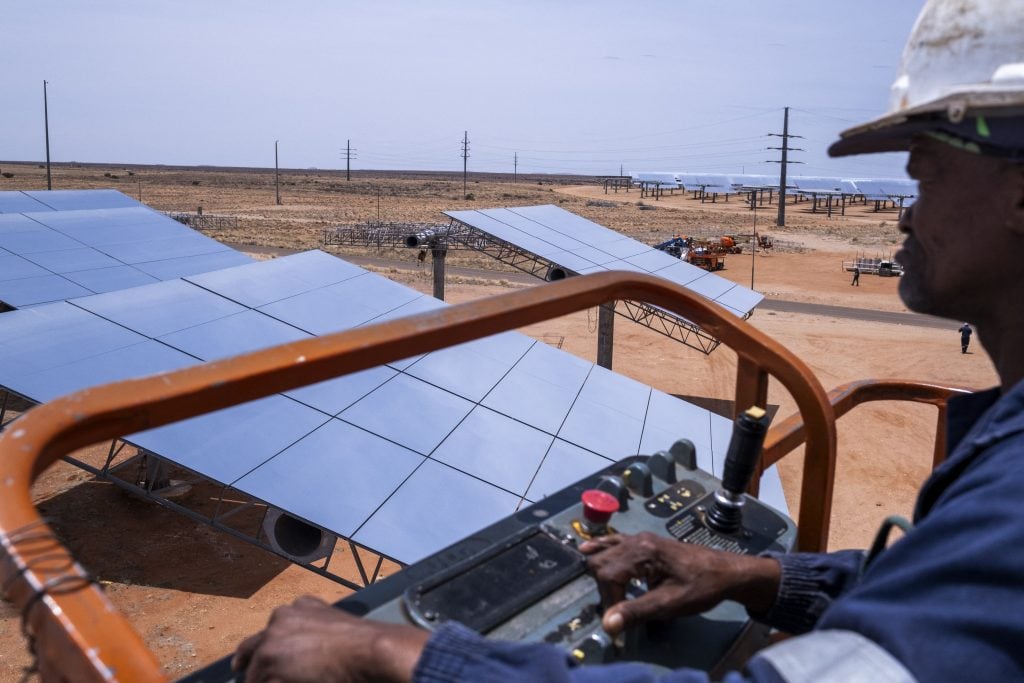
Reining in climate change is a significant global issue, which has implications for African mining. There is a growing interest in critical minerals that are essential for clean energy technologies such as electric vehicles, solar plants, and wind turbines. While Africa has a significant share of these mineral reserves, domestic constraints and governance issues will continue to impact the performance of African mining producers.
One example of this is the Simandou iron ore project in Guinea, which hinges on stable governance. In South Africa, Transnet’s failure to ensure sufficient rail capacity for coal and iron ore export is affecting the industry. Finally, the pressure to address climate change will continue to impact mining activities in Africa.
Despite the challenges, there are positive developments in the sector. The global demand for metals used in electric vehicle manufacturing is driving investment in lithium mines across Africa. This is expected to lead to the development of the African supply chain, particularly in dedicated automotive special economic zones. There are several lithium mines under development in various African countries, and investments from Chinese companies in these projects are also in progress.
The importance of African critical minerals reserves to global supply chains is increasing, attracting interest from established mining players and even prompting diversification from existing mining firms into critical minerals. There are also opportunities for new investments, such as the acquisition of the Khoemacau copper mine in Botswana by a Chinese mining company.
However, the South African bulk mining sector continues to face significant challenges. Issues such as port congestion, rail infrastructure vandalism, and delays in locomotive delivery are impacting the industry’s ability to operate. This has led to reduced coal output and a decrease in Transnet’s revenues, affecting the overall performance of the sector in South Africa.
Despite these challenges, the manganese sector in South Africa is showing positive growth, with a steady increase in production and new investments being made in the sector. The African continent holds a significant share of global manganese reserves, with production expected to grow in West African countries such as Burkina Faso and Togo.
Overall, the African mining industry is facing a mix of challenges and opportunities. While there are issues to address, such as governance, climate change, and domestic constraints, there are also positive developments, particularly in the critical minerals sector and the manganese industry. As the industry moves forward, addressing these challenges and capitalizing on opportunities will be essential for sustainable growth and development in the African mining sector.