By Africa Links 24
Published on 2024-03-19 10:39:09
The impacts of climate change are being felt by businesses across Africa, with 81% of Africa-focused executives reporting that their organizations are already being affected, according to a recent survey conducted by British International Investment (BII). The survey included 70 respondents operating in Africa, as part of a larger sample of executives working across the company’s portfolio of companies and funds in Africa, Asia, and the Caribbean.
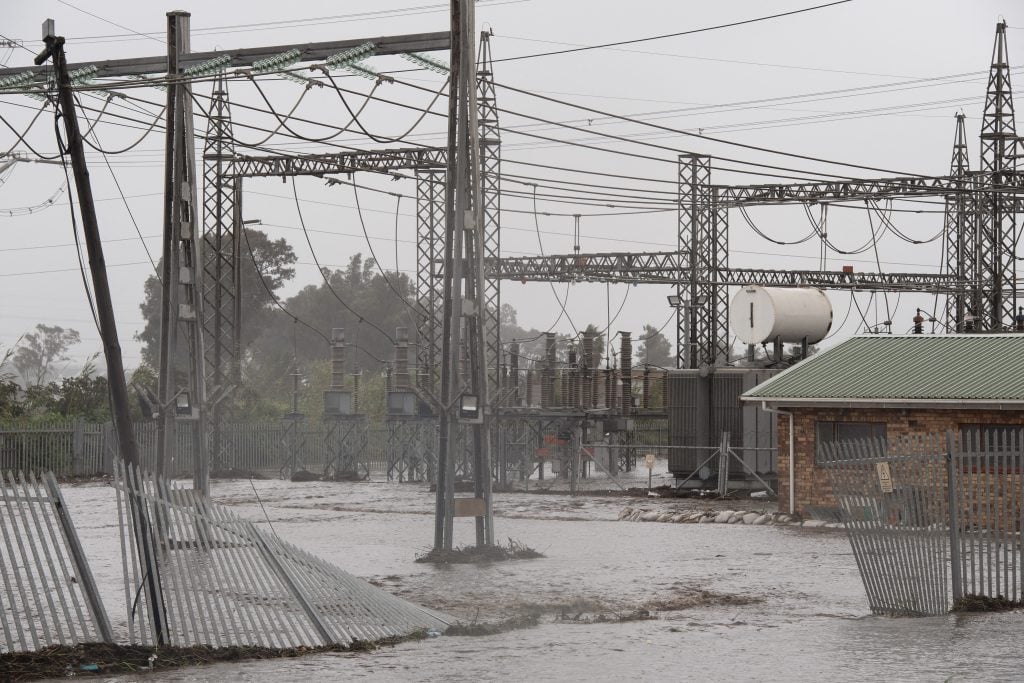
The survey found that executives in Southern Africa (88%), Eastern Africa (87%), Central Africa (85%), Western Africa (81%), and Northern Africa (79%) all confirmed that their enterprises were affected by climate change. The top physical climate risk identified by businesses operating in Africa was drought, followed by flooding and extreme temperatures, both in the present and looking ahead to the future.
Amal-Lee Amin, managing director and head of climate, diversity, and advisory at BII, highlighted the vulnerability of Africa to climate change due to its reliance on natural resources, particularly in the agricultural sector. However, she also noted the entrepreneurial spirit in countries like Kenya and Nigeria that are working to address these challenges and foster innovative solutions.
Globally, 25% of executives said that climate change was affecting their operations, with impacts on investment, supply chains, and the workforce also being reported. The top physical risk within operations was flooding, with significant financial costs reported by those quantifying the impact. Similarly, investments were also impacted by flooding and drought, with costs totaling over $1 million for some respondents.
Looking ahead, the majority of executives agree that climate change will affect the viability and growth of their firms over the next five to ten years. In response, businesses are adapting their strategies and financial planning accordingly. The most common strategic approach includes excluding investments in products and services with a negative environmental impact, followed by offering green or climate-friendly products and services.
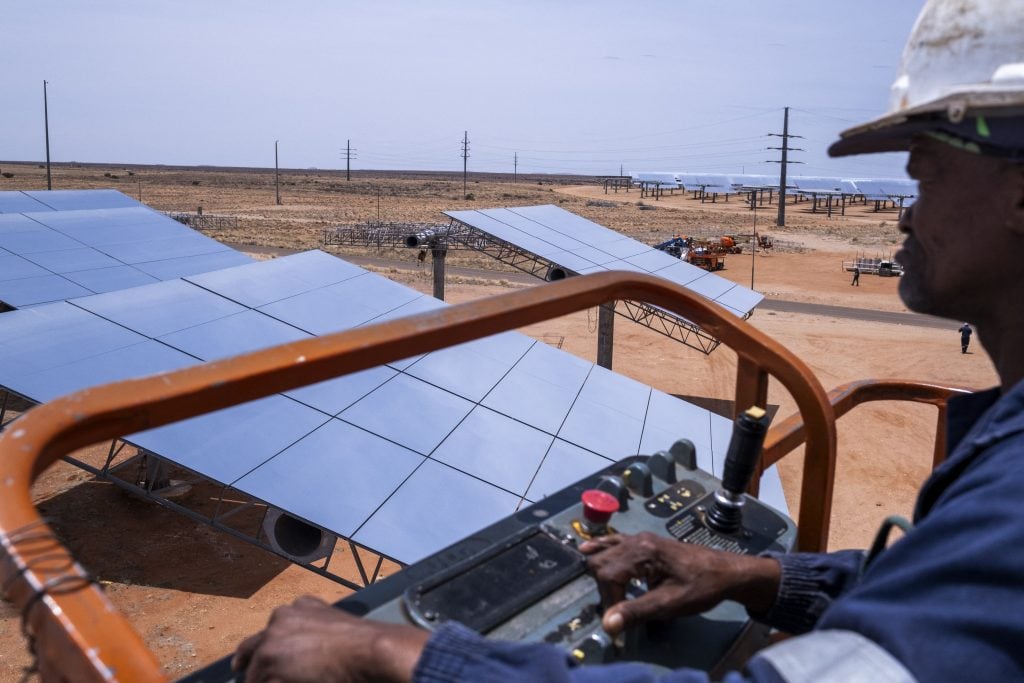
In Africa, fund managers are considering new funds in climate solutions, focusing on renewable investments to improve energy security and reduce carbon emissions across the grid. Additionally, 46% of respondents noted that climate change had affected their access to capital, highlighting the financial implications of climate-related risks.
Overall, the survey underscores the urgent need for businesses to address the impacts of climate change and adapt their strategies to build resilience to these challenges. By fostering innovation and adopting sustainable practices, businesses can not only mitigate the risks associated with climate change but also seize opportunities for growth and development in a changing global landscape.