By Africa Links 24
Published on 2024-03-15 11:29:38
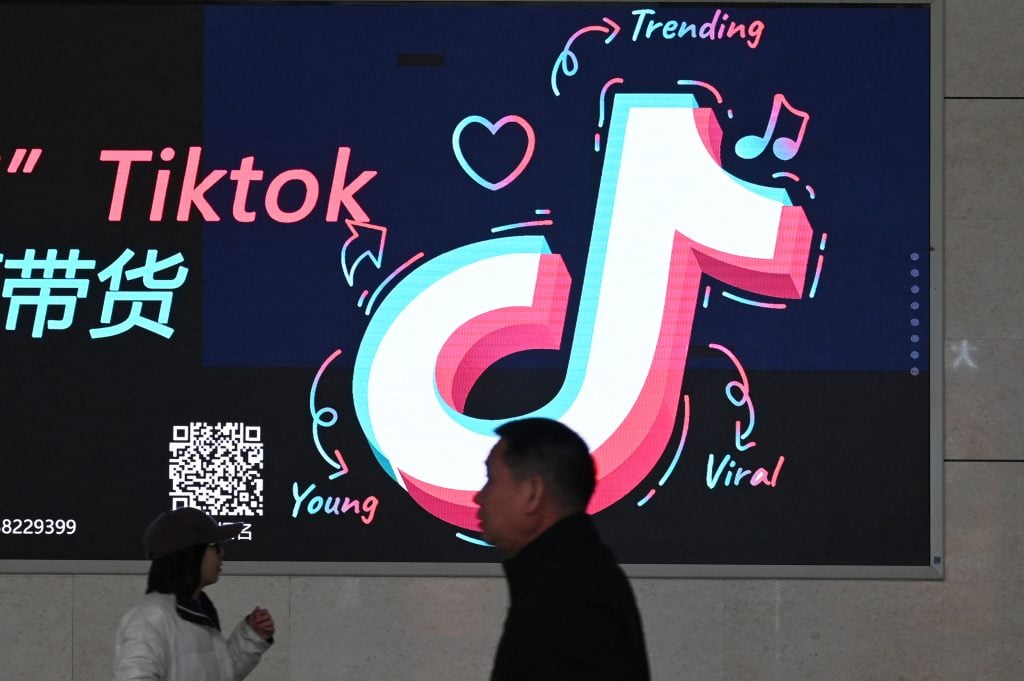
The US House of Representatives recently passed a bill that requires TikTok’s Chinese owner, ByteDance, to sell the social media platform or face a ban in the US. This move is in response to allegations that the company collects sensitive user data and censors content deemed unacceptable by the Chinese Communist Party. While ByteDance has denied these allegations, the bill aims to bar app stores from hosting TikTok unless it is sold to a company not based in China.
If the bill is cleared by the US Senate, it could have significant implications for TikTok’s operations in Africa, where the platform has also faced controversy. Despite growing to become the continent’s second most used platform after Facebook, TikTok has encountered backlash in countries like Kenya, Senegal, Somalia, Egypt, and Uganda. In Kenya, a petition called for a ban on TikTok due to inappropriate content eroding cultural and religious values. While the platform was not banned, it was required to adopt stronger measures to remove offensive content.
In contrast, TikTok has been completely blocked in Senegal and Somalia, with calls for similar actions in Egypt and Uganda. The mistrust of TikTok by African governments stems from concerns about the uncontrolled nature of the platform and its content, rather than national security implications as seen in the US. Critics argue that restrictions on TikTok are politically motivated and infringe on free expression rights.
Rotimi Ogunyemi, a technology lawyer in Lagos, highlights the differences in justification for actions against TikTok in the US and Africa. While the US focuses on national security concerns and free speech protections, African governments often use bans or regulations to control political dissent. Mugambi Laibuta, an advocate of the High Court of Kenya, suggests that the US ban on TikTok could embolden African countries to restrict social media use for political purposes.
There are concerns that following the US example could have negative economic impacts in Africa, where the digital economy is rapidly growing. Young entrepreneurs and content creators rely on platforms like TikTok for business growth and innovation. Banning such platforms without considering the economic implications could stifle innovation and sustainable development across the continent.
In conclusion, the US House of Representatives’ bill targeting TikTok’s Chinese ownership could set a precedent for African countries to impose similar restrictions on social media platforms. The debate surrounding TikTok in Africa highlights the delicate balance between national security concerns, free expression rights, and economic development in the digital age. As policymakers navigate these complex issues, it is essential to consider the diverse perspectives and implications for both users and businesses in the region.